
Why Choosing the Right Wire Size Matters More Than You Think
Electric Service in Knoxville, TN often becomes confusing when homeowners try to determine the correct wire size for their appliances. Using the wrong wire can lead to overheating, frequent breaker trips, or even dangerous electrical fires. Many people assume all wiring is the same, but each appliance has specific requirements based on amperage and load.
That uncertainty can quickly turn into costly repairs or safety risks, especially if your electrical service isn’t properly matched to your home’s needs. The good news is that understanding the basics of wire sizing and working with a qualified electrician can eliminate guesswork. This guide explains exactly what size wire you need, how electrical contractors determine it, and how to keep your home safe and code-compliant.
How Wire Size Is Determined in Residential Electrical Service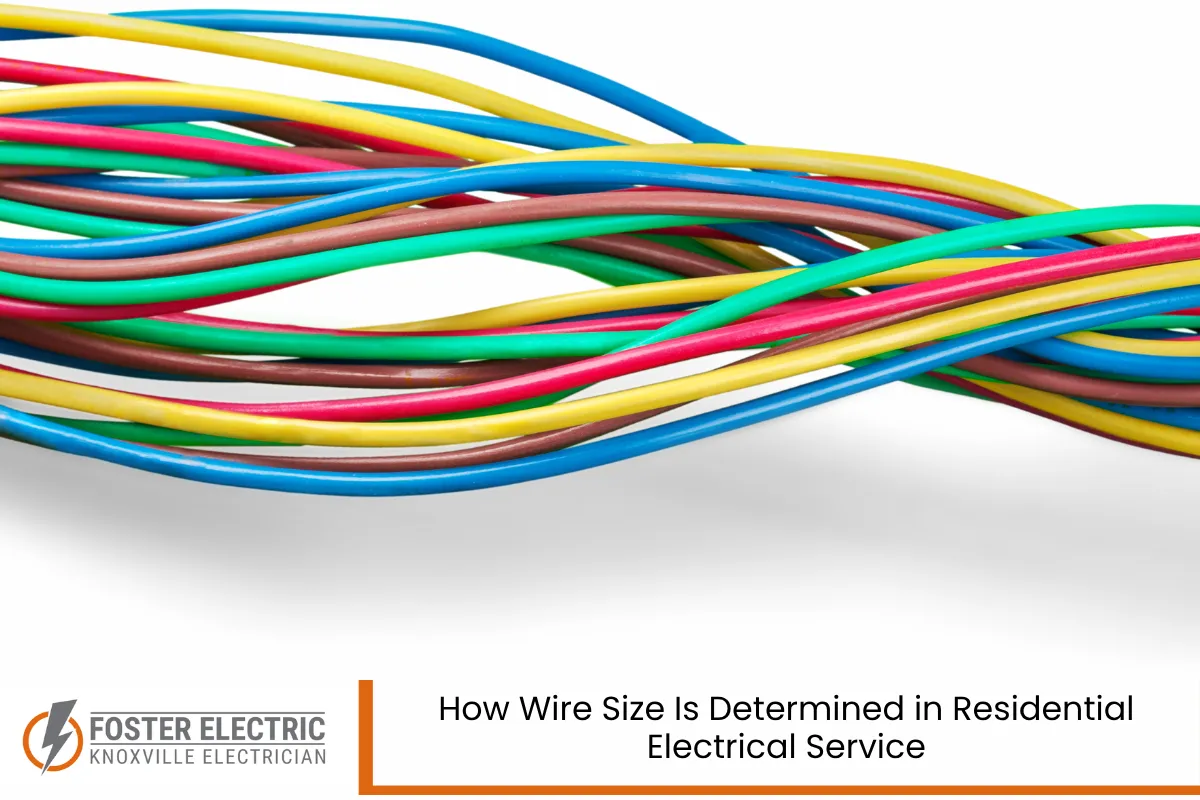
Wire size isn’t chosen randomly. It’s based on electrical load, measured in amps, and must comply with the National Electrical Code (NEC), which is followed in Tennessee.
Key Factors That Influence Wire Size
When planning any electrical service, a licensed electrician evaluates:
- Amperage requirements of the appliance
- Distance from the panel to the appliance
- Voltage (120V vs. 240V)
- Type of circuit (dedicated or shared)
- Environmental conditions (heat, insulation, conduit)
The thicker the wire, the more current it can safely carry. Wire sizes are measured in American Wire Gauge (AWG), where a smaller number means a thicker wire.
Common Wire Sizes and Their Uses
Here’s a simplified breakdown:
- 14 AWG – 15-amp circuits (lighting, small outlets)
- 12 AWG – 20-amp circuits (kitchen outlets, bathrooms)
- 10 AWG – 30-amp circuits (water heaters, dryers)
- 8 AWG – 40-amp circuits (electric ranges)
- 6 AWG – 50-amp circuits (large appliances, EV chargers)
Choosing the correct size is critical for safe electrical service installation.
Appliance-Specific Wire Size Requirements
Different appliances require different wiring setups. Below is a practical guide used by electrical contractors when planning residential systems.
Kitchen Appliances
Kitchens demand higher electrical capacity due to multiple high-powered devices.
Refrigerators
- Typically require 15–20 amps
- Use 14 or 12 AWG wire
Microwave Ovens
- Usually on a dedicated 20-amp circuit
- Require 12 AWG wire
Electric Ranges and Ovens
- Require 40–50 amps
- Use 8 or 6 AWG wire
Laundry Equipment
Washing Machines
- Standard 20-amp circuit
- Use 12 AWG wire
Electric Dryers
- Require 30 amps
- Use 10 AWG wire
HVAC and Large Systems
Heating and cooling systems place heavy demand on your electrical service.
Central Air Conditioners
- Typically 30–60 amps
- Wire size ranges from 10 to 6 AWG
Electric Water Heaters
- Usually 30 amps
- Require 10 AWG wire
Specialty Installations
Electric Vehicle Chargers
- Often require 40–50 amps or more
- Use 6–8 AWG wire
Hot Tubs and Spas
- Typically 50–60 amps
- Require 6 AWG wire
Working with an experienced electrician ensures these systems are installed safely and efficiently.
Read Electric Service in Knoxville, TN: How Do Electricians Ensure Wiring Meets Code?
Why Knoxville Homes Need Code-Compliant Electrical Work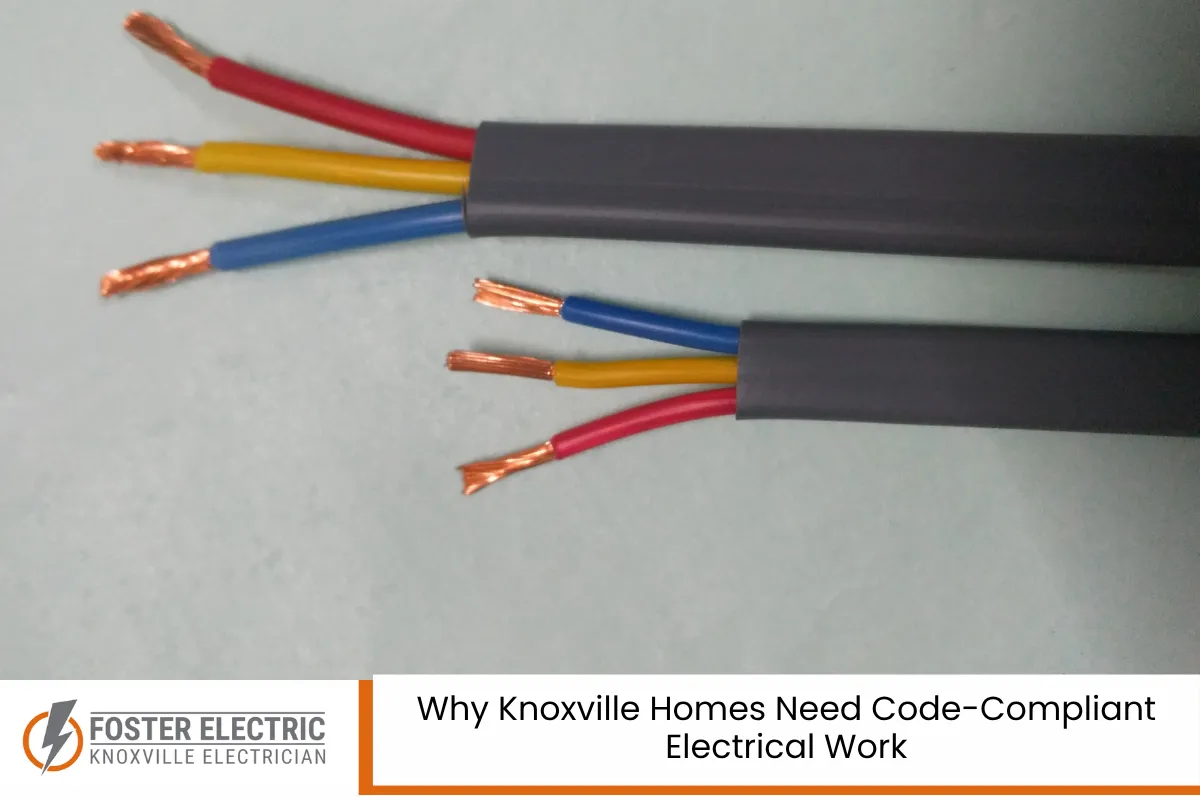
In Knoxville, Tennessee, electrical installations must comply with both the National Electrical Code and local building regulations. Permits and inspections are required for most upgrades involving electrical service.
Local Compliance Requirements
- Electrical work must be performed or inspected by a licensed electrician
- Permits are required for major installations or upgrades
- Circuits must meet NEC standards for load and safety
- Grounding and bonding must be properly installed
Failing to meet these standards can result in fines, failed inspections, or unsafe living conditions.
Signs Your Current Wiring May Be Undersized
Older homes in Knoxville often have outdated wiring that may not support modern appliances.
Warning Signs to Watch For
- Breakers trip frequently
- Lights dim when appliances turn on
- Outlets feel warm or discolored
- Burning smell near panels or outlets
- Extension cords used as permanent solutions
These issues often indicate your electrical service needs an upgrade or your wiring is undersized.
Dedicated Circuits: When They Are Required
Many appliances need their own dedicated circuit to prevent overload.
Appliances That Typically Require Dedicated Circuits
- Refrigerators
- Microwaves
- Electric ranges
- Dishwashers
- HVAC systems
- EV chargers
A qualified electrical contractor will determine when a dedicated circuit is necessary based on load calculations.
How Distance Affects Wire Size
The farther electricity travels, the more voltage drop occurs. This can reduce efficiency and damage appliances.
Voltage Drop Explained
- Long wire runs may require thicker wire
- NEC recommends keeping voltage drop under 3%
- For example, a 30-amp circuit may need 8 AWG instead of 10 AWG if the distance is long
This is why professional planning is essential for large properties or detached structures.
Aluminum vs. Copper Wiring: What You Should Know
Modern electrical service primarily uses copper wiring, but aluminum is still found in some homes.
Copper Wiring Advantages
- Better conductivity
- More durable
- Lower risk of overheating
Aluminum Wiring Considerations
- Less expensive
- Requires special connectors
- More prone to expansion and contraction
If your home has aluminum wiring, a licensed electrician should inspect it to ensure safety.
Upgrading Your Electrical Panel for Modern Appliances
Adding new appliances may require upgrading your panel.
When an Upgrade Is Necessary
- Installing EV chargers
- Adding central air conditioning
- Renovating kitchens or laundry rooms
- Frequent breaker trips
Most modern homes require at least 200-amp electrical service to handle current demands.
DIY vs. Hiring a Professional Electrician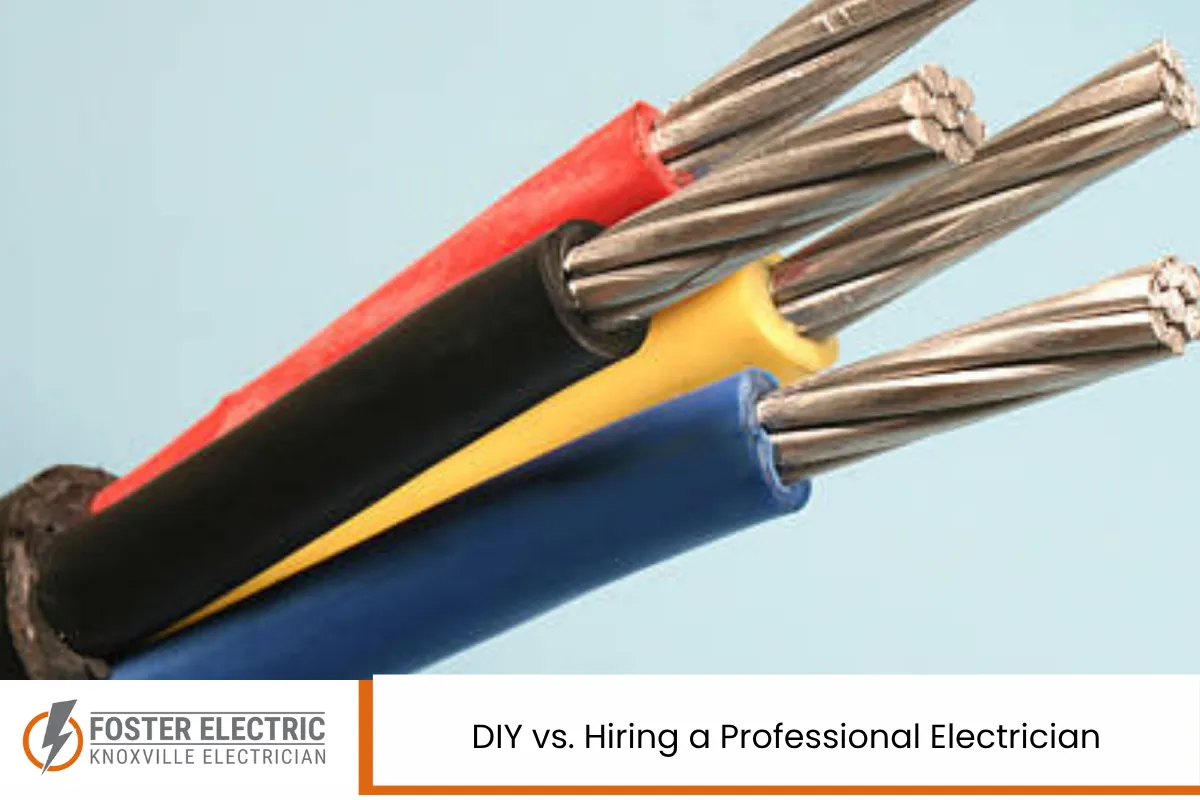
While some homeowners consider DIY wiring, it’s rarely recommended.
Risks of DIY Electrical Work
- Code violations
- Fire hazards
- Insurance issues
- Failed inspections
Hiring a licensed electrical contractor ensures your project meets all safety standards.
How Electrical Contractors Calculate Load Requirements
Professionals use detailed calculations to ensure your system can handle demand.
Load Calculation Factors
- Square footage of the home
- Number of appliances
- HVAC systems
- Lighting load
- Future expansion needs
This ensures your electrical service is both safe and future-ready.
Practical Tips for Homeowners in Knoxville
Before Installing New Appliances
- Check manufacturer specifications
- Verify circuit capacity
- Ensure proper breaker size
During Installation
- Use dedicated circuits where required
- Avoid overloading outlets
- Label circuits clearly
After Installation
- Monitor for unusual behavior
- Schedule inspections if needed
Smart Planning Prevents Costly Electrical Problems
Choosing the correct wire size isn’t just about compliance—it’s about safety, efficiency, and long-term reliability. Whether you’re installing a new appliance or upgrading your entire electrical service, proper planning makes all the difference.
Working with a knowledgeable electrician ensures your home meets Knoxville’s codes and avoids unnecessary risks. Investing in the right wiring today protects your home, appliances, and family for years to come.
Electric Service in Knoxville, TN – Foster Electric
When it comes to reliable electric service, we at Foster Electric take pride in helping homeowners across Knoxville, Tennessee and surrounding areas make safe, informed decisions. Whether you’re installing new appliances or upgrading your electrical service, our team of licensed electricians delivers expert solutions tailored to your home.
We handle everything from wiring upgrades to panel replacements, ensuring every job meets local codes and safety standards. If you’re unsure about wire sizes or circuit requirements, we’re here to help. Call us today at (865) 246-7037 or fill out our contact form to schedule your service. Let us make your home safer, more efficient, and ready for modern electrical demands.
Frequently Asked Questions
What happens if I use a wire that is too small for an appliance?
Using a wire that is too small can cause overheating, which may damage insulation and create a serious fire hazard. The wire may not handle the electrical load, leading to frequent breaker trips or even melting. Over time, this stress can degrade your entire electrical service system. Appliances may also perform poorly or fail prematurely due to insufficient power delivery. This is why proper wire sizing, based on amperage and distance, is essential. A licensed electrician can evaluate your setup and ensure the correct wire size is used to maintain safety and efficiency.
Can I upgrade my electrical service without replacing all wiring?
Yes, in some cases you can upgrade your electrical service panel without replacing all existing wiring. However, it depends on the condition and capacity of your current wiring system. If your home has outdated or undersized wiring, an upgrade may require partial or full rewiring to meet modern safety standards. Electrical contractors will inspect your system, check load requirements, and determine what needs updating. This ensures your new panel can safely distribute power without overloading circuits or creating hazards.
How do I know if my home needs a 200-amp service upgrade?
If your home frequently experiences breaker trips, flickering lights, or you’re adding high-demand appliances, you may need a 200-amp upgrade. Older homes often have 100-amp panels, which may not support modern electrical demands like HVAC systems, EV chargers, and kitchen appliances. A professional electrician can perform a load calculation to determine if your current electrical service is sufficient. Upgrading to 200 amps provides more capacity, improves safety, and prepares your home for future expansions or technology upgrades.
Are permits required for electrical upgrades in Knoxville?
Yes, permits are typically required for most electrical upgrades in Knoxville, Tennessee. This includes panel replacements, new circuits, and major appliance installations. The permitting process ensures all work complies with local codes and the National Electrical Code. Inspections are also required to verify the safety and quality of the installation. Hiring a licensed electrical contractor simplifies this process, as they handle permits, inspections, and ensure everything is completed according to regulations.
How often should electrical systems be inspected?
Electrical systems should be inspected every 3 to 5 years, or sooner if you notice issues like tripping breakers or unusual odors. Homes with older wiring or recent renovations may require more frequent inspections. Regular evaluations help identify potential hazards, ensure code compliance, and maintain the reliability of your electrical service. An electrician can check wiring, panels, grounding, and connections to ensure everything operates safely and efficiently.
Disclaimer: This article is for informational purposes only and does not replace professional electrical advice. Always consult a licensed electrician for installations, upgrades, and code compliance to ensure safety and adherence to Knoxville regulations.
Read Electric Service in Knoxville, TN: How Long Does It Take for an Electrician to Fix Common Issues?