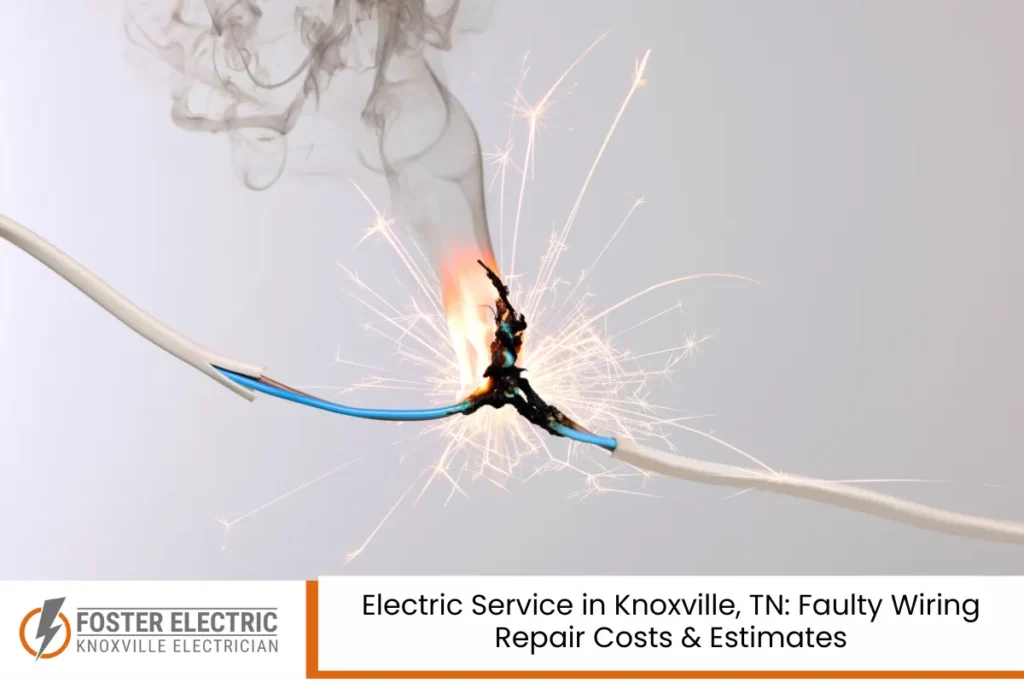

Electric service problems can begin with something as small as a flash when you plug in a lamp, charger, or appliance. Although an occasional tiny spark may result from electricity making contact with a device, repeated, large, noisy, or discolored sparks can signal loose wiring, heat damage, an overloaded circuit, or a failing receptacle. Ignoring those symptoms may expose your Knoxville home to electric shock, damaged electronics, or an electrical fire. The safest response depends on what the spark looks like, when it happens, and whether other warning signs are present. This guide explains why outlets spark, how to distinguish a brief connection spark from a dangerous arc, what to do immediately, and when a qualified electrician should inspect the circuit before you use it again.
Why an Outlet May Spark When You Plug Something In
Electricity begins flowing as soon as a plug’s metal blades approach the energized contacts inside a receptacle. In some situations, the current briefly jumps across the narrowing air gap before the blades make full contact. This can create a tiny blue spark that lasts only a fraction of a second.
A brief connection spark is more likely when the device is already switched on or contains components that draw power immediately. Laptop chargers, televisions, power supplies, vacuum cleaners, and appliances with motors or capacitors may pull an initial surge of current when connected.
That does not mean every spark should be dismissed. The appearance, sound, frequency, location, and surrounding symptoms matter. A harmless-looking flash and a hazardous electrical arc can appear similar to an untrained observer, especially when the event happens quickly.
A professional assessment is appropriate when you cannot confidently determine the cause. An electrician can inspect the receptacle, wiring connections, branch circuit, grounding path, breaker protection, and connected load instead of relying on the visible spark alone.
A Tiny Blue Flash Is Different From Dangerous Arcing
A small spark may be less concerning when it:
- Appears only at the instant the plug enters the receptacle
- Is very small and blue
- Produces no smoke, heat, odor, or buzzing
- Does not occur after the plug is fully inserted
- Happens with a device that begins drawing power immediately
- Leaves no discoloration on the plug or outlet
Even under those circumstances, repeatedly inserting a plug while the appliance is switched on can wear the contact surfaces. Turn the device off before plugging it in whenever the manufacturer’s instructions allow.
Warning signs become more serious when a spark is yellow, orange, white, unusually bright, or accompanied by a snapping sound. Sparking that continues after insertion may indicate unstable contact between the plug blades and receptacle terminals. The resulting electrical arc can generate concentrated heat capable of damaging insulation, melting plastic, and igniting nearby combustible material.
Treat the outlet as unsafe when you notice:
- Repeated or continuous sparking
- Crackling, sizzling, popping, or buzzing
- A hot faceplate or warm plug
- A burning-plastic or hot-insulation smell
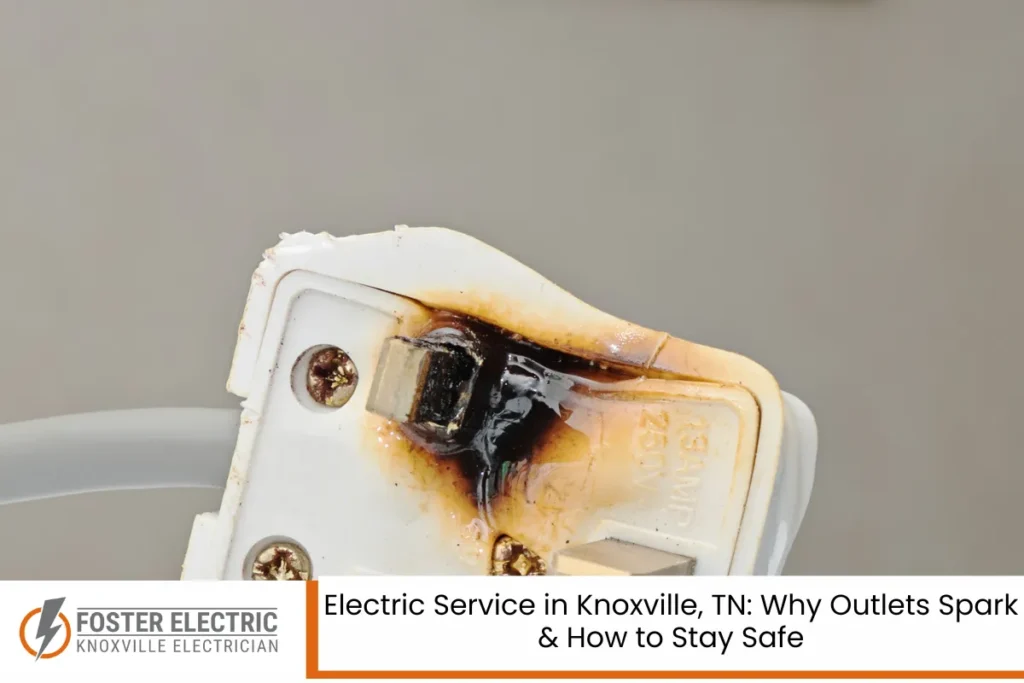
- Black marks, browning, or melted areas
- A plug that fits loosely or falls out
- Flickering lights on the same circuit
- Frequent breaker trips
- A mild shock or tingling sensation
- Smoke coming from the receptacle box
Arcs, unusual sounds, overheating, damaged insulation, and recurring breaker trips are recognized signs of an electrical hazard rather than normal operation. ost Common Reasons Knoxville Outlets Spark
Loose Electrical Connections
A receptacle depends on firm mechanical connections to carry current safely. When a terminal screw, splice, push-in connection, or internal contact becomes loose, electricity may arc across the imperfect connection instead of flowing through a stable conductive path.
Each arc creates heat. Heating and cooling can loosen the connection further, creating a cycle of increasing resistance and deterioration. The outlet may eventually develop scorch marks, brittle insulation, melted components, or intermittent power.
Loose connections can result from age, vibration, improper installation, damaged terminals, or repeated pulling on cords. They may also be hidden behind the outlet, which is why changing the visible receptacle does not always address the entire problem.
Worn Receptacle Contacts
The contacts inside an outlet are designed to grip the plug blades. Years of use can weaken that grip, especially in receptacles used frequently for vacuums, kitchen appliances, chargers, portable heaters, or workshop equipment.
A loose plug creates a smaller and less stable contact area. Resistance increases, heat builds, and arcing may occur when the plug moves. If a plug does not remain firmly seated, stop using that receptacle. Bending the blades, taping the plug in place, or wedging the cord against furniture is not a safe repair.
An Overloaded Branch Circuit
Every branch circuit has a limited capacity. Connecting too many high-demand devices can cause the circuit breaker to trip, but excessive load may also reveal weak connections that heat up before the breaker operates.
Space heaters, hair dryers, countertop cooking equipment, portable air conditioners, and other resistance-heating appliances can draw substantial current. Problems are more likely when several of them share one circuit or when extension cords and plug adapters are used as permanent wiring.
A breaker that trips repeatedly should not simply be reset over and over. It may be responding to an overload, short circuit, ground fault, arc fault, damaged appliance, or wiring defect. Identifying the cause is part of responsible electrical service, not an inconvenience to bypass.
A Short Circuit
A short circuit occurs when current takes an unintended low-resistance path between conductors. This may happen when damaged insulation allows energized wires to touch, a terminal shifts, a cord fails, or conductive material enters electrical equipment.
A short can produce an intense spark and trip the breaker immediately. You may also hear a sharp pop or notice a burned odor. Do not reset the breaker until the connected equipment and circuit have been evaluated, particularly when the event involved smoke, heat, or visible damage.
A Ground Fault
A ground fault occurs when electricity leaves its intended path and travels toward ground, potentially through metal equipment, moisture, or a person. These faults are especially concerning in bathrooms, kitchens, garages, outdoor areas, laundry spaces, basements, and other locations where water or grounded surfaces may be present.
Ground-fault circuit interrupter protection monitors the balance of current traveling through the circuit. When an imbalance indicates leakage, the device is designed to disconnect power quickly. A GFCI receptacle commonly includes TEST and RESET buttons, although protection may also come from a breaker or an upstream device.
A tripped GFCI should not be forced to reset repeatedly. Persistent tripping may indicate moisture, faulty equipment, damaged wiring, or a legitimate ground-fault condition.
Moisture Inside the Receptacle Box
Water and electricity are a dangerous combination. Moisture may enter through a damaged outdoor cover, plumbing leak, condensation, exterior-wall opening, flooding event, or improper weatherproof installation.
Do not touch or unplug equipment from a wet outlet while the circuit may be energized. Avoid standing in water near electrical equipment. Power should be disconnected from a safe location when possible, followed by an inspection to determine whether the receptacle, box, wiring, and protective devices require replacement.
Damaged Plugs, Cords, and Appliances
The outlet is not always the source of the spark. A cracked plug, loose blade, frayed cord, internal appliance fault, or contaminated connector can produce arcing during insertion.
Inspect the device without touching exposed conductors. Look for darkened blades, melted plastic, bent prongs, cuts, crushed insulation, or signs that the cord has been pinched behind furniture. Remove damaged equipment from service rather than transferring it to another receptacle.
Improper Repairs or Aging Wiring
Unapproved modifications, poor splices, incorrectly sized conductors, missing grounding, overcrowded boxes, damaged insulation, and incompatible devices can all contribute to outlet trouble. Older electrical systems may also have been designed for a household load much lower than today’s demand.
Age alone does not prove that wiring is unsafe. Condition, installation method, previous alterations, circuit protection, load, and maintenance history must be considered together. A qualified electrical contractor can assess those factors and recommend targeted corrections instead of assuming the entire system needs replacement.
What to Do Immediately After an Outlet Sparks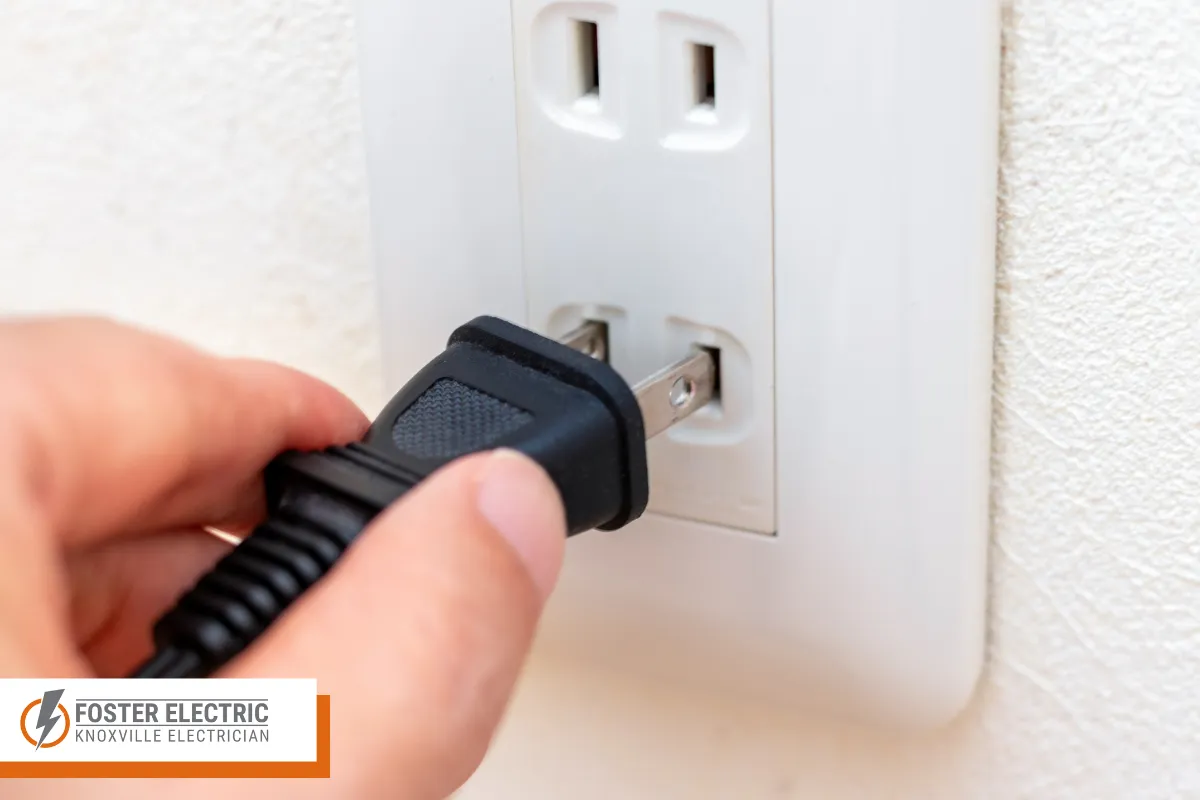
1. Stop Using the Outlet
Do not plug the device back in to see whether the spark happens again. Repeated testing can worsen a loose connection or damaged contact.
When the plug is already inserted and the receptacle is smoking, buzzing, or hot, do not grab it with your bare hand. Move away and disconnect the circuit at the electrical panel only when you can do so safely.
2. Turn Off the Correct Breaker
Switch off the breaker supplying the affected outlet. If the circuit cannot be identified and there is evidence of active burning, heat, or smoke, disconnecting the main power may be appropriate when the panel is accessible and safe to operate.
Never remove the panel cover or touch internal components. The service equipment can contain energized parts even when branch breakers are off.
3. Watch for Fire
Call emergency services when you see flames, continuing smoke, or fire spreading within the wall. Do not throw water on an energized electrical fire. Leave the building when conditions are unsafe and follow instructions from emergency responders.
A properly rated fire extinguisher may be used only when the fire is small, you have a clear exit, you know how to operate the extinguisher, and doing so will not place you at risk.
4. Check for Heat Without Touching Damaged Parts
Look for visible melting, discoloration, smoke, or deformation. Do not place your fingers on a burned outlet to test its temperature. Heat may remain inside the wall even after the exterior begins cooling.
5. Keep Others Away
Prevent children, guests, employees, or pets from approaching the area. A note or piece of furniture placed nearby may provide a temporary reminder, but do not cover a hot outlet with combustible material.
6. Arrange an Inspection
Describe exactly what happened when requesting electrical service. Helpful details include the spark’s color and size, the connected appliance, breaker activity, odors, unusual sounds, visible damage, and whether the problem has occurred before.
Read Electric Service in Knoxville, TN: Single-Room Power Loss Causes & Solutions
When an Outlet Problem Becomes an Emergency
Some symptoms call for immediate action rather than a routine appointment.
Contact emergency responders when there is an active fire, uncontrolled smoke, injury, or a person is receiving an electric shock. Do not touch someone who remains in contact with an energized object. Disconnect power only when it can be done without entering the hazard.
Prompt professional attention is also warranted when:
- The outlet continues sparking after the plug is seated
- The wall or faceplate is hot
- Smoke or a burning smell comes from the box
- The breaker trips as soon as it is reset
- Water has contacted the receptacle
- Multiple outlets lose power unexpectedly
- Sparking follows storm, surge, or physical damage
- You hear crackling inside the wall
- A shock occurs when touching a device or cover plate
A loss of power by itself may be caused by a tripped breaker or upstream GFCI. However, loss of power combined with heat, odor, arcing, or discoloration can point to a failed connection that needs investigation.
Why Replacing the Outlet May Not Solve the Problem
A receptacle is only one component of the circuit. The visible device may be damaged, but the underlying cause could be elsewhere in the electrical system.
An electrician may need to check:
- Terminal and splice integrity
- Wire insulation and conductor condition
- Box fill and physical damage
- Grounding and bonding
- Circuit amperage and receptacle rating
- Breaker performance
- GFCI or AFCI protection
- Voltage stability
- Connected appliance load
- Upstream and downstream outlets
- Evidence of moisture or overheating
For example, a burned receptacle may have resulted from loose conductors behind it. Installing a new device without cutting back damaged wire and correcting the termination can allow the same failure to return.
Likewise, repeated sparking from one appliance may follow the appliance to several locations. Testing the branch circuit and connected equipment helps separate a receptacle defect from a load-related problem.
GFCI and AFCI Protection Address Different Hazards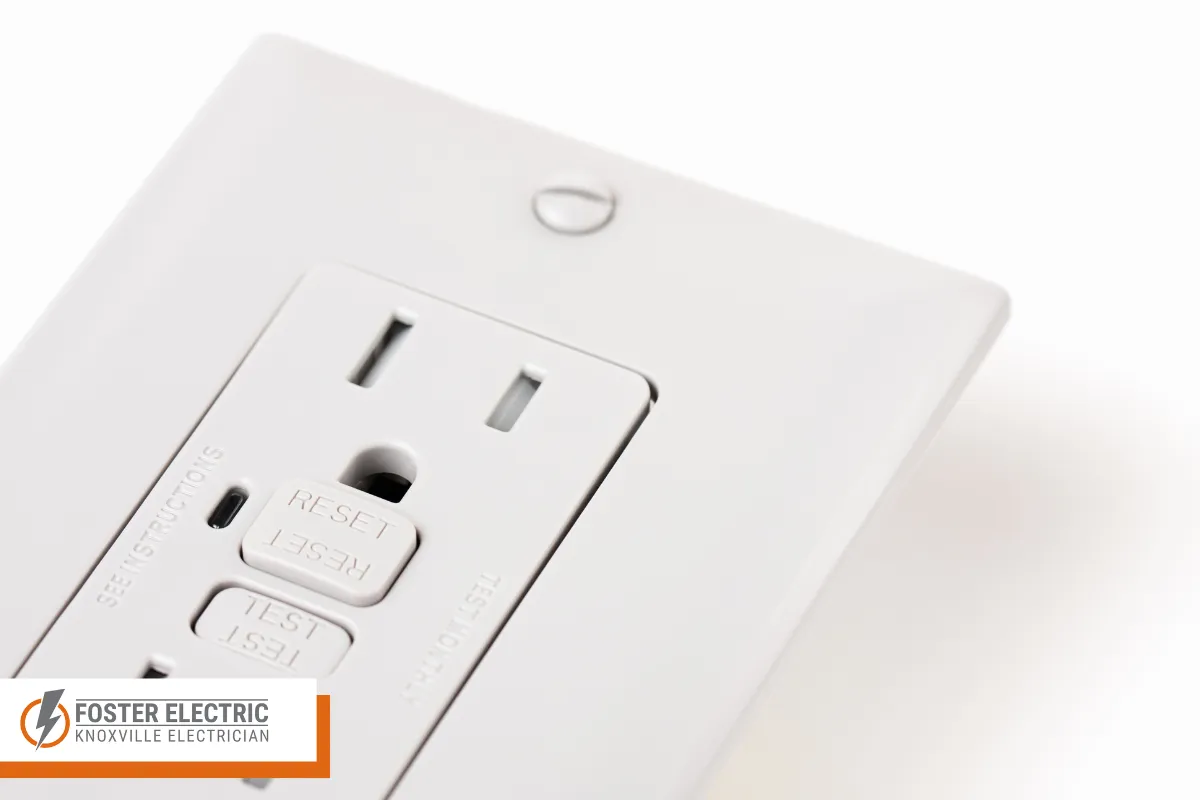
Ground-fault circuit interrupters and arc-fault circuit interrupters are often confused, but they perform different safety functions.
GFCI Protection Helps Reduce Shock Risk
A GFCI monitors current traveling out and returning through the circuit. When enough current escapes the intended path, the device opens the circuit rapidly. This protection is especially important where electricity may interact with water, earth, concrete, plumbing, or grounded surfaces.
Test GFCI devices according to the manufacturer’s instructions. A device that will not test, reset, or remain energized may be defective or responding to a fault.
AFCI Protection Helps Reduce Fire Risk
An AFCI is designed to identify characteristics associated with hazardous electrical arcing and disconnect the circuit. Arc faults may develop from damaged cords, loose terminals, pierced conductors, deteriorated insulation, or compromised wiring.
AFCI protection does not make visible sparks acceptable, and it does not replace proper wiring practices. It provides an additional layer of protection when a dangerous arcing pattern develops.
Knoxville currently identifies the 2023 National Electrical Code with local amendments among its adopted construction standards. Exact requirements can depend on the project scope, circuit, occupancy, equipment, and permit review, so code applicability should be verified for the specific property rather than assumed from a generic checklist. ille Permits, Codes, and Professional Qualifications
The National Electrical Code establishes minimum safety provisions, but it is not intended to serve as a do-it-yourself instruction manual for untrained people. Knoxville adopts electrical requirements and administers local permitting and inspections through its Development Services process. describes a residential electrical permit as applying to home electrical work after the utility connection. It also requires permit applicants to hold the registration or qualifications appropriate for the work, sometimes in conjunction with a Tennessee license. equirements can vary based on whether the job involves repair, replacement, alteration, new wiring, service equipment, remodeling, or a change in use. Before work begins, the property owner and contractor should verify:
- Whether an electrical permit is required
- Who is authorized to obtain it
- Which inspections must occur
- Whether work must remain exposed until inspection
- Which adopted code and local amendments govern the project
- Whether utility coordination is necessary
Knoxville instructs applicants to arrange applicable inspections before newly installed wiring or electrical equipment is covered. Concealing work too early can prevent inspection and create delays or require finished surfaces to be reopened. e contractor licensing requirements also depend on factors such as project value and classification. For work priced at $25,000 or more, the state generally requires the appropriate contractor license before bidding, offering, or negotiating the project. Local registration and licensing rules may still apply to lower-value work, so price should never be treated as the only qualification test. n Electrician Diagnoses a Sparking Receptacle
A professional inspection begins with information gathering. The electrician may ask what was connected, whether the device was switched on, how often the event occurs, and whether the breaker or GFCI operated.
After de-energizing and verifying the circuit, the evaluation may include:
Visual Examination
The receptacle, faceplate, plug, electrical box, and accessible conductors are checked for heat damage, contamination, corrosion, looseness, and improper installation.
Connection Testing
Terminations and splices are evaluated for secure contact. Damaged conductor ends may require correction before a replacement device is installed.
Circuit and Load Assessment
The connected loads are compared with the circuit’s intended use and capacity. Large appliances or heating equipment may need a dedicated circuit rather than continued use through a shared general-purpose receptacle.
Protective Device Review
The breaker, GFCI, AFCI, or dual-function protection may be tested as appropriate. A tripping device is not automatically defective; it may be responding correctly to a hazardous condition.
Grounding and Polarity Checks
The electrician can verify that conductors are connected correctly and that the grounding path is present where required. A plug-in tester may provide preliminary information, but it cannot reveal every wiring defect or replace a complete evaluation.
Repair and Verification
The final repair may involve replacing the receptacle, correcting splices, repairing damaged wiring, addressing moisture, changing circuit protection, or isolating a defective appliance. Power is then restored and the installation is tested under appropriate conditions.
Everyday Habits That Reduce Outlet Damage
Electrical safety does not depend on inspections alone. Daily habits can prevent unnecessary wear and help you identify problems earlier.
- Switch appliances off before plugging them in when practical.
- Grip the plug body instead of pulling on the cord.
- Replace cords with cracks, crushed sections, or loose blades.
- Do not use receptacles that no longer hold plugs securely.
- Keep combustible material away from outlets and power strips.
- Avoid running cords beneath rugs, doors, or heavy furniture.
- Use extension cords temporarily, not as permanent wiring.
- Follow appliance instructions and listed equipment ratings.
- Keep outdoor covers closed and replace damaged weatherproof parts.
- Test GFCI devices as directed by the manufacturer.
- Investigate repeated breaker trips instead of repeatedly resetting them.
- Schedule an inspection when outlets become warm, noisy, or discolored.
Power strips do not increase the capacity of a branch circuit. They merely provide additional connection points. Plugging several high-wattage appliances into one strip may overload the circuit or the strip itself.
Multi-plug adapters can create similar problems, particularly when their weight loosens the receptacle or when large transformers block adjacent openings. Use listed products as intended and discontinue use when the housing, cord, or plug shows damage.
Preventive Electrical Service for Older and Heavily Used Homes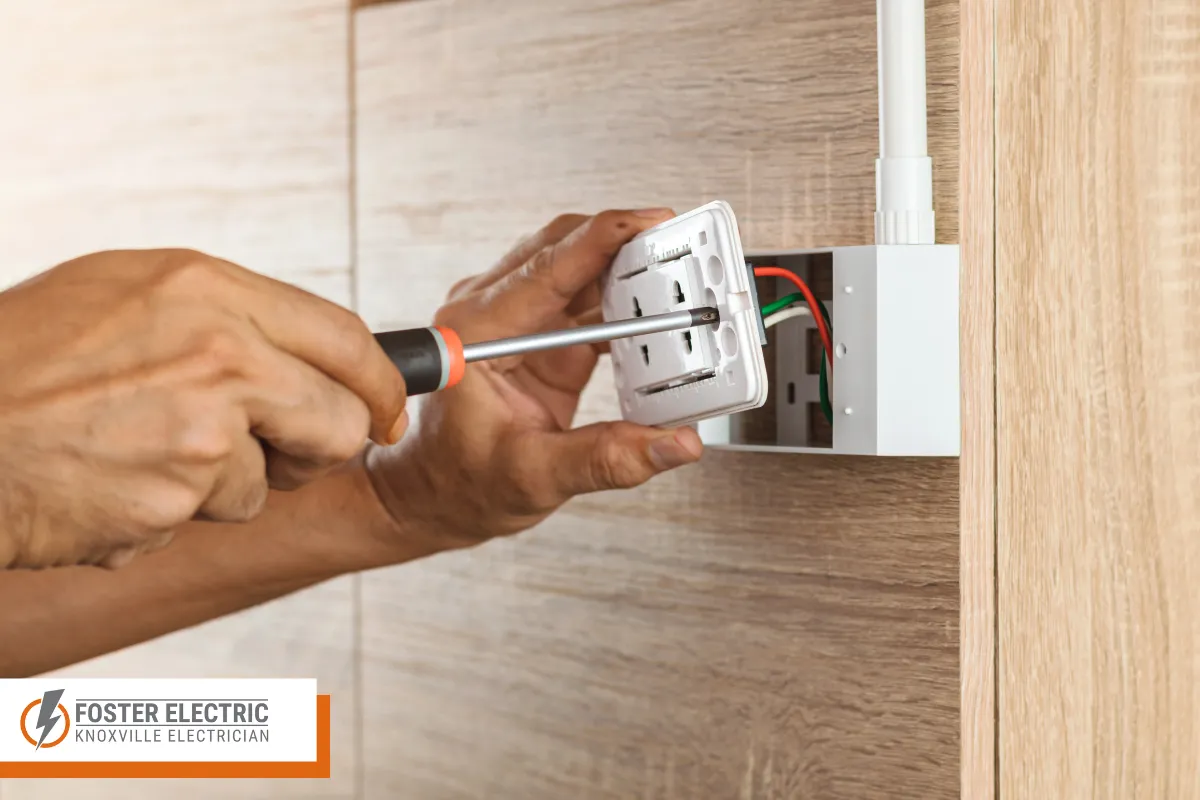
A preventive evaluation can be valuable when a home has recurring electrical symptoms, a history of unpermitted alterations, heavily used receptacles, or increased demand from newer equipment.
Consider arranging an inspection before:
- Renovating a kitchen or bathroom
- Adding workshop equipment
- Installing a large appliance
- Converting rooms to new uses
- Purchasing an older property
- Adding substantial heating or cooling loads
- Replacing major service equipment
- Installing vehicle-charging equipment
- Restoring power after water or fire damage
The purpose is not to replace every older component automatically. It is to identify unsafe conditions, determine whether the existing electrical service supports the planned demand, and create a practical scope of work.
Modern homes often use more electronics and high-demand appliances than the systems in older properties were designed to support. Load calculations, panel condition, circuit availability, grounding, surge protection, and required fault protection may all influence the recommended approach.
Choosing an Electrical Contractor in Knoxville
Outlet repairs may appear small, but the quality of the work depends on correct diagnosis, code-compliant materials, secure connections, and proper testing.
Ask a prospective electrical contractor about:
- Applicable licenses and local registration
- Insurance coverage
- Experience diagnosing receptacle and branch-circuit faults
- Permit responsibility
- Inspection scheduling
- Written scope and pricing
- Warranty terms
- Cleanup and disposal
- How hidden damage or added work will be handled
A reliable contractor should be willing to explain whether the outlet itself failed, why it failed, and what was done to reduce the chance of recurrence. Be cautious of anyone who proposes bypassing safety devices, installing an oversized breaker, or concealing work before a required inspection.
A Small Spark Can Be a Valuable Warning
A momentary blue flash does not always mean the outlet is failing, but repeated, bright, noisy, hot, or smoky sparking should never be treated as routine. The condition may involve worn contacts, loose wiring, overloading, moisture, damaged equipment, a short circuit, or a ground fault.
Stop using a questionable receptacle, disconnect the circuit when it is safe, and keep people away from the area. Active fire, continuing smoke, or electric shock requires an emergency response. Other warning signs deserve timely evaluation before power is restored.
Professional electrical service looks beyond the face of the outlet. By checking the circuit, connections, protective devices, load, grounding, and surrounding equipment, a qualified professional can identify the actual cause and make a repair that supports safer, more reliable use.
Electric Service in Knoxville, TN – Foster Electric
At Foster Electric, we help homeowners and businesses respond safely to sparking outlets, loose connections, overheated receptacles, breaker problems, and other warning signs. Our team provides dependable electric service in Knoxville, Tennessee, and prominent surrounding areas, with careful troubleshooting focused on finding the source of the problem—not merely covering the symptom. We inspect affected circuits, explain our findings clearly, and recommend practical repairs based on the condition of your electrical system. Whether you have noticed a brief flash, burning odor, warm faceplate, repeated trip, or complete loss of power, prompt attention can help prevent further damage. Call Foster Electric at (865) 246-7037 or fill out our contact form to schedule professional service and restore confidence in your property’s electrical safety.
Frequently Asked Questions
Can a receptacle spark because the plug blades are dirty or corroded?
Yes. Dirt, oxidation, grease, and corrosion can interfere with the contact between a plug blade and the metal components inside a receptacle. Poor contact increases resistance and may produce heat or arcing, especially when the device draws significant current. Do not scrape, sand, or chemically clean an energized plug or outlet. Disconnect the appliance and inspect its plug for pitting, discoloration, or damaged plating. A compromised plug may require manufacturer-approved replacement or appliance repair. If the receptacle also shows staining, looseness, heat damage, or repeated sparking with other devices, leave the circuit off and arrange a professional inspection before using it again.
Why does only one half of my outlet work?
Some duplex receptacles are intentionally split so one half is controlled by a wall switch while the other remains continuously energized. However, a failed internal connection, damaged tab, loose conductor, poor splice, or upstream wiring problem can also cause one half to stop working. Test the nearby wall switches before assuming the device has failed. Do not open the outlet box or move conductors while it is energized. If the loss of power appeared suddenly, followed a spark, or is accompanied by heat, buzzing, discoloration, or a burning smell, turn off the breaker. An electrician can determine whether the configuration is intentional or defective.
Can a surge protector stop an outlet from sparking?
A surge protector is intended to limit certain transient voltage events; it is not designed to repair a loose connection, worn receptacle, damaged cord, moisture problem, or short circuit. Plugging a surge protector into a defective outlet may add another connection point without removing the hazard. Some strips also include overload protection, but that feature does not correct arcing behind the wall. If an outlet is sparking, hot, discolored, noisy, or unable to hold a plug securely, stop using it. Have the receptacle and circuit evaluated first. Surge protection can be discussed afterward as part of a broader strategy for sensitive electronics and appliances.
Why does an outlet spark after a power outage?
After power is restored, refrigerators, HVAC equipment, chargers, electronics, and other devices may attempt to restart at nearly the same time. That sudden demand can reveal weak receptacle contacts, loose terminations, damaged power strips, or appliance faults. A small flash while reconnecting a switched-on device can result from inrush current, but sparking from an already connected outlet is not something to ignore. Turn off or unplug affected equipment only when doing so is safe, and watch for heat, odor, buzzing, or breaker trips. If the outlet itself sparked during restoration, keep the circuit off and request an inspection before reconnecting the load.
Should unused outlets be covered even when there are no children in the home?
Unused receptacles generally do not need removable plastic caps solely because they are vacant, but damaged, loose, outdoor, dusty, or exposed outlets may require appropriate protection. Tamper-resistant receptacles contain internal shutters and provide a more integrated safeguard against objects being inserted into the slots. Outdoor and damp-location installations may need suitable covers and weather-resistant components based on their placement and applicable code. Removable caps can become loose, break, or be misplaced, and they do not correct wiring defects. If an unused outlet has cracks, missing pieces, discoloration, moisture exposure, or a loose faceplate, have it repaired rather than simply covering the openings.
Disclaimer: This article provides general safety information, not instructions for electrical repair. Turn off unsafe circuits when possible and consult a properly qualified Knoxville professional regarding diagnosis, permits, code requirements, and corrective work.
Read Electric Service in Knoxville, TN: How to Fix a Dead Outlet