
Extension Cords and a Surprising Safety Risk
Electric service in Knoxville, TN keeps homes running smoothly, but one overlooked hazard lurks in nearly every garage, workshop, and living room: the damaged extension cord. You notice a frayed section, maybe some exposed copper, and think a quick wrap of electrical tape will solve the problem. But here’s the reality. That temporary fix could start a fire or deliver a serious shock. Can an electrician actually repair that cord, or does it need to go straight to the trash?
The answer depends on several factors, including the type of damage, the cord’s gauge and rating, and what Tennessee codes allow. This article covers what damage is repairable, what must be discarded immediately, typical repair methods, when to call an electrical contractor, and how a local electrical service company can help you avoid risky workarounds.
Key Takeaways
- Minor damage on heavy-duty cords may sometimes be repairable by a licensed electrician, but many household cords are safer and cheaper to replace outright.
- Knoxville TN electricians must follow the National Electrical Code and Tennessee regulations, which limit where and how cords can be repaired.
- DIY cord repair with tape, glue, or makeshift splices is unsafe and can void warranties, cause fires, or create shock hazards.
- Extension cords are considered temporary, consumer-grade products, and professionals generally do not repair them, focusing instead on permanent solutions.
- Foster Electric can inspect questionable extension cords, advise on replacement, and recommend safer permanent wiring or outlets when cords are overused.
How Knoxville Electricians View Extension Cords and Code Requirements
Extension cords fall under flexible cord classification in the National Electrical Code Article 400. They are explicitly considered temporary wiring methods, not substitutes for fixed wiring or permanent installations. Licensed electricians in Knoxville follow the NEC along with Tennessee and local requirements to ensure that electrical repairs, upgrades, and installations are completed safely and correctly.
Tennessee adopted the 2023 NEC effective January 1, 2024, enforced locally through Knoxville’s Development Services and permit processes. This means electrical work must meet current standards. Cords used in workplaces or commercial spaces may also fall under OSHA guidance, which adds another layer of compliance requirements.
When an electrician evaluates a cord, they examine more than just the visible damage. They assess the entire setup: load requirements, circuit size, GFCI protection, and environment. Damp locations, outdoor use, and high-amperage appliances all factor into their recommendations. Repeated reliance on multiple extension cords or power strips often signals that more outlets, dedicated circuits, or other permanent electrical panel upgrades are needed.
Common Types of Extension Cord Damage Knoxville Homeowners Encounter
Not all damage is equal. The type and severity largely determine whether an electrician can safely repair the cord or whether it must be replaced.
Typical damage types include:
- Cuts or nicks in the outer jacket
- Exposed copper conductors
- Crushed or pinched sections with internal strand breakage
- Melted insulation from space heaters or overloaded circuits
- Loose, cracked, or corroded plugs
- Damaged receptacle ends
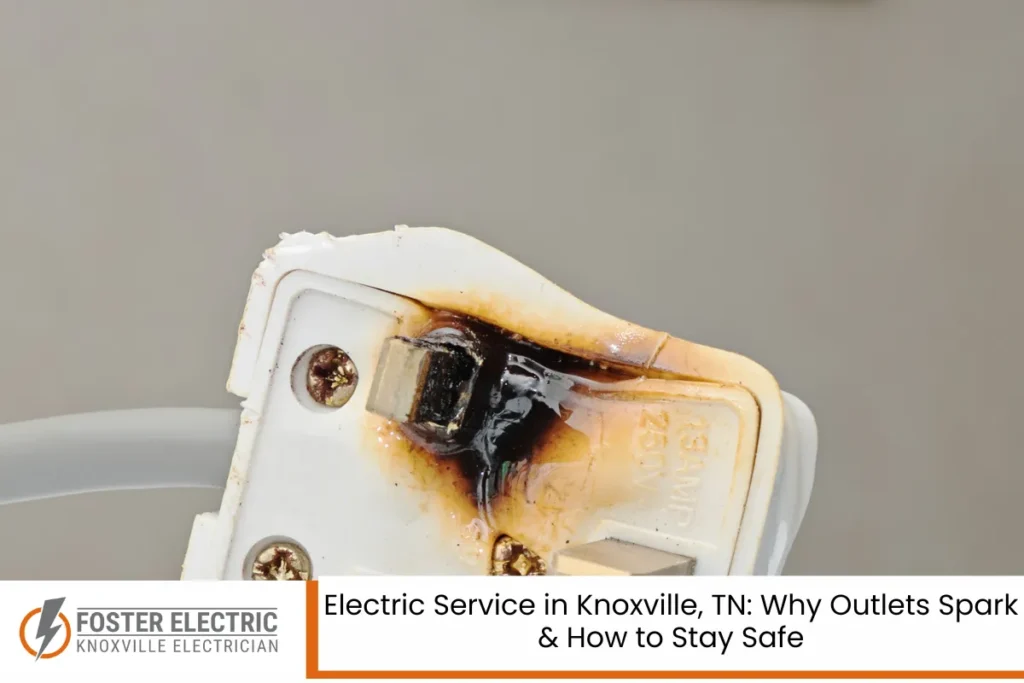
Visible copper, burn marks, or melting usually mean the cord should be replaced immediately. If a cord feels excessively warm to the touch or has a crushed core, it must be destroyed as it cannot be safely salvaged. These conditions indicate thermal runaway or resistance spikes that create serious fire risks.
Knoxville’s humid subtropical climate accelerates jacket degradation on cords not rated for outdoor use. UV exposure can crack PVC insulation within one to two years. Corrosion pits brass plugs, reducing contact area and creating arcing hazards. Lawn mower cords abraded by blades, holiday lighting cords pinched under furniture, and workshop extension cords stressed by power tool surges represent common scenarios where damage occurs.
Can an Electrician Repair Damaged Extension Cords in Knoxville, TN?
A licensed electrician can repair damaged extension cords if the damage allows for a safe, code-compliant fix. However, repairing is often only cost-effective for heavy-duty, long, or expensive cords. Many household cords are safer and more economical to replace.
Before any repair, electricians in Knoxville TN inspect the entire cord for hidden damage, verify length and wire gauge, and confirm the rating matches the intended use. Cords used with space heaters, power tools, or large appliances experience higher stress, making repair less advisable when damage is significant.
Electricians typically will not repair cheap, light-duty household cords. Once damaged, the UL listing is compromised, and overall reliability drops. When professional repair is appropriate, it usually involves replacing cord caps or receptacle ends with properly rated, listed devices rather than patching insulation.
Situations Where Professional Cord Repair May Be Appropriate
Some commercial-grade cords and industrial applications justify repair over replacement. Qualified electricians can replace broken male plugs or female receptacles as part of the repair process for damaged cords.
Scenarios where repair makes sense:
- Heavy-gauge outdoor cords used for landscaping equipment or construction
- Contractor-grade cords on job sites where replacement costs are high
- Temporary event staging with expensive 50-amp cam connections
- Deep cuts near the ends of long cords can be safely repaired by cutting away the damaged section and installing a new plug
An electrical contractor may cut back the damaged section and install new, listed connectors that maintain proper grounding and strain relief. Cords used in damp or outdoor environments may require specific weather-resistant or locking caps. All repairs must maintain or improve safety and labeling. Improvised or unlisted parts are never acceptable.
When a Licensed Electrician Will Recommend Replacement Instead
In many cases, replacement is the only safe and code-respectful option.
Key red flags that require cord replacement:
- Multiple damaged spots along the cord length
- Melted or charred insulation indicating thermal stress
- Broken ground pin or missing grounding conductor
- Undersized cords used on high-load appliances
- No clear gauge markings or rating labels
- Cords without polarized or grounded plugs
Older cords may not meet modern safety expectations. Certain damaged extension cords must be discarded immediately to prevent electrical fires and shock hazards, according to local professionals and federal safety codes. Especially in homes with children or pets, it is often safer and cheaper long-term to buy a new cord than to risk a questionable repair.
Why DIY Tape-and-Glue Cord “Fixes” Are Dangerous
The common DIY fix involves wrapping exposed wires in electrical tape and tucking the cord behind furniture. This approach fails on multiple levels.
Using electrical tape to patch up exposed copper or sliced internal conductor insulation is a fire hazard and violates safety codes. Tape does not restore mechanical strength, proper insulation thickness, or strain relief. These properties are critical to preventing arcing and overheating. OSHA prohibits splicing or taping back together severed standard extension cords smaller than No. 12 AWG.
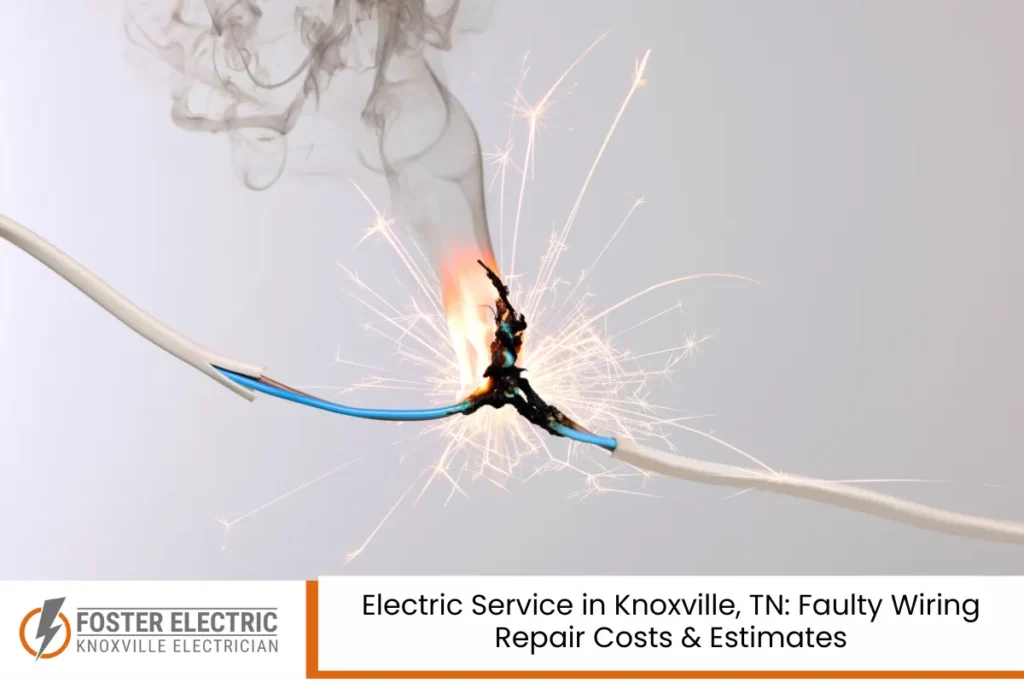
Twisting wires together or using wire nuts in the middle of a flexible cord is unsafe. These connections loosen over time due to flex fatigue and vibration, creating resistance that generates heat. The risks include electrical shock, tripping breakers, melted outlets, and fire. Arcing faults from poor splices can generate temperatures exceeding 35,000°F, easily igniting nearby combustibles.
If your current electrical system lacks modern AFCI or GFCI protection, these risks multiply. Unplug and retire any cord covered with makeshift repairs. Consult a local electrician for safer options if cords are heavily relied upon in your daily life.
Safer Alternatives: Permanent Wiring vs. Long-Term Extension Cord Use
Long-term extension cord use often indicates insufficient permanent wiring and outlet placement. A Knoxville electrician can add properly placed receptacles, dedicated appliance circuits, or additional general-purpose circuits that remove the need for long cords running across floors.
Electrical contractors can perform electrical panel upgrades, add circuits with GFCI or AFCI protection, or install outdoor receptacles to support landscaping tools or outdoor living spaces. Homes and commercial buildings benefit from built-in safeguards that help reduce the risk of electrical shock and fire, such as GFCI and AFCI outlets and breakers.
Upgrading an electrical panel is essential for accommodating the increased power demands of modern appliances and technology. A modern electrical panel can improve safety by reducing the risk of electrical fires and ensuring compliance with current electrical codes. Electrical panel upgrades are often necessary for homes built before 1980, as older panels may not support the electrical load required by contemporary devices.
The installation of EV chargers requires compliance with the NEC and local regulations to ensure safety and functionality. Homeowners and businesses often need to upgrade their electrical systems to support the installation of EV chargers, which may involve panel upgrades or additional wiring. EV charger installations can vary in complexity, depending on the type of charger and the existing electrical infrastructure of the property.
Permanent wiring reduces voltage drop, tripping hazards, and overheating that occur when extension cords are overloaded or coiled under rugs and furniture. Consider the cost comparison: multiple heavy-duty cords replaced over time versus a one-time investment in permanent wiring through a professional electrical service call.
Proper lighting can transform a home, making it more functional and inviting. Lighting installations can include various types such as recessed lighting, under-cabinet LEDs, and landscape lighting, each serving different aesthetic and functional purposes. Good lighting design improves safety, aesthetics, and energy efficiency in residential and commercial spaces.
Choosing the Right Extension Cord When You Truly Need One
Some situations legitimately call for extension cords, but they must be chosen and used correctly.
Cord selection basics:
| Wire Gauge (AWG) | Maximum Amperage | Best Use |
| 16 AWG | 13A | Light-duty, lamps |
| 14 AWG | 15A | Medium tools, small appliances |
| 12 AWG | 20A | Power tools, shop equipment |
| 10 AWG | 30A | Heavy equipment, long runs |
Shorter, thicker cords handle more current with less voltage drop. Indoor and outdoor ratings matter. Grounded cords with three-prong plugs are essential for any device that requires grounding. Avoid multi-outlet cords for space heaters, window air conditioners, or large appliances.
A local electrician can help homeowners understand labeling, amp ratings, and safe combinations with existing circuits to address their electrical needs effectively.
How Knoxville Codes, Permits, and Licensing Affect Cord-Related Work
Any permanent wiring changes in Knoxville typically require work by a licensed electrician and, in some cases, permits and inspections. While simple cord replacement usually does not require a permit, installing new outlets, circuits, or subpanels does and must follow adopted NEC editions.
Tennessee licensing ensures electricians have training in load calculations, grounding, bonding, and overcurrent protection. These skills influence decisions about cord use and alternatives. Minor outer jacket tears may allow an electrician to determine if the cord is safe to continue using, provided the insulated interior conductor wires are untouched.
Employers and property managers in Knoxville are expected to maintain safe extension cords, replace compromised ones, and may face liability for preventable hazards. Keeping records of permits and inspections helps streamline future maintenance and ensures ongoing code compliance. Hiring a licensed electrical contractor protects you from code violations, failed inspections, and safety issues related to makeshift power solutions.
Read Electric Service in Knoxville, TN: How Do Electricians Find Short Circuits?
Practical Steps Knoxville Residents Should Take if a Cord Is Damaged
Follow this actionable checklist when you discover cord damage:
- Unplug immediately – Do not touch bare conductors or attempt to use the cord
- Inspect the full length – Look for additional damage beyond the obvious problem
- Separate damaged cords – Label or bag them so they cannot be accidentally plugged in again
- Document problem areas – Take photos of setups where cords are frequently damaged
- Consult an electrician – Share documentation to plan better power distribution
Regular electrical safety inspections and maintenance are key to preventing hazards like electrical fires and shocks. Regular electrical maintenance checks can help identify potential hazards, prevent costly breakdowns, and ensure the safety and reliability of electrical systems in homes and businesses.
Properly dispose of damaged cords through Knox County’s e-waste programs. Check smoke alarms and surge protection as part of an overall electrical safety routine. Repairing damaged extension cords involves code compliance with NEC and OSHA regulations, so professional guidance matters.
Staying Safe With Cords and Cables in Knoxville Homes
Safe cord habits protect your family and property. Avoid running cords under rugs or through doorways. Keep cords away from water, heat sources, and high-traffic areas. Choose the right rating for each device and unplug cords when not in use. Never coil cords while they carry a load.
Periodic whole-home electrical safety reviews benefit every Knoxville homeowner, especially in older houses that may not have enough outlets, modern panels, or updated circuit breakers. Electricians in Knoxville often provide a variety of electrical services for both residential and commercial properties, including troubleshooting, panel upgrades, wiring updates, and electrical remodeling.
Local electricians can combine cord safety checks with other maintenance services like panel inspections, GFCI testing, smoke alarm evaluations, and ceiling fans installation. Treat damaged extension cords as early warning signs. They often indicate that your overall electrical system needs professional attention to meet your convenience and safety expectations. A free estimate from a qualified electrician helps you understand your options for reliable, stress free solutions that keep your home or commercial project running safely.
Electric Service in Knoxville, TN – Foster Electric
We are Foster Electric, and we provide full electric service in Knoxville, Tennessee, including outlet additions, dedicated circuits, panel work, and troubleshooting the electrical issues that lead to overuse of extension cords. Our professional team understands that Knoxville homeowners deserve reliable electrical solutions that meet local codes and keep families safe.
If you have damaged extension cords, outlets that spark, or circuits that keep tripping breakers, we can help. We offer inspections of your home’s electrical system, honest advice about whether cords need replacement, and permanent wiring installations that eliminate risky workarounds.
Call us at (865) 246-7037 or fill out our online contact form to schedule a free consultation. We serve Knoxville and prominent surrounding areas with prompt scheduling and clear communication from start to finish. Our licensed electricians are ready to assess your electrical projects and deliver reliable service you can count on.
Frequently Asked Questions
How often should I inspect extension cords in my Knoxville home or business?
Perform a quick visual inspection before each use and conduct a more thorough check several times a year. This is especially important for cords used outdoors or with high-load devices like power tools or space heaters. Look for cracks, cuts, missing ground pins, loose ends, and discoloration that indicates overheating. Retire any questionable cords immediately.
Workplaces should include extension cord checks in routine safety walk-throughs and document replacements as part of risk management. Regular inspections of electrical systems are recommended to check for corrosion, loose connections, or moisture issues, especially before seasonal weather changes. If multiple cords show damage in the same area, schedule a professional electrical service visit to evaluate outlets, load distribution, and circuit capacity.
Can my landlord be required to add more outlets instead of relying on extension cords?
Electrical code sets minimum requirements for receptacles in dwellings, but enforcement and upgrades often depend on local inspections and lease terms. Tenants in Knoxville should document overloaded outlets, tripping breakers, or repeated reliance on power strips and share these concerns in writing with the landlord.
While tenants typically cannot modify wiring themselves, DIY electrical work on rental properties is generally prohibited. Landlords can hire a licensed electrician or electrical contractor to add outlets or circuits when needed. Avoid daisy-chaining power strips or using damaged cords while waiting for permanent solutions. Contact a professional if you notice burning smells or overheating outlets, as these indicate serious safety hazards.
Is a power strip safer than an extension cord for my electronics?
A listed power strip with built-in overload protection and surge suppression offers more protection than a basic extension cord when used correctly. However, both devices must be matched to the circuit and load. Neither should be used for space heaters, large appliances, or permanently mounted equipment.
Power strips should plug directly into wall outlets, not into other strips or cords. This prevents overloading and voltage drop. Choose strips with internal circuit breakers and surge protection for sensitive electronics such as computers, TVs, and networking equipment. Common electrical issues include flickering lights, tripped breakers, and non-working outlets, which can often be diagnosed by inspecting wiring and testing circuits. An electrician can evaluate whether dedicated circuits or additional receptacles would be safer.
What should I do if an extension cord feels hot or has a burning smell but looks fine?
Unplug the cord immediately and do not use it again until the cause is identified. Internal damage, loose connections at the plug, or undersized wire for the load can all cause overheating without visible external damage. This situation creates serious fire risks that demand immediate attention.
Inspect the attached device, outlet, and circuit breakers for signs of stress like discoloration or frequent tripping. Replace the cord with a properly rated, heavy-duty model. If the issue recurs or involves high-wattage appliances like water heater elements or power tools, consult an electrician. Persistent burning smells warrant a prompt professional electrical service call to prevent fire or complete rewiring of damaged sections.
Are cord reels and retractable extension cords safe for regular use?
Many cord reels are safe when properly rated, fully unspooled during high-load use, and maintained in good condition. However, heat can build up when powerful tools or appliances run while reels remain tightly coiled. This reduces capacity by up to 50 percent and risks insulation damage.
Check labeling for amperage ratings, indoor versus outdoor lighting suitability, and grounding before relying on a reel for frequent tasks. Use reels mainly for temporary work, not as permanent connections to heaters, freezers, or continuous loads. Electricians can recommend better solutions such as strategically located outlets or hardwired connections for tools in garages and workshops. This approach supports business operations and ensures efficient power delivery for your electrical projects.
Disclaimer: This article provides general informational guidance for Knoxville, TN residents regarding extension cord safety and electrical service. It does not constitute formal code interpretation or legal advice. Always consult a licensed electrician before attempting any electrical repairs or modifications to ensure compliance with current regulations.
Read Electric Service in Knoxville, TN: What Size Wire Do I Need for My Appliances?