
Why Faulty Installations Are So Dangerous in Knoxville
Your electric service is the backbone of every light, appliance, and outlet in your home, yet most homeowners never think about it until something goes wrong. The problem is that faulty installation often hides behind finished walls and inside sealed panels, silently building heat and stress on connections that were never done right. In Knoxville, Tennessee, where local codes follow the 2023 edition of the National Electrical Code, proper grounding, correct wire sizing, and approved circuit breakers are not optional. When these standards are ignored or shortcuts are taken, the consequences range from repeated outages and damaged appliances to shock hazards and house fires. This article walks you through the common warning signs, what they mean, and when it is time to call a licensed electrician.
Key Takeaways
- Faulty electric service installation can lead to electrical fires, shock hazards, and expensive damage in Knoxville homes, often without visible signs until the problem is severe.
- The most common signs of faulty electrical work include frequent circuit breaker trips, flickering or dimming lights, a burning smell near outlets, discolored outlets, a buzzing panel, and switches that feel warm to the touch.
- Knoxville properties must follow the National Electrical Code as adopted locally, and only a licensed electrician should diagnose and repair serious electrical issues.
- Aluminum wiring is 50 times more likely to cause a fire than copper, making older homes especially vulnerable.
- If you notice any of these warning signs, contact a qualified local electrical contractor for a thorough inspection before minor symptoms become major emergencies.
How a Properly Installed Electrical Service Should Work
A standard residential electrical service in Knoxville starts at the utility meter mounted on the exterior of your home. From there, service entrance conductors carry power into the main disconnect, which feeds the electrical panel. Inside that panel, individual circuit breakers distribute electricity through branch circuits to every outlet, switch, and light fixture in the house.
When installed correctly, the system keeps current flowing within properly sized copper or approved aluminum wiring. Every connection is tight and torqued to specification. Bonding and grounding electrodes route fault current safely to earth. Proper grounding requires connections to a grounding system and water pipes, preventing dangerous stray voltages.
Modern codes also require protective devices in specific locations:
- Arc fault circuit interrupters on bedroom and living area circuits to detect hazardous arcing
- Ground fault circuit interrupters in bathrooms, kitchens, garages, and outdoor receptacles to prevent shock
When any part of this system is undersized, poorly connected, or missing required protection, heat builds at weak points and electrical issues begin to surface. The rest of this article covers exactly what those issues look like so you can catch them early.
Frequent Circuit Breaker Trips: The First Red Flag
An occasional trip from a breaker is normal. Circuit breakers trip to prevent electrical overloads, and a single incident usually means you simply plugged in too many things on the same circuit. But repeated trips from the same breaker are one of the most common signs of a deeper problem.
Pay attention to the pattern. A breaker that trips immediately when you reset it likely has a short circuit or ground fault on the line. One that trips under modest loads may be connected to undersized wiring or have loose lugs inside the breaker panel. A main breaker that trips can affect your entire house and often points to a service capacity issue. Multiple trips per month suggest deeper electrical problems that go beyond a single overloaded outlet.
What you should avoid:
- Constantly resetting the same breaker without investigating
- Replacing a tripped breaker with a higher-amp model, which violates code and dramatically increases fire hazard
- Ignoring trips that happen at consistent times or with specific major appliances
Overloaded circuits can cause frequent breaker trips, but so can failing connections and incorrect installation. Document when the trips occur, note which appliances are running, and schedule a licensed electrical contractor to investigate any persistent issues.
Dimming Lights, Flickers, and Buzzing Fixtures
Flickering lights indicate potential wiring issues, and they are among the easiest warning signs to notice. A single flickering bulb may just need replacing. But when lights dim across an entire room or throughout the house every time your HVAC system kicks on or a microwave starts, the problem is likely in the wiring or connections rather than the bulbs themselves.
Whole-room or whole-house dimming lights usually point to one of these causes:
- A loose connection at the neutral bus bar or service entrance
- Undersized branch circuit wiring creating excessive voltage drop
- Unbalanced loads across the two legs of a 240-volt service
Backstabbed receptacles, where wires are pushed into spring clips on the back of outlets instead of secured under screws, are a frequent source of intermittent voltage problems. These connections loosen over time, especially with thermal cycling.
If you hear buzzing or sizzling at light fixtures, switches, or recessed lighting cans, those sounds often indicate overheating components or failing terminations. Recurring flickering or dimming lights, especially across multiple rooms, warrants an inspection from a qualified electrician, not just a bulb swap.
Burning Smell, Discolored Outlets, and Visible Burn Marks
A persistent burning smell near outlets, switch plates, or the electrical panel is an urgent warning sign. This is not something to monitor over a few weeks. Burning smells indicate overheating wires or melting insulation, and a burning smell from outlets requires immediate professional inspection.
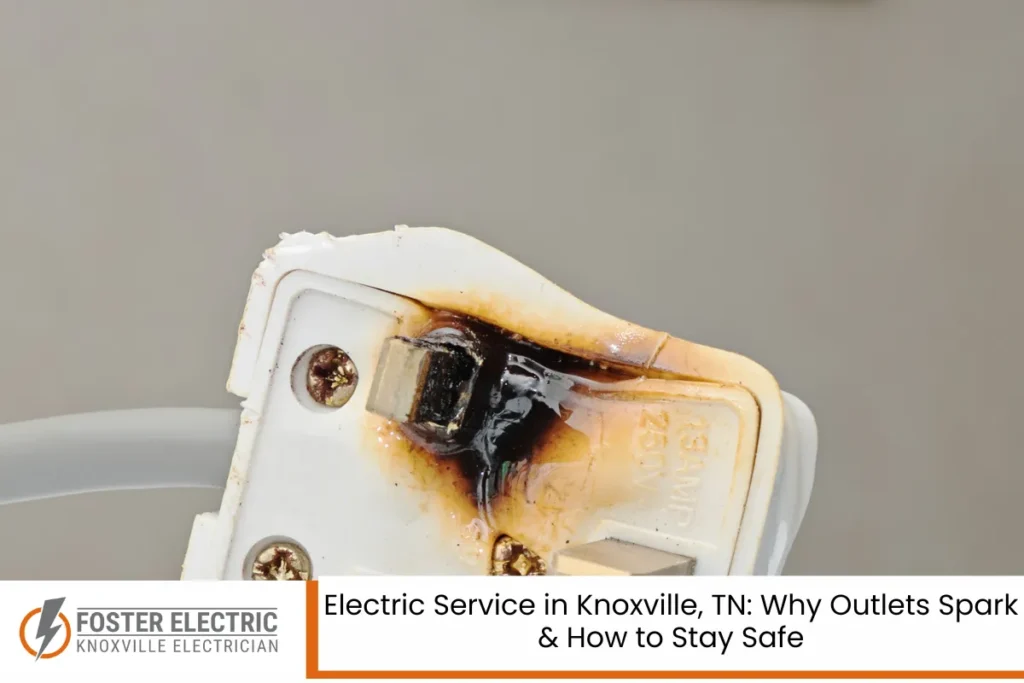
Discoloration or scorch marks on outlets signal overheating that has already caused physical damage. Yellowing or browning plastic around receptacles, melted faceplates, and brown burn marks are all evidence of sustained heat. Burn marks on outlets indicate overheating and potential fire hazards. These problems commonly stem from:
- Loose screw connections or improper torque during installation
- Reversed polarity or incorrect wire gauge
- Mixing copper and aluminum wiring without rated connectors
- Overloaded receptacles handling more current than they were designed for
Electrical fires can start from unnoticed overheating in wiring. In fact, electrical fires can smolder for up to a year before igniting, making early detection critical. If you see smoke, charring, or melting at any outlet or switch, shut off the related circuit breaker immediately and call a qualified professional in Knoxville without delay.
Routine visual checks of accessible outlets and switches are especially important in older homes and in high-demand areas such as kitchens, garages, and home offices.
Warm Switches, Hot Electrical Panel Covers, and Odd Vibrations
Outlets should never feel warm to the touch during normal operation. Properly installed switches, receptacles, and the front cover of your panel should be cool or at most slightly above room temperature. Hot outlets indicate potential wiring issues, and warm outlets suggest overworked or faulty wiring that demands attention.
A consistently hot electrical panel door can mean loose terminations on bus bars, incorrectly sized breakers, or conductors that are carrying more current than they were rated for. Warm outlets may signal overworked or improperly installed wiring behind the wall, where you cannot see the damage accumulating.
Subtle vibrations or a low hum coming from the panel, outlets, or wall cavities may be related to arcing connections or stressed components within equipment. Certain dimmer switches and electronic devices can feel mildly warm by design, but extreme heat, discoloration, or a strange smell alongside warmth points to a serious issue.
Rust or moisture inside electrical panels indicates potential safety hazards, especially in Knoxville where seasonal humidity and local weather patterns contribute to the vulnerability of electrical systems to faults. Never remove the panel cover yourself. Contact a licensed electrical contractor to check torque values and insulation conditions safely.
Read How Electricians Plan Wiring Layouts for Safe Electric Service in Knoxville, TN
Buzzing, Crackling, and Arc Fault Warning Signs
Electricity should be silent. When your home’s electrical wiring is functioning correctly, current flows without producing audible noise. If you hear buzzing, crackling, or sizzling at outlets, switches, or inside walls, something is wrong. Buzzing sounds from outlets suggest loose wiring connections, and buzzing or crackling sounds can lead to overheating and fires.
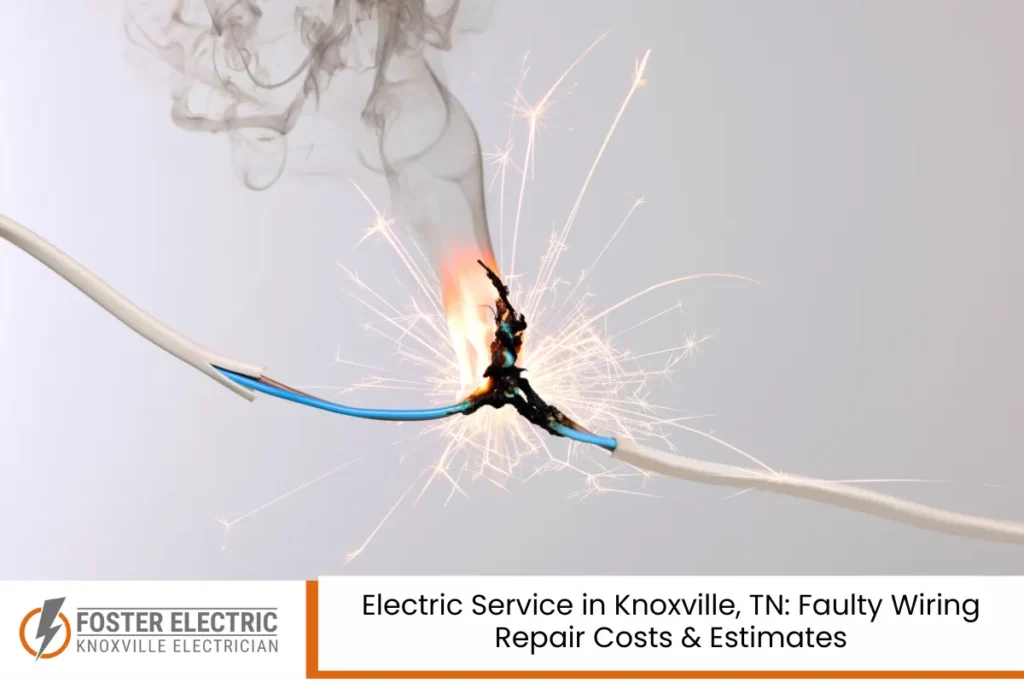
Arc faults are tiny, rapid electrical discharges that happen when conductors are loose, damaged, or pinched behind walls, inside junction boxes, or at device terminations. These discharges generate intense localized heat. AFCI breakers are specifically designed to detect these hazardous patterns and shut off the circuit before a fire starts. If an AFCI breaker trips repeatedly, it may be revealing deeper wiring or installation problems rather than a defective breaker.
High-risk areas include:
- Bedrooms and living rooms where wiring runs through walls secured by staples that may have penetrated cable sheathing
- Older circuits where DIY electrical work was done without permits
- Locations where furniture has been pushed against outlets, bending plugs and stressing connections
Buzzing sounds indicate loose wires or connections that will only worsen over time. Any sound like faint frying or snapping near outlets, switches, or the panel should prompt you to shut off power to that circuit and call an electrician before the arcing causes ignition.
Extension Cords, Overloaded Receptacles, and Other Misuse Red Flags
Heavy reliance on extension cords and power strips is a clear sign that the original installation did not provide enough circuits or outlets for actual daily use. This is common in older Knoxville homes where the electrical system was designed for far fewer appliances than modern households require.
Specific practices that increase risk:
- Daisy-chaining multiple extension cords together
- Using undersized cords for space heaters or other high-draw devices
- Running cords under rugs or through doorways where insulation can degrade from foot traffic and heat buildup
- Plugging several high-wattage appliances into a single outlet through adapters
Overloaded receptacles cause heat buildup and loose terminal degradation over time. Each time you add a new appliance or device to an already strained circuit, you push connections closer to failure. To prevent overloading, homeowners should consider having a professional install dedicated lines and additional outlets rather than relying on temporary solutions that become permanent fire hazards.
If you notice frequent tripped breakers or receptacles that feel warm near extension cords, that is a prompt to have the layout reworked with additional circuits distributed across different circuits in the home.
Outdated or Improper Aluminum Wiring and Other Legacy Problems
Homes built before the 1970s often have outdated wiring systems that were never designed for today’s electrical demands. Old wiring systems may not handle modern electrical demands safely, and one of the most significant concerns is aluminum wiring on branch circuits.
Aluminum expands and contracts more than copper with each heating and cooling cycle. Over years of use, this movement loosens connections at outlets, switches, and breaker lugs. Aluminum wiring is 50 times more likely to cause a fire than copper when connections are not made with properly rated devices. Mixed-metal terminations, where copper and aluminum meet inside a device not rated CO/ALR, create galvanic corrosion and high-resistance joints that generate dangerous heat.
Other legacy issues to watch for:
- Two-prong outlets without a grounding conductor, meaning no equipment ground protection
- Older fuse box panels that lack the precision of modern breakers
- Missing GFCI protection in kitchens and bathrooms, which is a violation of electrical codes
- Older homes may have panels known for safety failures such as Federal Pacific or Zinsco, which have documented histories of breakers failing to trip during overloads
In 2012 through 2016, electrical failures caused 440 civilian deaths annually. Outdated wiring contributed significantly to those numbers. Homeowners in Knoxville should have older systems evaluated for safety upgrades, including pigtailing methods at aluminum connections, panel replacements, and adding GFCI and AFCI protection where current codes recommend them.
Knoxville Code Requirements, Permits, and When to Call a Professional
Knoxville has adopted the 2023 edition of the National Electrical Code for its permitting and inspection program. Electrical service installations must comply with local codes and permitting rules, and electrical permits are required for new electrical installations or significant upgrades. This includes panel changes, service upgrades, new circuits, and most permanent wiring alterations.
The National Electrical Code outlines clearance requirements in front of electrical panels, proper conductor sizing, and approved wiring methods. Work that fails inspection can result in stop-work orders, and unpermitted installations may void homeowner insurance coverage in the event of a claim.
When should you call a professional?
- Repeated breaker trips that do not resolve after reducing load
- Any shock or tingle when touching appliances or switches
- Unexplained burning smell or odd odors near walls and panels
- Visible burn marks, melted insulation, or water intrusion near the panel
- Adding significant loads such as EV chargers, hot tubs, or major HVAC upgrades
Frequent trips may require a professional electrical inspection to determine whether the root cause is overloaded circuits, faulty wiring, or undersized conductors. A licensed electrician will check conductor sizes, terminations, bonding integrity, grounding electrodes, and panel labeling to confirm the system is both safe and compliant. Avoid extensive DIY work on service equipment, main feeders, or load centers. The consequences of getting it wrong go well beyond a failed inspection.
Practical Steps Homeowners Can Take Before the Electrician Arrives
While waiting for professional help, there are simple actions you can take to reduce risk without putting yourself in danger:
- Unplug nonessential devices from any circuit showing signs of faulty electrical behavior
- Switch off suspicious circuits at the breaker and keep flammable materials away from hot outlets or equipment
- Do not open the electrical panel, touch exposed wiring, or use metal tools near suspected faults
Create a quick log of symptoms to help the electrician diagnose faster. Note the times when dimming occurs, which breakers trip, what appliances were running, and any odd odors you noticed. This information saves time and helps pinpoint the problem.
Additional preparations:
- Test smoke alarms monthly and verify fire extinguishers are accessible and rated for electrical fires (Class C or ABC)
- Make sure every family member knows where the main breaker is and how to shut it off in case of obvious arcing or smoke
- Keep the area around your panel clear and accessible at all times
Protecting Your Knoxville Home from Faulty Installations
Every warning sign covered in this article, from flickering lights and frequent circuit breaker trips to a burning smell, discolored outlets, warm switch plates, and buzzing sounds, is your home telling you something needs attention. These signs of faulty electrical installation should never be dismissed as minor inconveniences.
Many of these issues stem from improper installation, undersized wiring, a loose connection at a critical junction, or outdated components that were never upgraded to meet modern demand. Electrical fires can start from unnoticed faults over time, and the cost of ignoring early symptoms is measured in property damage, injury, and lives.
Proactive inspections, code-compliant upgrades, and using licensed professionals for any significant work on the electrical system are the most reliable ways to keep your household safe. Paying attention to small issues today can prevent dangerous fires and costly damage tomorrow. If anything in this article sounds familiar, do not wait. Have a qualified electrician evaluate your home and give you a clear path to a safe electrical system.
Electric Service in Knoxville, TN – Foster Electric
At Foster Electric, we specialize in keeping Knoxville homes safe through expert electric service installations, repairs, and inspections. We are based in Knoxville, Tennessee and proudly serve the prominent surrounding areas with licensed, insured electricians who understand local codes and inspection requirements inside and out.
Whether you are dealing with frequent breaker trips, dimming lights, aluminum wiring concerns, or an overheating electrical panel, our team has the experience to diagnose the problem and fix it right the first time. We work on both older and newer homes, and we know what Knoxville inspectors expect.
Call Foster Electric today at (865) 246-7037 or fill out our online contact form to schedule an inspection, safety evaluation, or service upgrade. We prioritize clear explanations, transparent pricing, and long-term safety for your family and property. Your home deserves a safe, reliable power supply, and we are here to make that happen.
Frequently Asked Questions
How Often Should I Have My Home’s Electrical System Inspected in Knoxville?
For newer homes with no known issues, a full inspection every five to ten years is generally reasonable. Older homes or properties that have experienced frequent electrical problems benefit from more frequent evaluations, potentially every three to five years. You should also schedule an inspection after major renovations, when adding heavy loads like hot tubs or EV chargers, or immediately after purchasing a home to verify that previous work was properly permitted and code-compliant. During a professional inspection, the electrician will focus on the panel condition, grounding system integrity, visible wiring, GFCI and AFCI protection, and any reported symptoms like dimming or buzzing. Catching problems early prevents them from escalating into expensive repairs or dangerous situations.
Is It Safe to Replace My Own Outlets and Switches If They Look Burned or Discolored?
Replacing a standard outlet or switch with the power off is within the ability of some homeowners, but burned or discolored devices are a different situation. The discoloration itself is evidence that sustained overheating has already occurred, and simply swapping the device does not address the root cause. The wiring behind that device may be damaged, the circuit may be overloaded, or the wire gauge may be inadequate for the connected load. In these cases, a licensed electrician should evaluate the entire circuit, check wire gauge and termination quality, verify proper box fill, and confirm that the replacement device is rated for the conductor type. Treating the symptom without investigating the cause leaves your home vulnerable to the same failure repeating.
What Should I Do If I Smell Something Burning but Cannot Find the Source?
Treat any unexplained electrical burning smell as urgent, even without visible smoke or flames. Start by turning off circuits in the area where the odor seems strongest. If the smell is intense or spreading, shut off the main breaker and avoid using high-demand appliances. Open windows for ventilation if safe to do so, and evacuate your household if the odor intensifies or you see any visible smoke. Call the fire department if you have any doubt about whether an active fire is present behind a wall or inside a panel. Once the immediate risk is managed, contact an electrician promptly to inspect wiring, outlets, junction boxes, and the panel. Many serious electrical fires begin as faint, intermittent odors that homeowners dismiss for weeks before ignition occurs.
Can Faulty Electrical Installations Damage My Appliances and Electronics?
Yes. Poor installations can cause voltage fluctuations, repeated surges, and intermittent power loss, all of which shorten the lifespan of appliances and electronics significantly. Sensitive devices like computers, smart TVs, networking equipment, and modern HVAC controls are especially vulnerable to unstable voltage and repeated power interruptions. A loose neutral connection, for example, can cause voltage on one leg of your service to spike while the other drops, potentially sending damaging overvoltage to connected equipment. Whole-house surge protection, proper circuit sizing, and addressing any recurring dimming or frequent breaker trips are the most effective ways to protect valuable equipment. The cost of replacing a refrigerator, computer, or HVAC control board often exceeds the cost of the electrical fix that would have prevented the damage.
How Do I Know If My Home Has Aluminum Wiring, and What Should I Do If It Does?
Aluminum branch circuit wiring is most common in homes built or extensively remodeled during the mid-1960s through the late 1970s, when copper prices drove builders toward aluminum as an alternative. You can sometimes identify it by looking at the markings on cable jackets in accessible areas like attics or basements. The jacket may be stamped with “AL” or “Aluminum.” However, do not open your panel to check conductor types yourself. A licensed electrician can confirm the presence and condition of aluminum conductors safely and assess whether terminations are properly made with CO/ALR-rated devices or approved connectors. Depending on inspection results, remedies may include pigtailing aluminum to copper at each device using listed connectors, upgrading devices to aluminum-compatible models, or in some cases rewiring high-risk circuits entirely.
Disclaimer
This article provides general educational information for Knoxville homeowners regarding electrical safety and warning signs. It is not a substitute for on-site evaluation, diagnosis, or official code interpretation by a licensed electrician or local authority having jurisdiction.
Read Electric Service in Knoxville, TN: Why Outlets Spark & How to Stay Safe