
Why Proper Wiring Compliance Matters More Than You Think
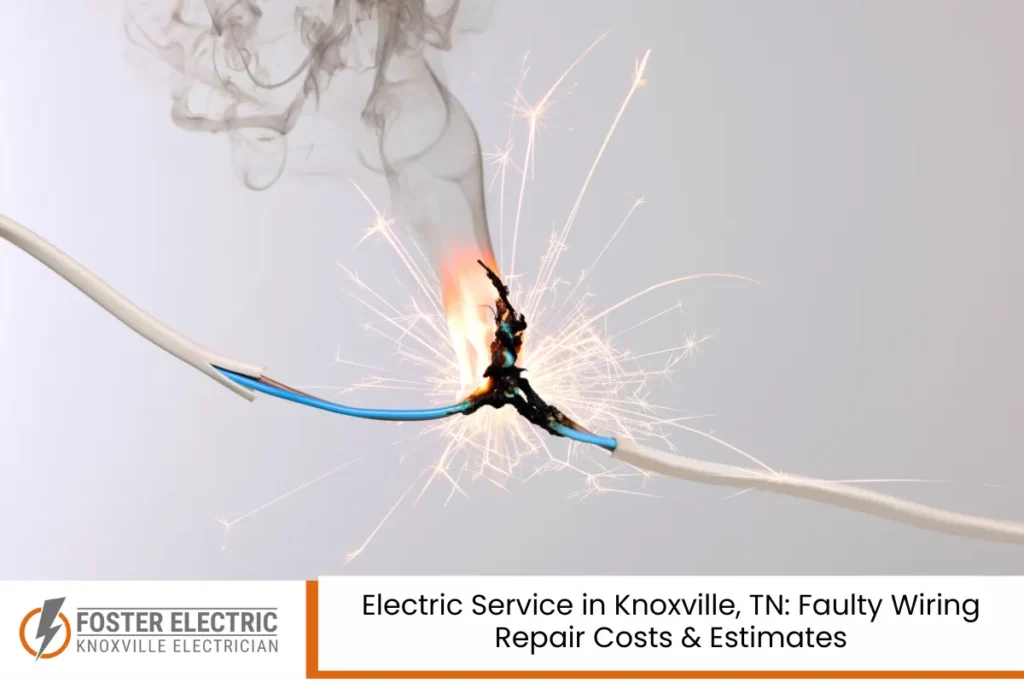
Electric Service in Knoxville, TN plays a crucial role in keeping homes and businesses safe, but faulty wiring and outdated systems remain a serious problem. Many property owners assume their electrical service is up to standard—until something goes wrong. Electrical fires, failed inspections, and unexpected repair costs can quickly become overwhelming. The reality is that improper installations or DIY work often lead to code violations that put lives and property at risk. The good news? A qualified electrician and licensed electrical contractor can ensure everything meets local and national safety standards, preventing hazards before they happen and giving you peace of mind.
What Electrical Code Compliance Really Means in Knoxville
Electrical code compliance refers to following a set of standards designed to ensure safe installation and operation of electrical systems. In Knoxville, these standards are primarily based on the National Electrical Code (NEC), with local amendments enforced by city and county authorities.
The Role of the National Electrical Code (NEC)
The NEC is updated every three years and outlines best practices for electrical installations across the United States. Tennessee adopts versions of the NEC to regulate electrical service work, ensuring consistency and safety.
Key areas covered include:
- Wiring methods and materials
- Grounding and bonding requirements
- Overcurrent protection (circuit breakers and fuses)
- Load calculations for residential and commercial systems
- Placement of outlets and switches
An experienced electrician understands how these guidelines apply to modern homes and older properties alike.
Local Regulations in Knoxville, Tennessee
Knoxville enforces electrical codes through inspections and permitting processes. Before beginning most electrical service projects, an electrical contractor must:
- Obtain the proper permit
- Follow city-approved installation practices
- Schedule inspections during and after the work
Failure to comply can result in fines, project delays, or mandatory rework.
The Step-by-Step Process Electricians Follow to Meet Code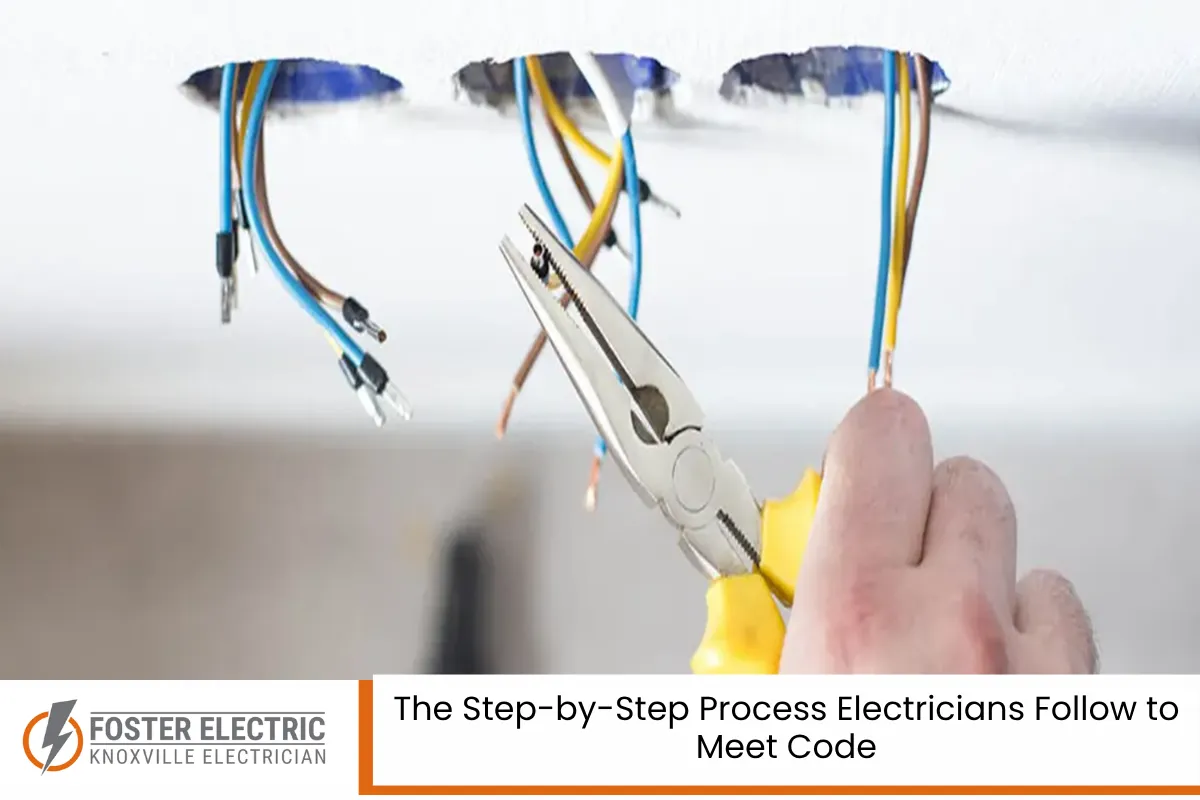
Ensuring compliance is not a single action—it’s a detailed process that begins before any wires are installed.
Initial Assessment and Load Calculation
Every project starts with evaluating the electrical demands of a property. Electricians calculate the expected load to determine:
- Panel size requirements
- Circuit distribution
- Appliance and HVAC capacity
This step ensures the electrical service can handle current and future usage without overloading.
Designing the Electrical System
After assessment, the electrical contractor designs a system that aligns with NEC and local codes. This includes:
- Proper circuit layout
- Placement of outlets (including GFCI and AFCI protection where required)
- Grounding systems for safety
Modern electrical service plans often incorporate energy efficiency and smart home integration.
Installation Using Approved Materials
Electricians use materials that meet safety standards, such as:
- Correct wire gauge for the load
- Approved conduit or cable types
- Proper junction boxes and enclosures
Using substandard materials is one of the most common causes of code violations.
Inspection and Testing
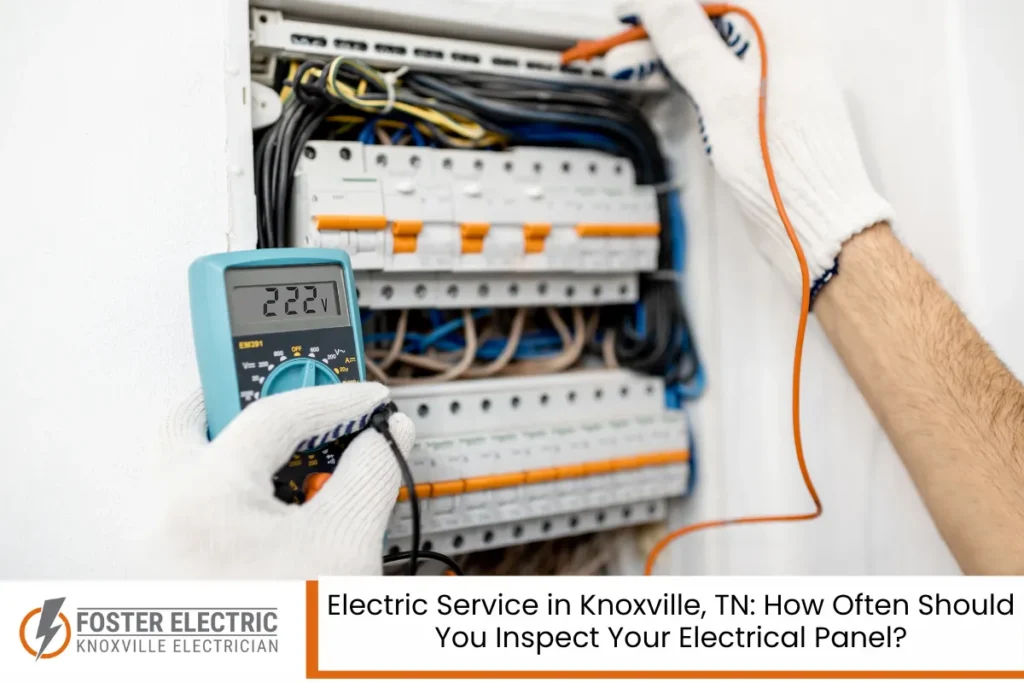
Before final approval, the system undergoes inspection by local authorities. Electricians also perform internal testing to check:
- Voltage consistency
- Proper grounding
- Circuit functionality
Only after passing inspection is the electrical service considered compliant.
Common Code Requirements Electricians Must Follow
Grounding and Bonding Systems
Proper grounding protects against electrical shock and fire. Electricians ensure:
- Ground rods are correctly installed
- Metal components are bonded
- Systems safely direct excess electricity
Circuit Protection and Breakers
Circuit breakers prevent overloads. Code requires:
- Correct breaker sizing
- AFCI protection in living spaces
- GFCI outlets in kitchens, bathrooms, and outdoor areas
Outlet Placement and Spacing
To reduce hazards, codes specify outlet placement:
- Every 6 to 12 feet in living areas
- Dedicated circuits for major appliances
- Weather-resistant outlets outdoors
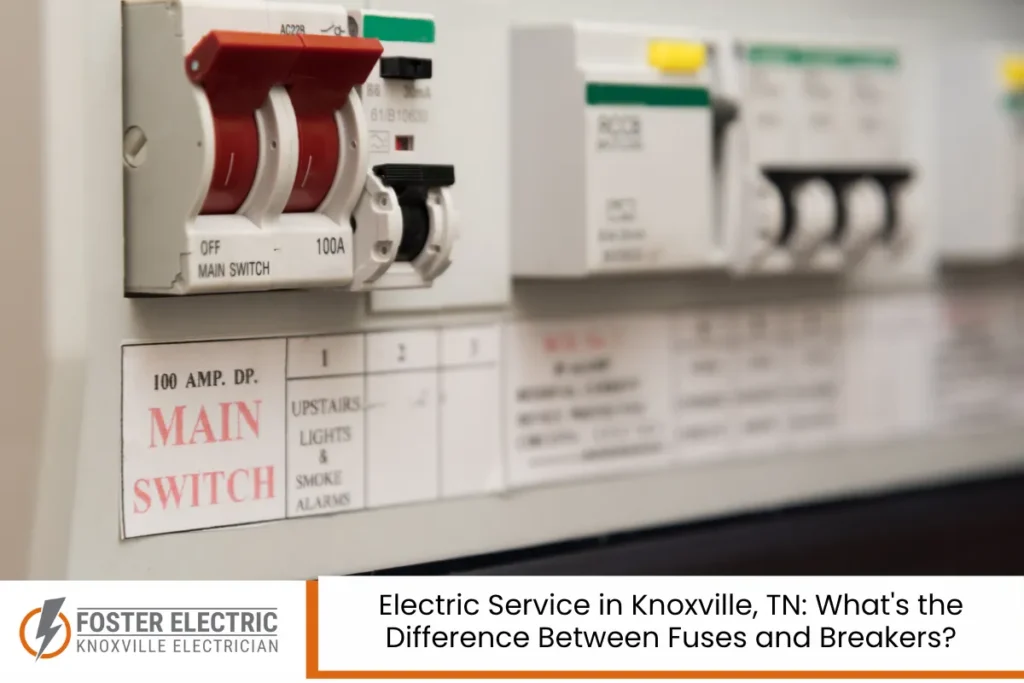
Panel Accessibility and Labeling
Electrical panels must remain accessible and clearly labeled. This helps homeowners and electricians quickly identify circuits during maintenance or emergencies.
Read Electric Service in Knoxville, TN: What Size Wire Do I Need for My Appliances?
Why Hiring a Licensed Electrical Contractor Matters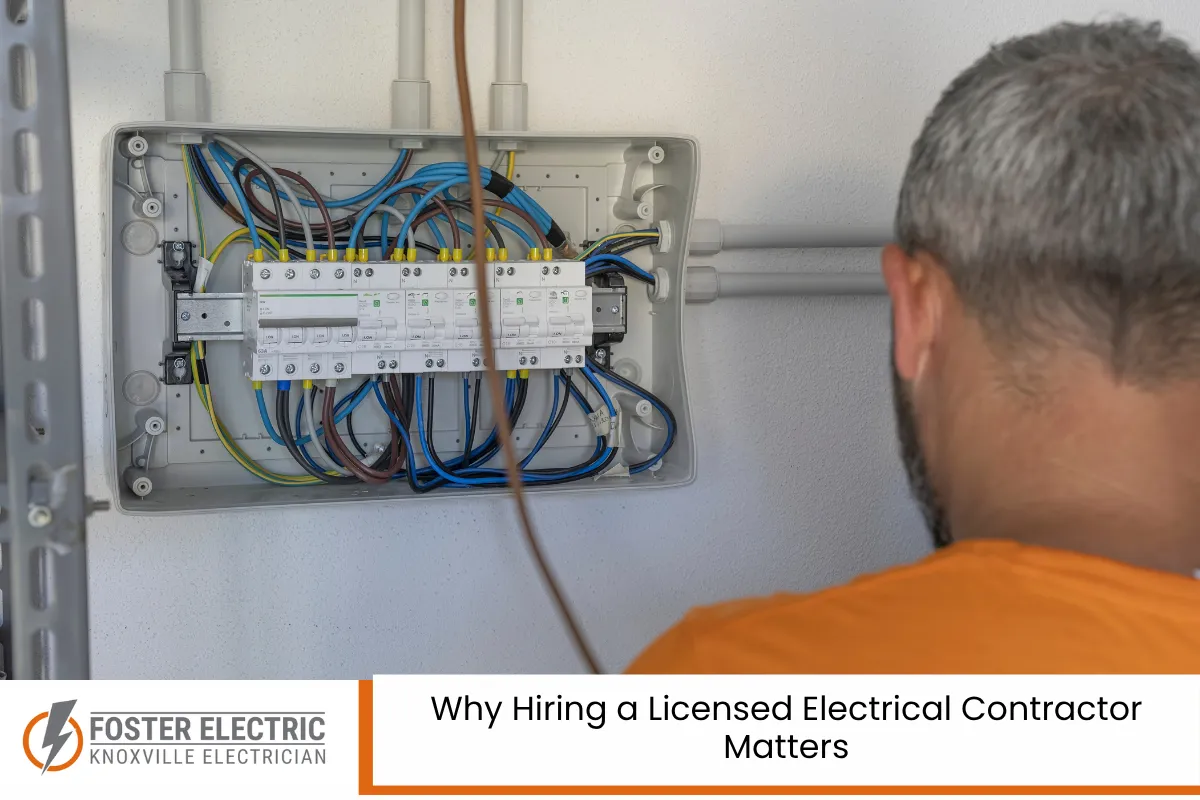
Hiring a licensed electrical contractor is essential for ensuring compliance and safety.
Training and Certification
Licensed professionals undergo rigorous training, including apprenticeships and exams. They stay updated with:
- NEC changes
- Local Knoxville regulations
- New technologies in electrical service
Accountability and Insurance
A licensed electrician carries insurance and is accountable for their work. This protects homeowners from liability if something goes wrong.
Avoiding Costly Mistakes
DIY electrical work often leads to:
- Failed inspections
- Safety hazards
- Expensive repairs
Professional electrical service prevents these issues from the start.
Modern Upgrades That Help Meet Code Requirements
Smart Panels and Energy Monitoring
New electrical systems often include smart panels that:
- Track energy usage
- Detect faults early
- Improve efficiency
Surge Protection Systems
Whole-home surge protection is increasingly recommended to protect electronics from power surges.
Electric Vehicle (EV) Charging Stations
As EV adoption grows, electricians install dedicated circuits and charging stations that meet code requirements.
The Inspection Process in Knoxville Explained
Rough-In Inspection
This occurs before walls are closed. Inspectors check:
- Wiring placement
- Box installation
- Proper routing
Final Inspection
After installation is complete, inspectors verify:
- System functionality
- Code compliance
- Safety measures
Only after passing both inspections is the project approved.
Signs Your Electrical System May Not Meet Code
Even if your system worked fine for years, it may not meet current standards.
Watch for:
- Flickering lights
- Frequent breaker trips
- Outdated fuse boxes
- Lack of GFCI outlets
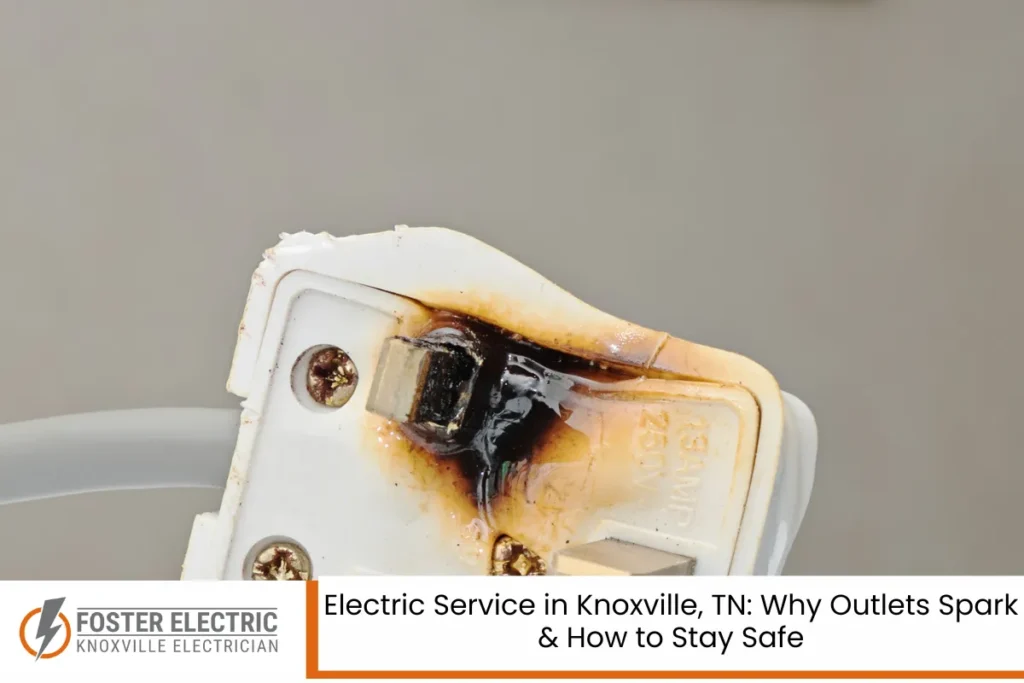
- Warm or discolored outlets
If you notice these issues, a professional electrician should evaluate your electrical service.
How Electricians Stay Updated with Changing Codes
Electrical codes evolve to improve safety and efficiency. Electricians stay current through:
- Continuing education courses
- Industry certifications
- Manufacturer training programs
This ensures every electrical service project reflects the latest standards.
Safety Benefits of Code-Compliant Electrical Work
Meeting code is not just about passing inspections—it directly impacts safety.
Reduced Fire Risk
Proper wiring and circuit protection significantly lower the risk of electrical fires.
Improved System Reliability
Code-compliant systems operate more efficiently, reducing outages and failures.
Increased Property Value
Homes with updated electrical service are more attractive to buyers and pass inspections more easily.
Choosing the Right Electrician for the Job
When selecting an electrician in Knoxville, consider:
- Licensing and certifications
- Experience with similar projects
- Knowledge of local codes
- Clear communication and estimates
A qualified electrical contractor ensures your project is completed safely and correctly the first time.
Bringing It All Together for Safe and Reliable Power
Electrical systems are the backbone of modern living, and ensuring they meet code is essential for safety, efficiency, and long-term reliability. From initial planning to final inspection, electricians follow strict guidelines to deliver compliant electrical service. Whether upgrading an older home or installing a new system, working with a skilled professional ensures everything meets Knoxville’s standards and protects your investment for years to come.
Electric Service in Knoxville, TN – Foster Electric
When you need reliable electric service in Knoxville, TN, we’re here to help. At Foster Electric, we take pride in delivering safe, code-compliant electrical service for homes and businesses throughout Knoxville and surrounding areas. Our team of licensed electricians handles everything from panel upgrades and wiring installations to inspections and repairs, ensuring every project meets local and national standards.
We understand how important safety and reliability are, which is why we focus on quality workmanship and fast response times. Whether you’re upgrading your system or fixing an issue, we make the process simple and stress-free. Call us today at (865) 246-7037 or fill out our contact form to schedule your service with Foster Electric.
Frequently Asked Questions
How often should electrical systems be inspected in Knoxville homes?
Electrical systems should be inspected every 3 to 5 years, especially in older homes. Regular inspections help identify potential hazards like outdated wiring, overloaded circuits, or failing components. Homes with recent renovations or new appliances may require more frequent checks. A licensed electrician can assess whether your electrical service meets current standards and recommend upgrades if needed. Routine inspections also help prevent costly repairs and ensure your system remains safe, efficient, and compliant with local Knoxville regulations.
What permits are required for electrical work in Knoxville, TN?
Most electrical projects in Knoxville require permits issued by local authorities. This includes panel upgrades, rewiring, new installations, and major repairs. Permits ensure the work is performed according to safety standards and is inspected properly. A licensed electrical contractor typically handles the permitting process on behalf of the homeowner. Skipping permits can lead to fines, failed inspections, and complications when selling a property, making it essential to follow proper procedures.
Can outdated wiring still pass electrical code requirements?
Outdated wiring may function but often fails to meet modern code requirements. Systems like knob-and-tube or aluminum wiring can pose safety risks and may not support today’s electrical demands. While some older systems are grandfathered in, upgrades are usually recommended to improve safety and efficiency. A professional electrician can evaluate your wiring and determine whether it complies with current standards or needs replacement.
What is the difference between GFCI and AFCI protection?
GFCI (Ground Fault Circuit Interrupter) protects against electrical shock by shutting off power when it detects imbalances, commonly required in wet areas like kitchens and bathrooms. AFCI (Arc Fault Circuit Interrupter) prevents fires by detecting dangerous arcing conditions in wiring. Both are required by modern electrical codes in specific areas of a home. Installing these devices ensures your electrical service meets safety standards and reduces risks.
How do electricians handle code updates during renovations?
During renovations, electricians update systems to meet the latest code requirements, even if the original installation was compliant at the time. This may include adding new circuits, upgrading panels, or installing modern safety devices. The electrical contractor ensures all new work aligns with current NEC standards and local Knoxville regulations. This process not only ensures compliance but also improves safety and performance for updated spaces.
Disclaimer: This article is for informational purposes only and does not replace professional advice. Electrical codes and requirements may vary. Always consult a licensed electrician or local authority in Knoxville, Tennessee for accurate guidance on your electrical service needs.
Read Electric Service in Knoxville, TN: Why Does My Outlet Spark When I Plug Something in?