
Electrical work is a vital part of any home, but handling it yourself can often feel like a risky move. Many homeowners are tempted to tackle electrical repairs and upgrades themselves to save on costs, but is it safe to DIY electrical work at home? With the potential dangers involved, it’s crucial to understand when it’s appropriate to do it yourself and when it’s better to call in a professional electrician in Knoxville, Tennessee. In this article, we explore the risks, safety tips, and expert advice from local electricians to guide your decision.
Understanding Electrical Safety: The Importance of Professional Help
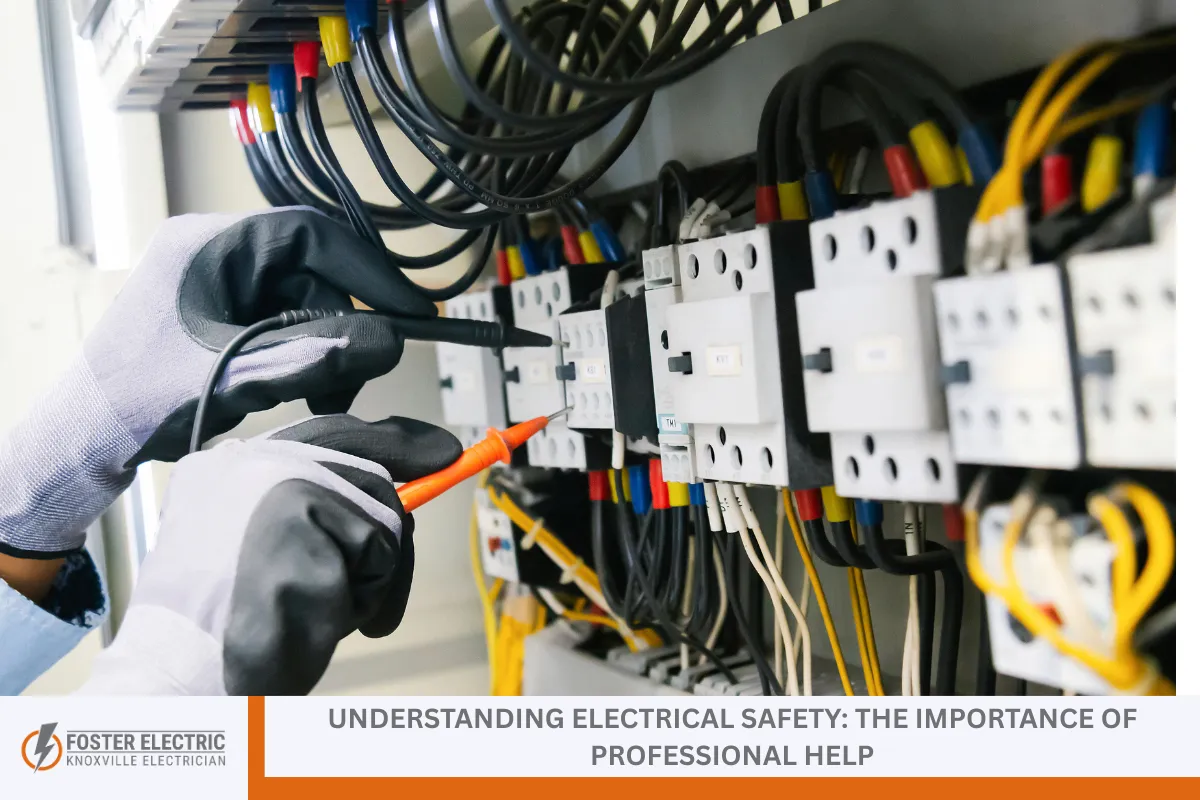
When dealing with electrical systems in your home, the safety of you and your family should always be the priority. Electrical issues, whether minor or severe, can present significant risks such as electrical shocks, fires, and even death if not handled correctly. Understanding the complex nature of electrical systems is the first step in recognizing why some electrical tasks are better left to professionals.
The Hidden Dangers of DIY Electrical Work
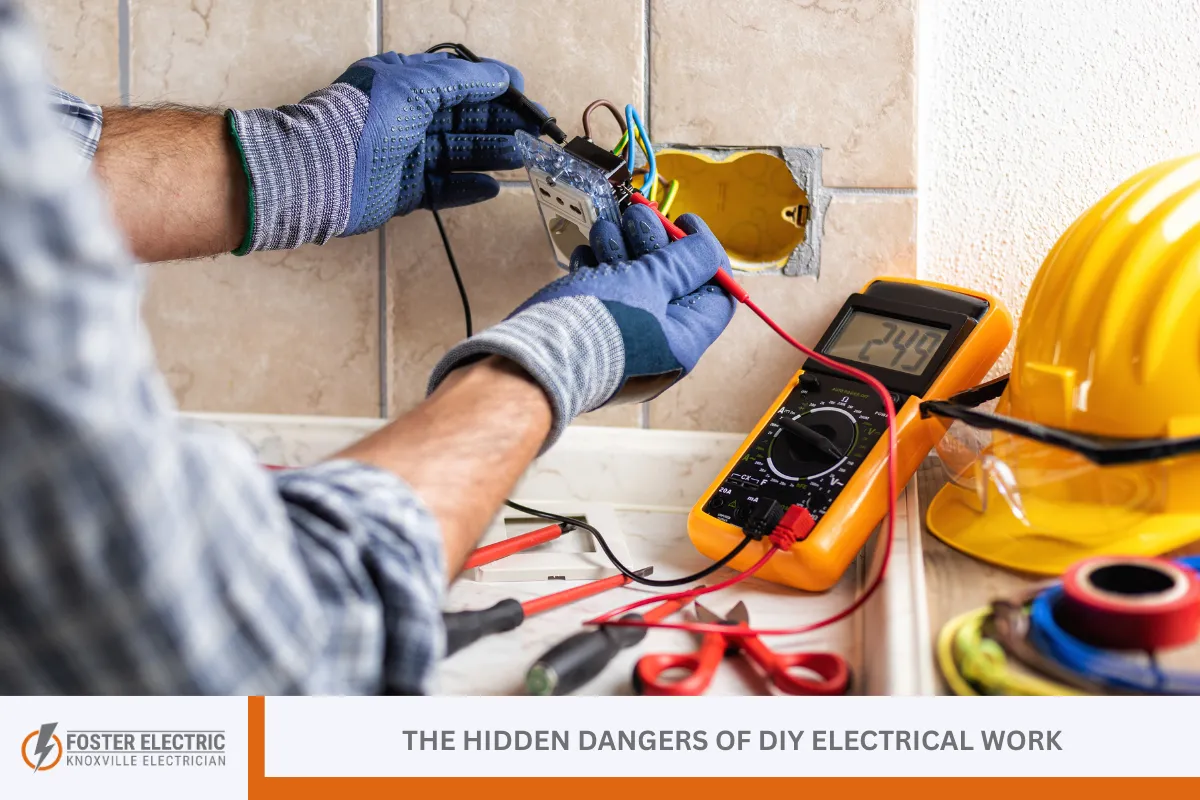
It’s easy to underestimate the potential hazards that come with DIY electrical projects. Many homeowners think that as long as the power is off, the job is safe. Unfortunately, this is not always the case. Let’s explore the primary risks associated with DIY electrical work.
1. Risk of Electric Shock
Electricity flows through wires and electrical components constantly, and even when the power is turned off, certain electrical elements can still carry residual current. Handling these improperly can lead to severe electric shocks. Electricians in Knoxville are trained to recognize these risks and know the safest procedures to prevent them.
2. Fire Hazards from Incorrect Installations
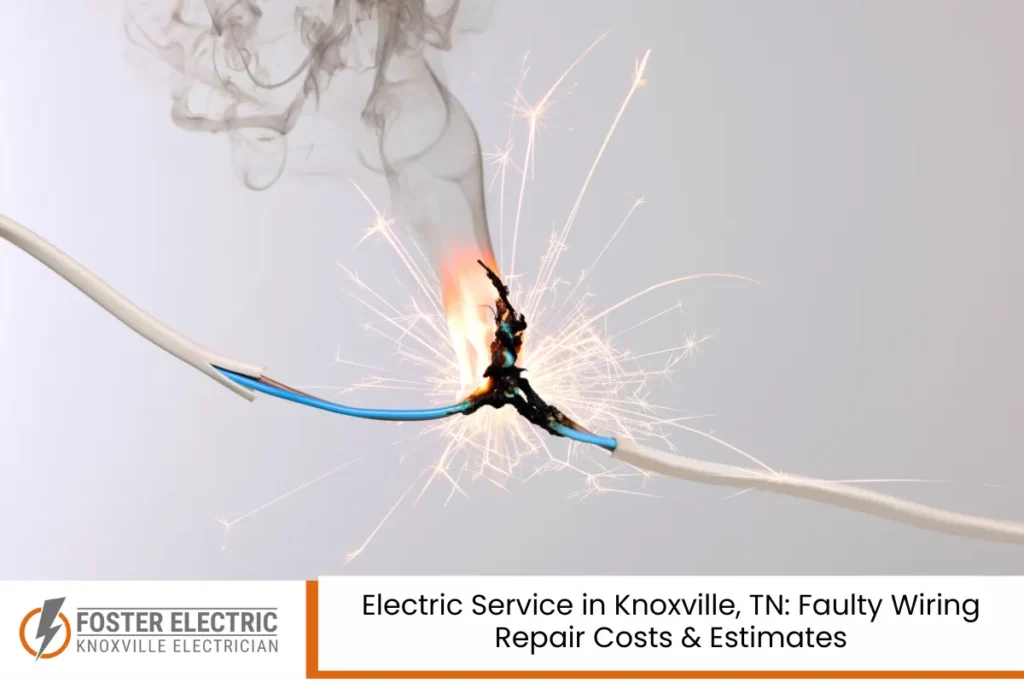
Incorrectly installed wiring can cause circuits to overheat, which is a leading cause of electrical fires. While a minor wiring issue might seem harmless initially, it can escalate into a dangerous situation over time. A small spark, hidden behind walls, can lead to extensive property damage and loss.
3. Code Violations and Legal Issues
Electrical work must comply with national and local codes designed to protect against accidents. In Knoxville, Tennessee, certain types of electrical installations require a permit and an inspection by a licensed professional. Failing to follow these regulations can result in legal issues, increased costs, and the potential for future costly repairs.
When to Call a Professional Electrician
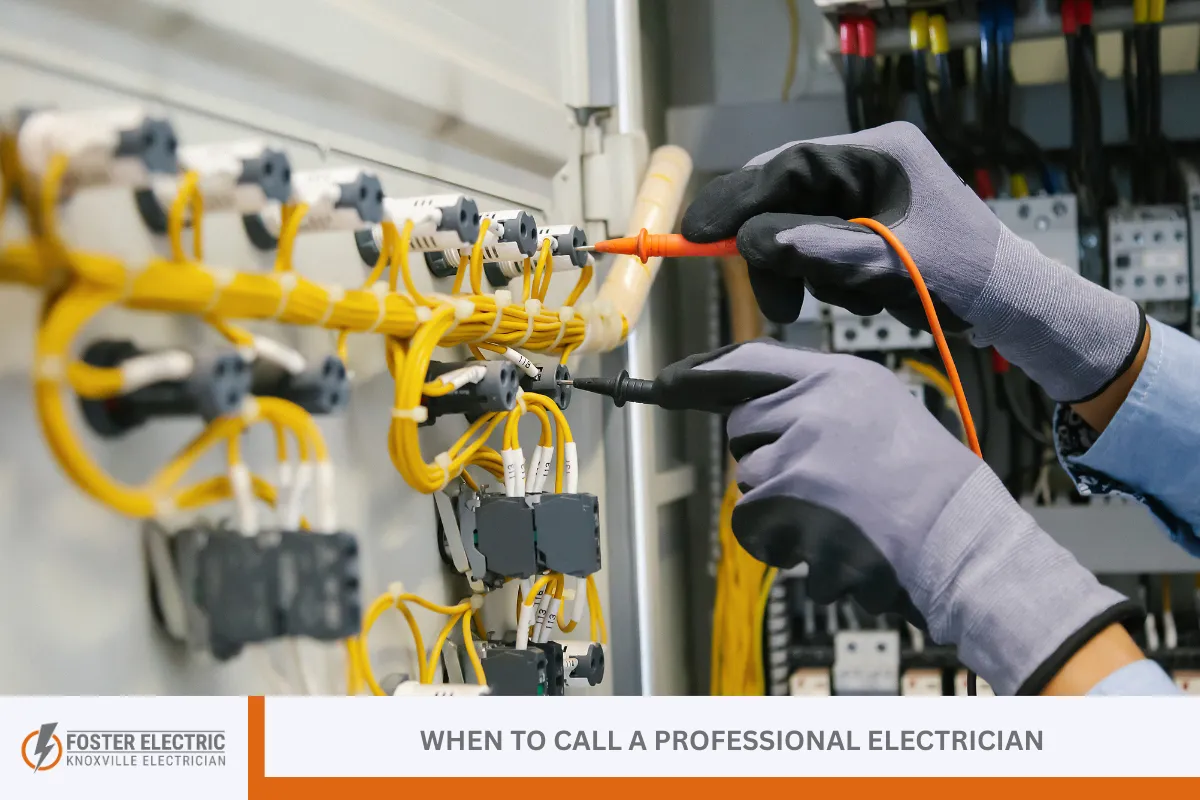
Some electrical tasks might seem simple, but their complexity often goes unnoticed until it’s too late. While small fixes, such as changing light bulbs or installing a ceiling fan, can typically be done by homeowners, many other tasks require a skilled electrician to ensure they are done safely and correctly. Here are some instances where you should definitely reach out to a professional.
Electrical Upgrades and Rewiring Projects
Upgrading your home’s electrical system can involve rewiring, installing additional outlets, or even replacing electrical panels. These types of projects require extensive knowledge and experience. Electricians in Knoxville can assess your home’s current electrical system, identify any issues, and make necessary upgrades to accommodate modern needs, such as increased energy consumption or home automation.
Rewiring for Older Homes
Homes built before modern safety codes were implemented may have outdated wiring that doesn’t meet today’s standards. In such cases, rewiring becomes necessary to reduce fire risks and improve electrical performance. A professional electrician will be able to handle the complexities involved in rewiring while adhering to safety regulations.
Installing and Upgrading Electrical Panels
Electrical panels distribute power throughout your home, and upgrading them may be necessary when you add high-energy devices, such as hot tubs, air conditioning units, or additional appliances. A licensed Knoxville electrician will ensure that your new electrical panel meets your home’s power needs while following all required codes.
Upgrading to a Higher Capacity Panel
As technology advances, your home’s power demands increase. An electrical panel upgrade ensures that your system can handle the load, preventing circuit breakers from tripping or causing system failures. This is not a project that should be handled by someone without the proper training and experience.
Why DIY Electrical Work is Not Recommended for Complex Tasks
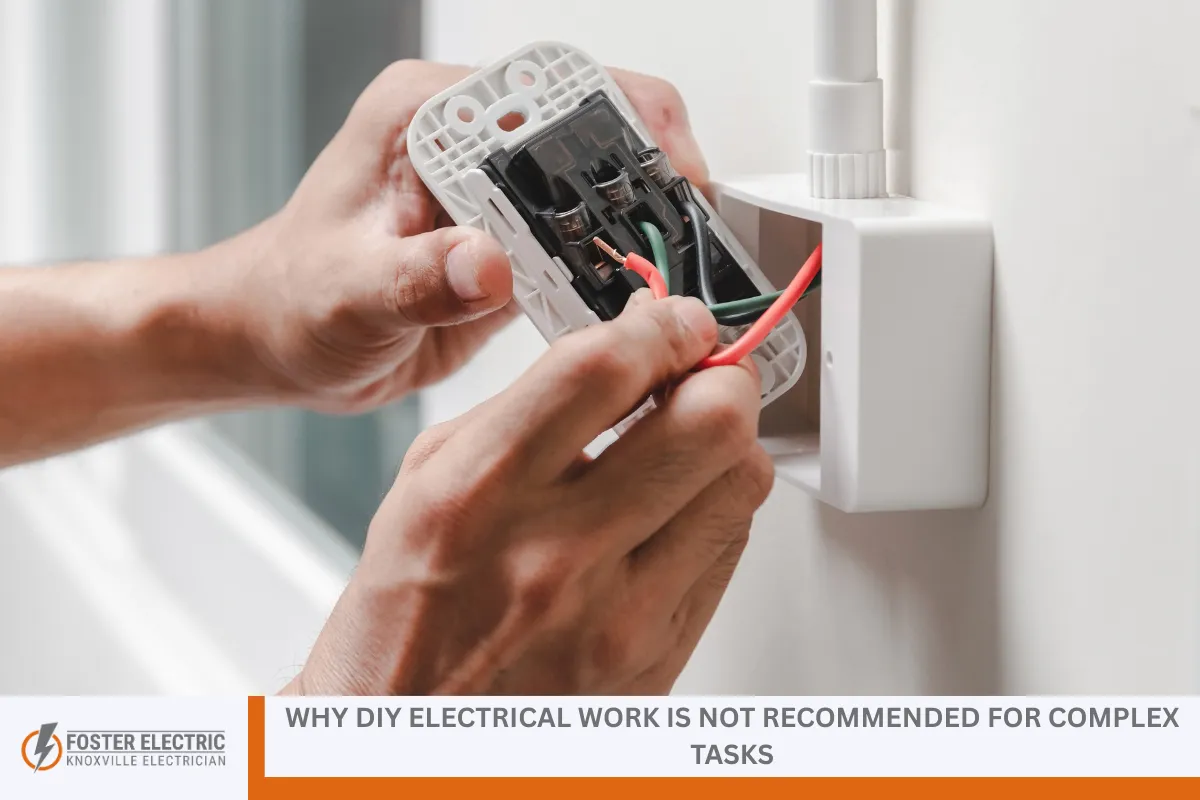
Electrical systems are intricate, and working on them without expertise can result in dangerous and costly mistakes. The following tasks should always be left to professional electricians:
- Faulty Circuit Breakers – Circuit breakers protect your home from electrical overloads. If a breaker is malfunctioning or keeps tripping, it may be a sign of a deeper electrical issue. A professional electrician can assess and repair these systems safely and effectively.
- Outdoor Electrical Work – Outdoor electrical systems, such as lighting or power outlets for outdoor use, must be correctly installed to prevent moisture damage. A qualified electrician is familiar with the specific weatherproofing standards required for outdoor installations.
- Electrical Safety Inspections – An inspection ensures that your home’s electrical systems are in good working order and meet safety regulations. An electrician will thoroughly check the entire system, identifying any hidden problems before they become major issues.
Understanding the Costs of Electrical Services in Knoxville

Cost is often a major consideration for homeowners. Still, it’s essential to weigh the expense of professional electrical services against the potential costs of mistakes or damage that can occur from DIY work. Electrical jobs range in price, depending on the complexity of the task. Here’s an overview of the typical costs you might encounter in Knoxville:
Minor Repairs and Installations
For smaller tasks, such as outlet replacements, light fixture installations, or troubleshooting electrical issues, expect to pay between $100 and $300. This cost may vary depending on the time and complexity of the job.
Major Electrical Projects
For significant electrical work, such as rewiring a home or installing new electrical panels, costs can range from $2,000 to $8,000. These jobs require more time, expertise, and labor. While the upfront cost may seem high, investing in professional services can save you from future electrical failures and repairs.
Is DIY Electrical Work Really Worth It?
In conclusion, while DIY electrical work might seem like an attractive way to save money, it poses significant risks to both your safety and the integrity of your home. The risks of electric shock, fire hazards, and code violations far outweigh any initial savings from doing the work yourself. Hiring a licensed electrician ensures that the job is done safely, up to code, and with the correct materials, helping you avoid potentially costly or life-threatening mistakes.
With that said, minor electrical tasks such as changing light bulbs or installing basic fixtures can be safe for those who take the proper precautions. However, for anything more complex or involving wiring, electrical panels, or outdoor installations, it is always best to call in a professional.
Knoxville Electrician – Foster Electric
Foster Electric provides reliable and professional electrical services across Knoxville. Our team of experienced electricians is equipped to handle everything from routine repairs to more complex installations, ensuring that your home or business remains powered safely and efficiently. Whether you need to upgrade your electrical panel, install new outlets, or tackle a rewiring project, we have the expertise to get the job done right.
For trusted, affordable electrical solutions, call us at (865) 246-7037 to schedule your appointment today!
Frequently Asked Questions about DIY Electrical Work
1. What are the dangers of DIY electrical work?
DIY electrical work can seem appealing to save costs, but it carries several significant risks:
- Electrical Shock: Even when the power is off, wires can still hold residual current. Mishandling them can lead to serious electric shock, potentially life-threatening.
- Fire Hazards: Incorrect wiring and overloading circuits can cause overheating, leading to electrical fires that might go unnoticed until it’s too late.
- Code Violations: Electrical systems must comply with local codes for safety. DIY work may fail to meet these standards, leaving your home vulnerable to fire hazards and other risks.
- Legal Consequences: If electrical work is performed incorrectly, you may face penalties, or future buyers may demand costly repairs to comply with regulations.
When in doubt, always consult a licensed electrician to handle even seemingly simple electrical issues safely.
2. How do I know when I need to hire a professional electrician?
While minor electrical tasks like replacing light bulbs or installing light fixtures are usually safe for homeowners, there are certain situations when you should call a professional:
- Frequent Circuit Breaker Trips: If your circuit breakers are constantly tripping, it’s a sign of a potential problem that needs professional evaluation.
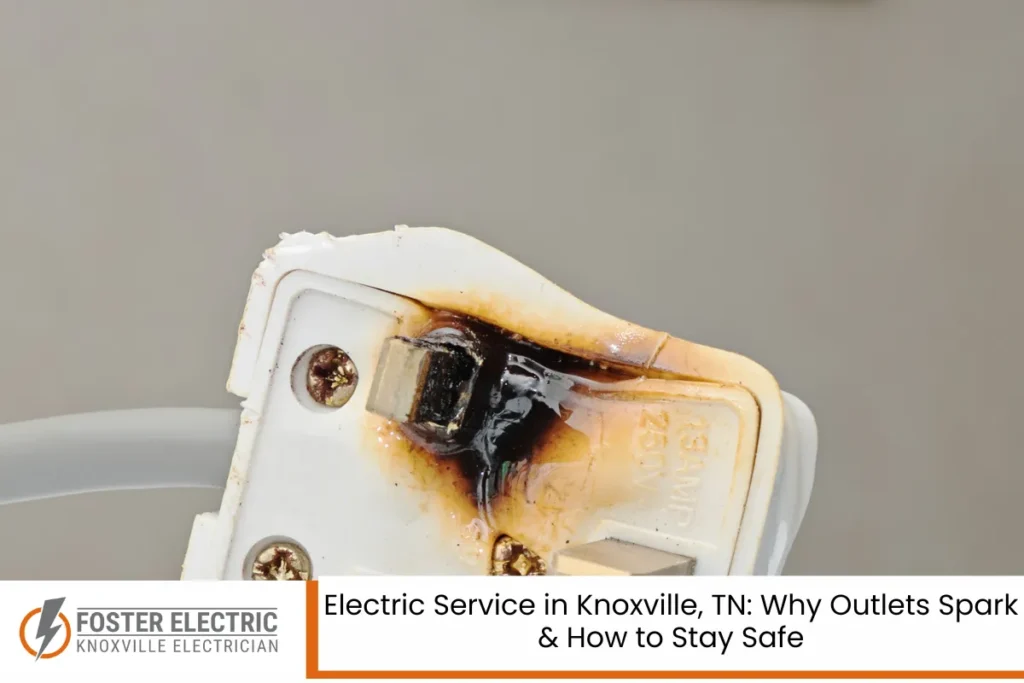
- Faulty Wiring or Outlets: Any signs of scorch marks, loose outlets, or exposed wires should be addressed by an expert to avoid risks such as shocks or fires.
- Electrical Upgrades: Tasks like rewiring, upgrading electrical panels, or installing high-powered appliances require knowledge of electrical codes and standards, which professionals are trained to follow.
- Outdoor Electrical Work: Installing lights or running power to an outdoor shed requires knowledge of weatherproofing and outdoor electrical safety, making it crucial to hire an electrician.
Hiring a licensed electrician ensures that your electrical systems are safe, reliable, and compliant with codes.
3. Why is it important to follow electrical codes and regulations?
Electrical codes and regulations are established to safeguard the safety of homeowners and the community. These codes govern everything from the types of wires that should be used to how circuits must be grounded. Here’s why they matter:
- Safety: Electrical codes are designed to prevent hazards like fires, shocks, or equipment malfunctions. Proper installation and adherence to codes help ensure the safety of everyone in the building.
- Insurance: Failing to follow codes can void your homeowner’s insurance in case of an accident. If DIY electrical work results in a fire or other damage, your insurance may not cover the costs.
- Legal Compliance: Failure to adhere to local electrical codes may result in fines or legal issues. If you sell your home, unapproved electrical work could prevent the sale or require expensive corrections.
- Inspection and Permits: Many types of electrical work require permits and must be inspected by the relevant authorities. A professional electrician is equipped to handle these requirements.
Following the regulations ensures that the electrical system is safe, compliant, and covered in case of emergencies.
4. What should I do if I suspect an electrical issue in my home?
If you suspect an electrical issue in your home, it’s essential to act promptly but safely:
- Turn off the Power: The first step is to ensure safety by switching off the power at the breaker box.
- Check for Obvious Signs: Look for any visible issues such as exposed wires, flickering lights, or scorched outlets.
- Don’t Attempt Major Repairs: For issues beyond simple tasks, such as replacing a light bulb or resetting a circuit breaker, it’s crucial to avoid DIY fixes.
- Call a Licensed Electrician: Contact a licensed electrician to inspect your home’s electrical system. They will identify the problem and fix it according to safety standards.
- Keep Everyone Safe: Until the electrician arrives, avoid using any outlets or appliances that are affected to prevent potential hazards.
Promptly addressing electrical problems minimizes risks and prevents bigger, more expensive issues from developing.
5. How much does it cost to hire a professional electrician?
The cost of hiring a professional electrician can vary based on the scope of the project. On average, here’s a breakdown of what you might expect to pay for common electrical services:
- Hourly Rate: Most electricians charge between $50 and $100 per hour for basic electrical work.
- Basic Repairs: Small jobs, like replacing outlets or installing a ceiling fan, typically cost between $100 and $300.
- Wiring and Rewiring: Rewiring or major electrical system upgrades can range from $2,000 to $8,000, depending on the size of the home and the complexity of the job.
- Electrical Panel Upgrades: Upgrading an electrical panel can cost between $1,500 and $3,000 or more, depending on the size and electrical needs of the home.
While the cost of hiring an electrician may seem high, it’s a small price to pay for ensuring safety and compliance with local codes.
Read more: The Cost of Ceiling Fan Installation With Electrical Service in Knoxville, TN