
Electricity is something we rely on every single day—from turning on the lights in the morning to charging our phones at night. But when something goes wrong, who do we call?
This is where electric service comes in.
Whether you’re a homeowner, business manager, or factory operator, understanding what electricians do—and when to call one—can save time, money, and prevent serious safety hazards. In this article, we’ll explore the wide world of electrical services, who provides them, and why they’re so important for residential properties, commercial buildings, and industrial properties alike.
What Do Electricians Provide?
Electricians do way more than fix broken outlets. They design, install, upgrade, and maintain complex electrical systems for homes, offices, factories, and beyond. There are many types of electricians, each trained to handle different challenges.
Core Electrical Services
Here are the everyday services most professional electricians offer:
- Electrical wiring and rewiring
For residential wiring, commercial wiring, and industrial wiring systems, electricians make sure power flows safely from the power source to all your appliances, lights, and outlets.
- Breaker panel and circuit panel upgrades
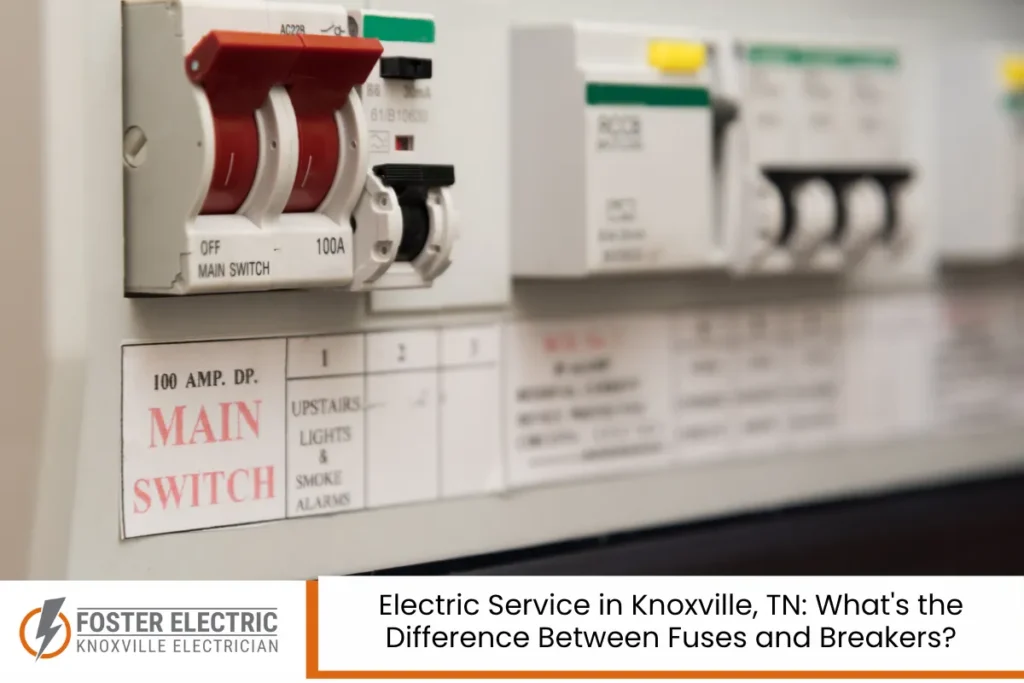
These are especially important in older homes and buildings. An outdated service panel can cause power outages and even fires. A new electrical panel with cover ensures safe power distribution.
- Power meter and service connection work
Electricians help link your building to the power company safely and legally, managing hookups for power line transmissions and ensuring power meters are reading correctly.
Electrical Installation Services
Electricians install a wide range of systems and devices that go way beyond basic outlets:
- Lighting Fixtures and Systems
- Indoor & outdoor lighting systems
- Landscape lighting
- Security lighting
- Pool lighting
- Smart lighting upgrades
- Power Supply Equipment
- Backup generators
- Solar panels
- EV chargers
- Appliance & Fixture Installations
- Ceiling fans, ovens, washing machines
- Home automation features
- Electric water heaters
They’ll even plan your panel location and integrate everything into one safe electrical control panel setup.
Electrical Repair and Maintenance Services

Sometimes electrical systems break down. When that happens, you’ll want a licensed electrician who knows how to fix things safely and fast.
Here’s what repair and maintenance usually involves:
- Electrical troubleshooting
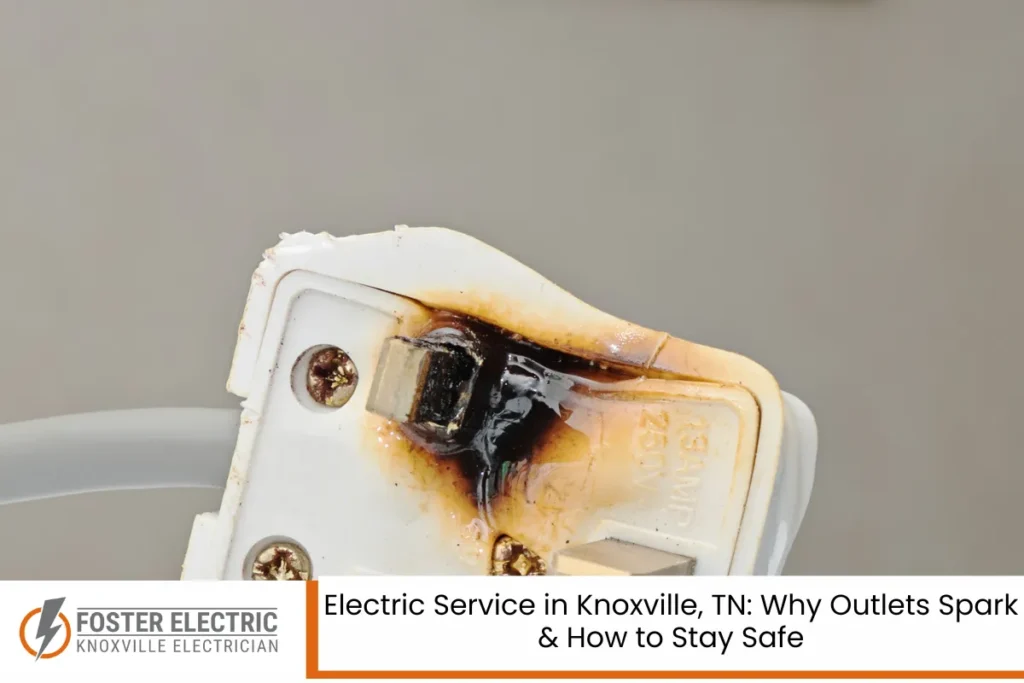
- Fixing faulty wiring and burned outlets
- Replacing or repairing electrical panels
- Adding surge protection
- Checking and replacing outdated wiring
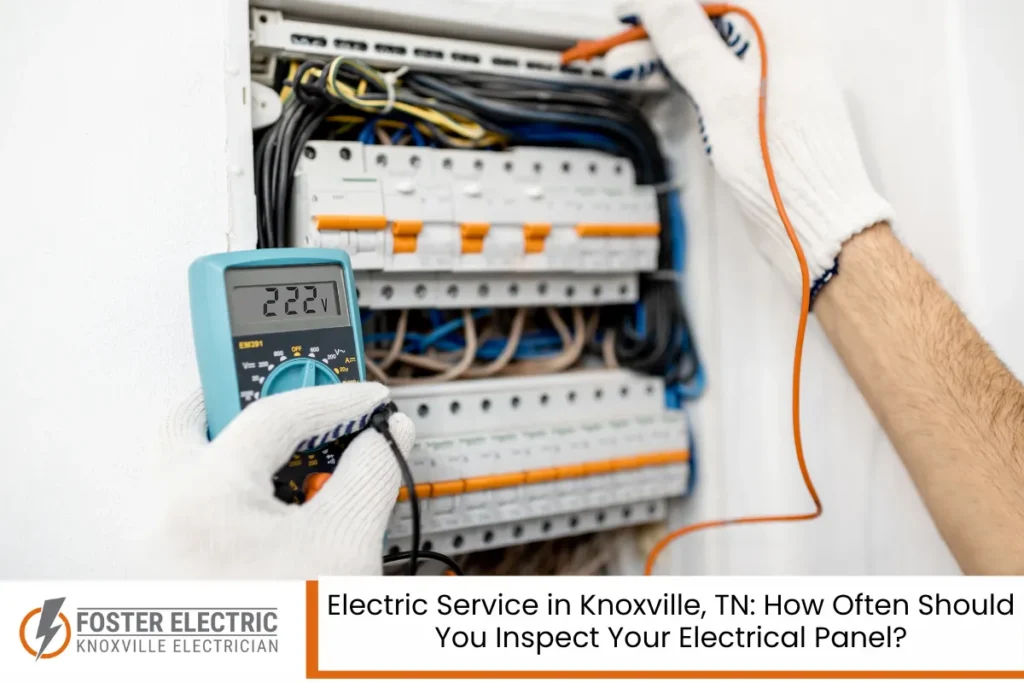
- Routine inspections and testing
- Ongoing electrical system servicing for commercial projects and industrial buildings
This is where maintenance electricians shine. They make sure your power stays on, your lighting systems work right, and you’re not violating any building codes.
Specialized and Emerging Electrical Services
As technology advances, so do the jobs of electrical technicians. Many now handle services like:
- Smart home integration
- Energy efficiency upgrades
- Home office setups
- EV charger installation
- Solar energy storage and battery systems
- Wiring for industrial projects with automation systems
In these areas, you’ll often find electro-mechanical technicians, master electricians, or entire teams working on larger projects or complex projects in commercial buildings or industrial properties.
Why You Might Need Electrical Services

Not sure when to call an electrician? You’re not alone. A lot of residential property owners, commercial property owners, and even industrial property owners aren’t sure when it’s time to bring in a pro.
Here are some of the most common reasons you might need electrical services:
Common Situations That Require Electricians
- Power outages that aren’t caused by the weather
- Flickering or dimming lights, especially when appliances are in use
- Warm outlets or burning smells near electrical devices
- Frequent tripping breakers in your circuit panel
- Outdated wiring that can’t keep up with today’s tech
- Remodeling, adding a new room, or building an extension
These signs may seem small, but they often point to larger electrical projects that require the skills of a licensed electrician.
Safety and Compliance
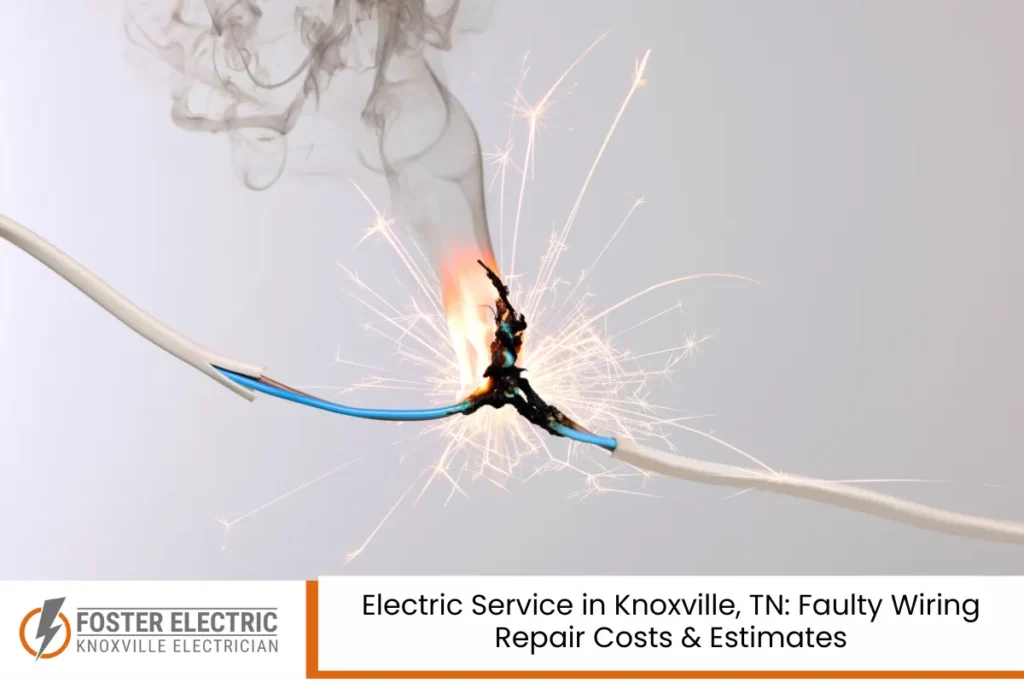
Electrical systems are not something to take lightly. Poor wiring or an overloaded breaker panel can create a safety hazard, especially in older residential wiring setups or overloaded commercial projects.
Here’s what electricians do to keep you safe:
- Replace faulty wiring
- Perform electrical inspections
- Follow safety practices and safety protocols
- Ensure work meets building codes
- Use materials that match your power distribution systems
Whether it’s a small fix or a large-scale project, these professional electricians bring extensive safety training to every job.
Emergency and On-Demand Services
Sometimes things go wrong without warning. That’s when emergency electrical services become essential.
Electricians can help with:
- Sudden power outages
- Flood or storm-related electrical damage
- Burning smells or smoke near outlets
- Popping sounds from panels or switches
Having a team of installation technicians or a trusted electrical contractor on speed dial ensures your family or business stays protected.
Choosing the Right Electrician

Not all electricians are the same. Choosing the right one depends on the kind of work you need and the kind of building you’re in.
Types of Electricians
Here’s a breakdown of the different experts who might work on your project:
- Residential electricians – Work on homes, apartments, and residential properties
- Commercial electricians – Handle commercial buildings and office buildings
- Industrial electricians – Specialize in factories and industrial buildings
- Maintenance electricians – Keep systems running over time
- Master electricians – Have top certifications and can lead big projects
- Automotive electricians – Focus on cars, trucks, and EV systems
Large or complex projects—like those in industrial properties or commercial properties—may require electro-mechanical technicians or multi-person crews.
What to Look for When Hiring
Hiring the right electrical technician means asking the right questions:
- Are they a licensed electrician?
- Do they have experience with your type of project?
- Can they show proof of insurance?
- Are they trained in safety regulations?
- Can they handle panel upgrades, solar panels, or smart technology?
Always check online reviews, certifications, and local listings before hiring for any electrical project.
Cost of Electrical Services

When it comes to electrical work, the cheapest option isn’t always the best—or the safest.
Here are some things that affect the price of electrical services:
Factors That Affect Cost
- Size of the project (residential, commercial, or industrial)
- Type of work (repair vs. full installation)
- Location of your panel or panel location
- Need for a panel upgrade or new circuit panel
- Emergency or after-hours services
- Equipment required (like solar panels, smart devices, or specialty lighting systems)
Average Service Examples
Here’s a rough idea of common service costs:
| Service | Estimated Cost Range |
| Electrical inspection | $100 – $250 |
| Panel upgrade (service panel) | $1,000 – $3,000 |
| New lighting fixtures | $150 – $800 per fixture |
| Landscape lighting installation | $1,000 – $5,000 |
| Wiring a room | $500 – $2,500 |
| Emergency call-out | $150 – $400 |
Prices may vary based on building size, materials, and local regulations.
Keeping Your Property Powered, Safe, and Future-Ready
Understanding electric service isn’t just for professionals. Whether you’re updating a light switch, installing solar panels, or managing electrical control panels in a large industrial property, it’s smart to know what an electrical contractor can do.
From residential wiring to full-blown commercial projects, professional electricians keep our world running — safely, efficiently, and reliably. They follow safety practices, respect building codes, and bring the knowledge needed to power everything from your refrigerator to massive power distribution systems.
So next time you see flickering lights, feel a warm outlet, or plan to install a new appliance, remember: it’s not just about fixing a problem—it’s about protecting your home, your business, and your future.
Knoxville Electric Service – Foster Electric

Looking for reliable electric service in Knoxville, Tennessee? At Foster Electric, we deliver expert electrical solutions with honesty, speed, and precision. Whether you need electrical panel upgrades, lighting installation, or a full electrical system installation, our licensed electricians are ready to handle residential, commercial, and industrial projects of any size. From emergency repairs to energy-efficient upgrades, Foster Electric ensures your property stays safe and powered.
Proudly serving Knoxville and surrounding areas, we offer dependable service backed by years of hands-on experience. Don’t wait for a small issue to become a major problem. Call us today at (865) 246-7037 or fill out our online contact form. Let Foster Electric power your peace of mind.
Frequently Asked Questions (FAQ)
What are the most common electrical services?
The most common electrical services include a variety of tasks essential for homes, businesses, and industrial facilities. One of the top services is electrical wiring, which includes installing and replacing wiring systems in buildings during construction or remodeling. Electricians also perform electrical panel upgrades, ensuring the breaker box and circuit breakers meet power demands and follow current electrical codes.
Other services include:
- Installation of lighting fixtures
- Security systems integration
- Control circuit installation for electrical motors
- Service upgrade for older electrical equipment
- Preventive maintenance and safety checks
Each task supports the safety and functionality of the electrical system installation on the premises.
When should I call an electrician instead of DIY?
While some tasks like replacing a lightbulb seem safe, anything beyond that should involve a trained electrician. DIY electrical work, especially involving electrical wiring, circuit breakers, or electrical upgrades, risks property damage and serious safety issues. If you experience flickering lights, exposed wires, or need a service upgrade, call a professional.
Call an electrician when:
- Installing household appliances needing dedicated circuits
- Performing electrical panel upgrades
- Adding or repairing electrical fixtures
- Addressing blown fuses or buzzing breaker box sounds
Licensed electrical workers go through apprenticeship programs and receive specialized training, giving you peace of mind the job is done right.
What’s the difference between residential and commercial electricians?
Residential electricians work mainly on homes, managing electrical appliances, lighting fixtures, and wiring systems specific to household needs. Their tasks often include solar panel installation, updating electrical wiring, and troubleshooting electrical issues in single-family houses or apartments.
In contrast, commercial services require commercial experience and involve work in construction sites, offices, and businesses. Commercial electricians handle:
- Larger electrical equipment
- More complex electrical power demands
- Compliance with stricter electrical codes
- Control circuit installation for commercial machines
They often install service equipment and work on power transmission infrastructure for business owners or industrial facilities.
Can electricians help with energy efficiency?
Yes, electricians play a crucial role in making properties energy efficient. They help with electrical upgrades like LED lighting and installation of lighting fixtures that reduce power usage. They also install solar panel installation systems, connecting them to your electrical system installation to create a new source of electricity.
Ways electricians support energy efficiency:
- Installing dedicated circuits for efficient electrical appliances
- Upgrading outdated electrical wiring
- Adding programmable thermostats and smart systems
- Conducting energy audits on electrical equipment
Through these solutions, they lower utility bills, improve safety, and help meet modern electrical codes for green energy.
Is it safe to upgrade an electrical panel myself?
No, upgrading a panel without proper training is dangerous. A breaker box connects your home to the source of electricity, and mistakes can result in injury, fire, or violation of electrical codes. Electrical panel upgrades must be done by licensed electrical workers who have hands-on experience and understand service equipment setup.
Why it’s not safe:
- Risk of electrocution
- Possible property damage
- Damage to electrical appliances
- Unnoticed safety issues during the upgrade
Installation electricians and journeymen electricians receive training through apprenticeship programs, making them qualified to work safely under all licensing requirements.
What is a GFCI outlet and do I need one?
A Ground Fault Circuit Interrupter (GFCI) outlet protects against electrical shock by cutting off power when it detects a problem in the circuit. It’s required by electrical codes in areas with water, like kitchens, bathrooms, and outdoor outlets. Electricians often install these during remodels or electrical upgrades.
You need a GFCI outlet:
- Near sinks or bathtubs
- On patios or outdoor walls
- In garages or laundry rooms
Installing them enhances safety issues prevention and helps business owners and homeowners avoid electrical issues caused by moisture. They also protect household appliances and valuable electrical equipment from damage.
How do I know if my home’s wiring is outdated?
Old or unsafe electrical wiring can lead to serious safety issues. If your home is over 30 years old and hasn’t had a service upgrade, chances are the wiring is not up to current electrical codes. Watch out for buzzing sounds, warm outlets, or flickering lights.
Signs of outdated wiring:
- Frequent tripped circuit breakers
- Visible damage or fraying
- Lack of dedicated circuits
- Aluminum wiring in older homes
Licensed electrical workers can inspect and recommend updates. Many of them learn how to detect outdated wiring through apprenticeship programs and specialized training in residential diagnostics.
Do electricians install EV chargers and solar connections?
Yes, many installation electricians now specialize in green tech. They offer solar panel installation for homes and industrial facilities, integrating the system with your electrical system installation and existing service equipment. They also install EV charging stations, often requiring dedicated circuits and breaker box adjustments.
These services include:
- Safe connection to the source of electricity
- Compliance with electrical codes
- Upgrades to existing electrical wiring
- Load balancing for new electrical equipment
Whether you’re a homeowner or part of the construction industry, having the right setup ensures efficiency, safety, and long-term performance of your energy systems.
Are emergency electrician services expensive?
Emergency services are generally more expensive than regular visits because of the urgency, time of day, and risks involved. The price may also depend on the complexity of the electrical issues and the age of your electrical system installation.
Costs vary based on:
- Time (night/weekend = higher cost)
- Type of issue (electrical panel upgrades, breaker box failure, etc.)
- Location and accessibility
- Special tools or specialized equipment needed
However, the cost is worth it to prevent property damage, fire, or loss of electrical power. A professional response offers peace of mind and ensures compliance with all licensing requirements.
How can I check if an electrician is licensed and insured?
Verifying electrician licenses is easy and crucial. First, ask the electrical company or individual for their license number. Then, search your state’s licensing board website for verification. This ensures they’ve completed apprenticeship programs, passed exams, and met licensing requirements.
To check:
- Confirm insurance (liability + worker’s comp)
- Ask about experience level and past projects
- Look for commercial experience or work on construction sites
- Request references or reviews
Licensed electrical workers follow electrical codes, use safe service equipment, and have the right specialized training to handle your electrical system installation correctly.
Read:
What to Expect During a Professional Electric Service Visit
Common Electric Service Problems in Your Home and How to Solve Them