
Electric service problems can begin with a faint buzzing outlet, an occasional flicker, or a breaker that trips for no obvious reason. These symptoms may seem minor, but damaged conductors, loose connections, overloaded circuits, and aging components can create shock hazards, equipment damage, or an electrical fire. Delaying an inspection may allow heat and deterioration to spread behind walls where the problem cannot be seen. Faulty wiring repair in Knoxville may cost a few hundred dollars for an isolated defect or several thousand for extensive rewiring, depending on access, materials, code requirements, and labor. This guide explains realistic price ranges, warning signs, inspection procedures, permitting considerations, and the questions homeowners should ask before authorizing repairs, helping you make a safe, informed decision without paying for unnecessary work.
What Faulty Wiring Repair Typically Costs in Knoxville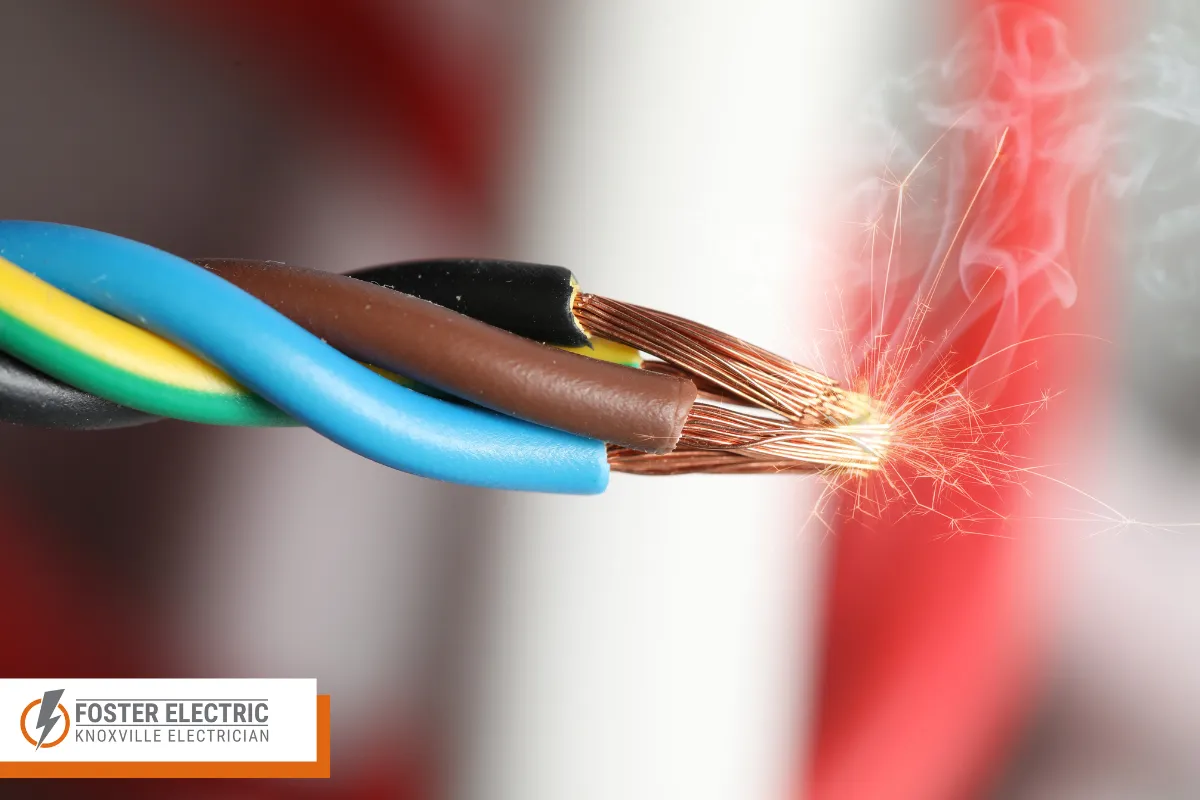
There is no single flat rate for wiring repair because “faulty wiring” can describe anything from one loose terminal to deteriorated conductors throughout a house. A straightforward repair may require only a replacement device and an hour of labor. A concealed fault may require extensive testing, wall access, new cable, updated protection, and an inspection.
Homeowners can use the following national cost ranges as general planning figures:
| Type of work | Typical planning range |
| Diagnostic visit or service call | $100–$300 |
| Standard outlet repair or replacement | $60–$250 |
| Switch replacement | $100–$300 |
| GFCI receptacle replacement | $130–$320 |
| Circuit-breaker replacement | $100–$200 |
| Repairing a loose panel connection | $100–$400 |
| Replacing a short section of damaged cable | $200–$800 |
| Adding or replacing a dedicated circuit | $500–$2,000 |
| Partial rewiring | $1,500–$6,000 |
| Extensive or whole-home rewiring | $4,000–$15,000 or more |
| Electrical panel replacement or major upgrade | $1,000–$4,000 or more |
Published consumer cost guides commonly place standard outlet repairs around $60 to $250. Simple breaker-panel corrections may begin near $100 to $200, while complete panel replacement can reach several thousand dollars. Whole-house rewiring has an especially broad range because the home’s size, layout, finish materials, and accessibility substantially affect labor.
These figures are not guaranteed Knoxville quotes. They are useful starting points for budgeting before an electrician examines the property. Local labor conditions, permit charges, emergency scheduling, material specifications, and the extent of hidden damage can move an estimate above or below a published average.
Why a Small Symptom Can Produce a Larger Estimate
A burned receptacle may appear to be a one-device problem. After removing it, however, a technician might find brittle insulation, heat-damaged conductors, an improperly sized breaker, or loose connections extending into another junction box.
The visible failure is sometimes only the weakest point in a longer circuit. A responsible estimate should address the underlying cause rather than simply installing a new faceplate or receptacle over damaged wiring.
For example, an outlet replacement could become a more involved project when:
- The electrical box is cracked or undersized.
- The cable insulation has melted.
- The circuit does not have an effective grounding path.
- The branch circuit is overloaded.
- Aluminum conductors require an approved repair method.
- Moisture has entered the box.
- Multiple downstream receptacles are affected.
- Wall or ceiling access is required.
- Current code provisions apply to the altered work.
An estimate that changes after troubleshooting is not automatically unreasonable. The contractor should nevertheless explain what was discovered, why the scope changed, and which corrections are necessary for safety.
Warning Signs That Deserve Prompt Attention
Electrical systems often provide warning signs before a complete failure. Homeowners should avoid repeatedly resetting a breaker or replacing a device without determining why the problem occurred.
Burning Odors, Smoke, or Scorch Marks
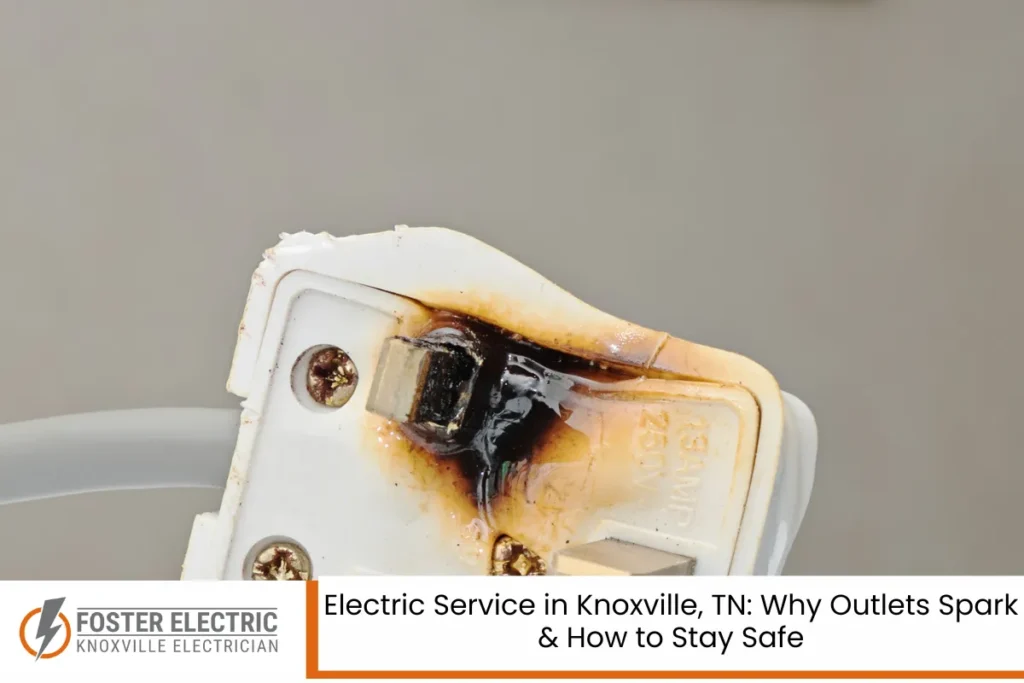
A hot-plastic odor, smoke, blackened receptacle, or brown discoloration can indicate overheating. Turn off the affected circuit when it is safe to do so and arrange professional evaluation.
Do not continue using a scorched outlet because it still supplies power. Electrical contact points can remain energized while producing enough resistance to generate dangerous heat.
Call emergency services when there is active fire, visible smoke that continues after power is disconnected, or any immediate threat to occupants. Leave the building rather than attempting to investigate energized equipment.
Frequent Breaker Trips
Circuit breakers are protective devices, not inconvenient switches that should be reset indefinitely. A breaker may trip because of:
- A circuit overload
- A short circuit
- A ground fault
- A defective appliance
- A loose connection
- Damaged cable
- A failing breaker
- Moisture intrusion
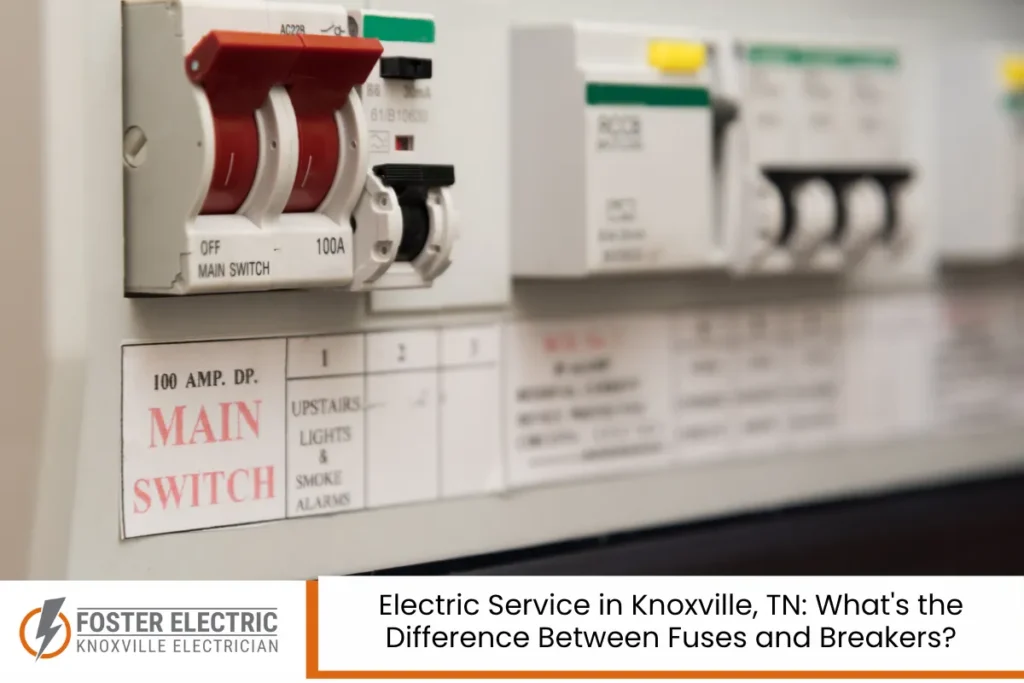
Note what was operating when the trip occurred, but do not remove the panel cover or attempt internal testing. The service panel contains components that can remain energized even when the main disconnect is switched off.
Flickering or Dimming Lights
A brief change when a large appliance starts does not always indicate a serious defect. Persistent flickering, lights that brighten and dim unpredictably, or fluctuations affecting several rooms warrant evaluation.
Possible causes include a loose neutral conductor, poor splice, overloaded circuit, damaged service equipment, or a utility-side issue. Because a loose neutral can create damaging voltage fluctuations, widespread symptoms should not be ignored.
Buzzing, Crackling, or Popping
Properly operating receptacles and switches should not produce crackling sounds. Noise may indicate arcing, loose terminals, worn contacts, or an unstable connection.
An electrical arc can reach extremely high temperatures. Stop using the device and have the affected circuit inspected instead of tightening accessible screws while it remains energized.
Warm Outlets and Switch Plates
Some controls, including certain dimmers, may feel mildly warm during normal operation. Ordinary receptacles, switches, and wall plates should not become unusually hot.
Heat may result from poor contact, excessive load, internal device failure, or damaged conductors. Disconnect plugged-in equipment and arrange an inspection when a device feels hot, smells unusual, or shows discoloration.
Shocks and Tingling Sensations
A shock from an appliance, switch, sink, fixture, or metal enclosure may indicate a grounding defect, damaged insulation, reversed wiring, or leakage current. Stop using the equipment immediately.
Even a mild tingling sensation is not a normal household condition. The danger can increase in kitchens, bathrooms, garages, crawl spaces, and outdoor locations where moisture lowers the body’s resistance.
What Determines the Final Repair Price?
An electrical contractor develops a reliable estimate by examining the defect, circuit configuration, accessibility, required materials, and applicable permit or inspection rules.
Diagnostic Time
Intermittent failures are often harder to trace than completely dead circuits. The technician may need to test voltage, continuity, polarity, grounding, breaker performance, and connections at several points.
Diagnostic charges compensate for the time and equipment required to isolate the cause. Ask whether the initial fee includes a set amount of troubleshooting and whether any portion will be credited toward an approved repair.
Location of the Damage
Accessible wiring in an unfinished basement or attic is usually less expensive to replace than cable concealed behind tile, cabinetry, plaster, or finished ceilings.
Labor rises when the electrician must:
- Trace an undocumented circuit.
- Move stored belongings or insulation.
- Open finished surfaces.
- Drill through framing.
- Fish cable through enclosed cavities.
- Install approved boxes and supports.
- Coordinate drywall, painting, or carpentry repairs.
The electrical proposal may not include restoration of wall coverings. Request written clarification so that you can budget for every trade involved.
Length and Type of Cable
Replacing two feet of damaged conductor differs substantially from replacing an entire branch circuit. Cable type, conductor size, temperature rating, installation method, and required protection all affect material and labor costs.
A larger load may require heavier conductors and a compatible breaker. Outdoor, underground, wet-location, and exposed installations may need specialized cable, conduit, fittings, or weather-resistant equipment.
Age and Condition of the System
Older homes can contain previous alterations completed under different code editions—or without proper workmanship. The repair area may reveal crowded boxes, missing grounding conductors, deteriorated insulation, obsolete components, or unsafe splices.
Old wiring does not automatically require total replacement. Its condition, design, and ability to serve present loads should be evaluated. Targeted repairs may be reasonable when the remaining system is sound; widespread deterioration may justify partial or complete rewiring.
Permit and Inspection Requirements
The City of Knoxville currently lists the 2023 National Electrical Code, with local amendments, among its adopted construction standards. The city explains that these requirements establish minimum safeguards for people and property rather than serving as instructions for untrained individuals.
Permit requirements depend on the property’s jurisdiction and project scope. A device-only repair may be treated differently from a service change, panel replacement, new circuit, or major rewiring project. Newly installed wiring should not be concealed before required inspections are completed.
For addresses handled through Knoxville Utilities Board’s electrical-permit program, the utility publishes permit fees by service capacity and notes that each service address requires a separate permit. Its current schedule includes a $5 handling fee, although pricing can change.
Do not assume every Knoxville mailing address falls under the same permitting office. The contractor should identify the authority having jurisdiction before work begins.
Emergency and After-Hours Scheduling
Evening, weekend, and holiday calls usually cost more because the company must dispatch personnel outside standard operating hours. An emergency premium can be worthwhile when there is active arcing, smoke, severe storm damage, loss of critical power, or exposed energized wiring.
A nonhazardous issue isolated to one circuit may sometimes be safely disconnected until regular business hours. The appropriate response depends on the symptoms, so describe them accurately when calling.
Read Electric Service in Knoxville, TN: How to Fix a Dead Outlet
How a Professional Wiring Inspection Proceeds
A qualified electrician should begin with questions rather than immediately recommending extensive replacement. Details about when the problem began, which devices were operating, and whether recent remodeling occurred can shorten diagnostic time.
Step 1: Reviewing the Symptoms
Prepare a concise record of the issue:
- Which rooms or devices are affected?
- Does the problem happen continuously or intermittently?
- What causes the breaker to trip?
- Are there odors, heat, sparks, or noises?
- Has water entered the area?
- Was any recent work completed?
- Is the issue limited to one circuit?
Avoid recreating a dangerous condition merely to demonstrate it. Photographs of previous discoloration or damage can help without reenergizing defective equipment.
Step 2: Inspecting Accessible Components
The technician may inspect receptacles, switches, light fixtures, junction boxes, grounding connections, breakers, and service equipment. Visible evidence can include damaged insulation, loose terminals, corrosion, improper splices, overheated conductors, or incompatible components.
Panel interiors should only be accessed by trained personnel using proper precautions. Switching off the main breaker does not necessarily deenergize every component inside the enclosure.
Step 3: Performing Electrical Tests
Depending on the symptoms, testing may include:
- Voltage measurements
- Polarity verification
- Grounding and bonding checks
- Circuit tracing
- Load evaluation
- Breaker testing
- Insulation-resistance testing
- Thermal inspection
- GFCI or AFCI functional testing
Not every project requires every test. The electrician should select procedures that match the suspected failure.
Step 4: Defining the Repair Boundary
Once the defect is located, the technician should determine how much material must be removed or replaced. Heat damage often extends beyond the point that appears burned.
A sound repair reaches clean, undamaged conductor and uses listed components installed according to their instructions. Concealed splices must remain in approved, accessible enclosures rather than being buried inside a wall.
Step 5: Testing the Completed Work
After the repair, the circuit should be reassembled, energized, and tested under appropriate conditions. Required inspections must also be completed before concealed work is covered.
Ask what was repaired, what caused the failure, and whether additional defects were observed. Documentation is especially useful for insurance records, future remodeling, and a later home sale.
Common Faults and Their Likely Repair Scope
Loose Receptacle or Switch Connections
Loose connections create resistance, and resistance produces heat. The repair may involve replacing the device, trimming damaged conductor, correcting the termination, and checking nearby devices on the circuit.
The cost remains relatively low when damage is confined to one accessible box. It increases if overheating has affected the cable beyond the enclosure.
Damaged Branch-Circuit Wiring
Nails, screws, rodents, water, overheating, and improper installation can damage cable inside a wall or attic. A technician may install an accessible junction box and replace the affected section, or run a new cable between suitable points.
Routing options matter. A slightly longer path through an attic or crawl space can sometimes reduce drywall disturbance and total project cost.
Ungrounded or Improperly Wired Receptacles
A three-slot receptacle does not prove that an effective grounding path exists. Testing may reveal an open ground, reversed polarity, bootleg ground, or other improper configuration.
The appropriate correction depends on the existing wiring method and intended use. It may involve restoring the grounding path, installing properly protected equipment where permitted, or replacing a circuit. Simply installing a modern receptacle does not correct defective wiring behind it.
Failed Breakers and Panel Defects
A breaker may fail mechanically or electrically, but repeated tripping is more often a symptom than the root cause. The circuit should be evaluated before a new breaker is installed.
Panel work may expand when the enclosure contains corrosion, overheating, damaged bus connections, unsupported conductors, improper breaker types, or insufficient capacity. These conditions can turn an isolated repair into a larger safety project.
Outdated or Deteriorated Wiring
A home may need partial rewiring when problems are concentrated in an addition, kitchen, finished basement, or frequently overloaded area. Whole-home rewiring may be considered when insulation is broadly deteriorated, unsafe alterations are widespread, grounding is inadequate, or the current system cannot reasonably support the home’s loads.
The recommendation should be based on observed conditions—not the building’s age alone.
Knoxville Code, Licensing, and Permit Considerations
Safe work requires more than making the lights turn on. Materials, conductor sizes, boxes, grounding, overcurrent protection, and installation methods must be appropriate for the circuit and environment.
The Code Edition Matters
Knoxville’s adopted standards include the 2023 National Electrical Code with local amendments. Projects reviewed by the city are evaluated under its current adopted requirements and applicable policies.
Requirements commonly associated with modern residential work include GFCI protection in designated locations, arc-fault protection for qualifying circuits, tamper-resistant receptacles in dwelling areas, proper grounding and bonding, working clearances, box-fill limits, and compatible overcurrent protection.
Whether a provision applies to an existing installation depends on the work being performed, local amendments, and the inspector’s authority. A professional should not claim that one minor repair automatically requires an unrelated whole-house renovation without explaining the code basis.
Contractor Credentials Depend on Project Scope
Tennessee requires a state contractor license before bidding or contracting when a project’s total cost is $25,000 or more. Smaller projects may fall under separate local or limited licensing requirements, depending on the work and jurisdiction.
Homeowners should confirm that the company holds the credentials required for the proposed scope. Insurance coverage is also important because licensing alone does not replace general liability or workers’ compensation protection.
Permit Responsibility Should Be Written Down
The proposal should state who will obtain the permit, schedule inspections, correct inspection findings, and close the permit. When the contractor is responsible, permit charges should be itemized or clearly included in the price.
Be cautious when someone insists that required work should remain unpermitted solely to reduce the cost. Unapproved installations can create safety concerns and complications during insurance claims, remodeling, or property transactions.
How to Compare Electrical Repair Estimates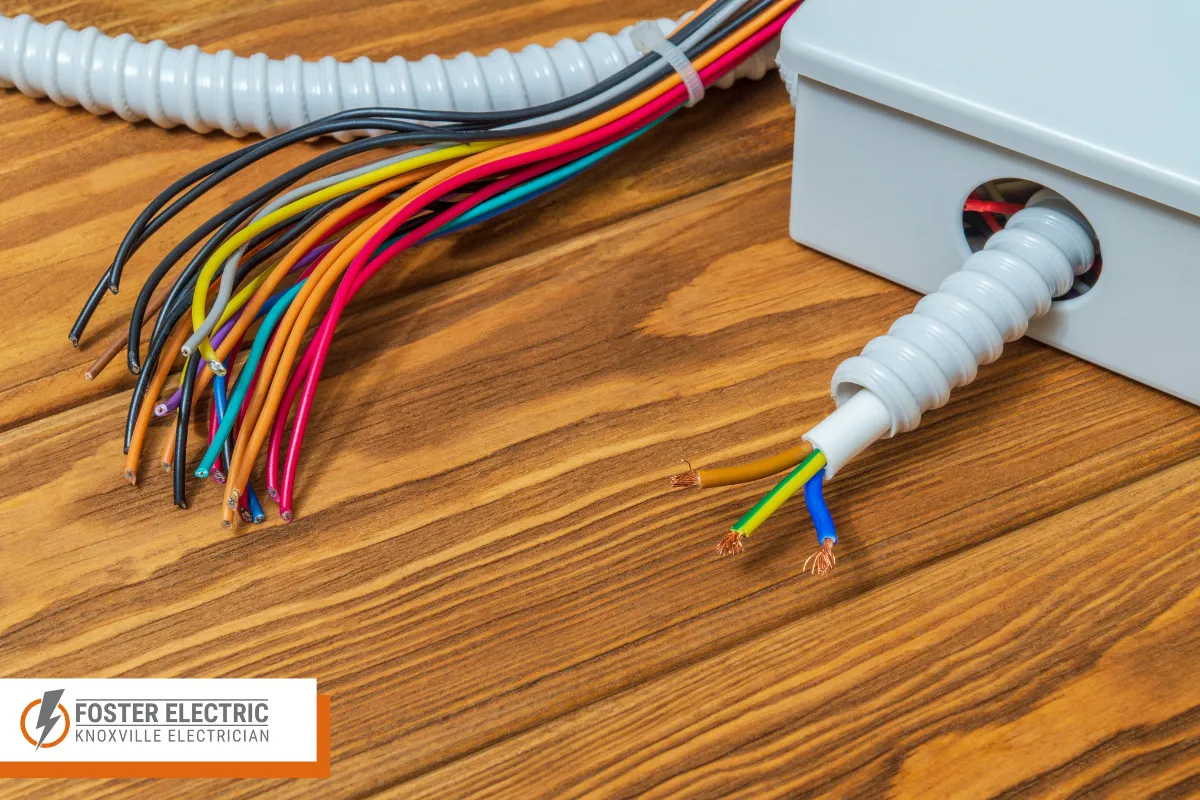
The lowest number is not always the least expensive outcome. A vague quote may omit diagnosis, permits, wall repair, upgraded protection, or final testing.
Compare proposals using the same scope.
A Useful Estimate Should Identify
- The diagnosed or suspected defect
- Circuits and areas included
- Labor included in the base price
- Materials and equipment
- Permit and inspection responsibility
- Wall-access expectations
- Cleanup and debris removal
- Warranty terms
- Exclusions and possible additional costs
- Payment schedule
- Estimated project duration
A fixed price provides predictability when the defect is known. Time-and-material pricing may be appropriate for an intermittent or concealed problem that cannot be fully assessed beforehand.
Ask About Allowances and Change Orders
An allowance is an estimated amount reserved for work or materials that remain uncertain. A change order documents a modification after the original agreement.
Ask the contractor to obtain authorization before exceeding an allowance, except when immediate action is necessary to eliminate an active danger. Written approvals help prevent confusion over discoveries made after walls or equipment are opened.
Request Alternatives When They Are Safe
Some projects have more than one code-compliant approach. An electrician might be able to repair one circuit, reroute cable through an accessible space, separate overloaded loads, or recommend a larger modernization project.
Ask which option addresses the immediate hazard, which improves long-term reliability, and which prepares the home for future demand. A useful contractor explains the tradeoffs without pressuring you into features unrelated to the failure.
Reducing Costs Without Compromising Safety
Electrical work is a poor place to save money through unqualified labor or hidden splices. Homeowners can still control costs through planning and clear communication.
Group Nonurgent Repairs
Service-call minimums can make one small device replacement relatively expensive. When there is no immediate hazard, combine several documented issues into one appointment.
Prepare a room-by-room list of loose receptacles, failed switches, flickering fixtures, and labeling questions. Do not delay a burning odor, shock, hot device, or active arcing to create a larger list.
Improve Access Before the Appointment
Clear furniture, storage, and belongings away from the panel and affected devices. Provide safe access to attics, crawl spaces, and utility rooms when relevant.
Do not remove covers, pull devices from boxes, or disturb insulation around wiring. The goal is to improve physical access without exposing energized components.
Separate Electrical Work From Finish Restoration
Ask whether the company includes drywall patching, painting, tile repair, or cabinetry work. In some cases, arranging finish restoration separately provides clearer pricing.
Coordinate schedules so required inspections occur before openings are closed.
Invest in Diagnosis Before Choosing a Major Upgrade
A diagnostic visit can prevent unnecessary rewiring or reveal that a seemingly minor problem is more extensive. Pay for evidence-based troubleshooting rather than choosing a repair solely from symptoms described over the phone.
Building a Realistic Wiring-Repair Budget
For an isolated device problem, plan for the service call, replacement components, and labor. For a concealed-cable repair, add the possibility of diagnostic time and wall restoration. For partial or complete rewiring, account for permits, inspections, access openings, temporary disruption, and finish repairs.
A practical budget may include a contingency of 10% to 20% for concealed conditions on older or heavily altered properties. This does not mean the contractor should automatically spend the contingency. It provides room for documented damage that could not reasonably be seen before work began.
Consider the value of the correction as well as its price. Proper wiring protects occupants, appliances, electronics, and the building itself. It can also improve reliability and reduce the chance of recurring service calls.
Safer Decisions Start With a Clear Diagnosis
Faulty wiring repair costs in Knoxville range from relatively inexpensive device corrections to substantial rewiring projects. The decisive factors are the location and extent of damage, accessibility, system condition, materials, labor, and required permits or inspections.
Treat burning odors, shocks, scorched devices, active arcing, and repeated unexplained breaker trips as safety warnings rather than ordinary inconveniences. Turn off the affected circuit when it can be done safely, keep people away from damaged equipment, and obtain professional assistance.
A trustworthy estimate should connect every recommended item to an observed condition or applicable requirement. By requesting a written scope, checking credentials, confirming permit responsibility, and comparing equivalent proposals, homeowners can make a cost-conscious decision without sacrificing safety.
Electric Service in Knoxville, TN – Foster Electric
At Foster Electric, we provide dependable electric service for Knoxville homes and properties throughout prominent surrounding areas. Our team investigates flickering lights, tripping breakers, damaged outlets, burning odors, outdated wiring, and other warning signs before recommending an appropriate repair. We explain our findings, outline the expected scope, and help customers understand the factors affecting their estimate. Whether you need targeted troubleshooting, wiring repairs, circuit improvements, or an evaluation of aging equipment, we approach every project with safety, workmanship, and clear communication in mind. Do not let a suspicious electrical symptom develop into a larger hazard. Call Foster Electric at (865) 246-7037 or fill out our contact form to request service. We are ready to help restore safe, reliable power to your Knoxville property.
Frequently Asked Questions
Can faulty wiring increase my monthly electricity bill?
Faulty wiring does not always create a noticeable increase, but certain defects can waste energy or cause equipment to operate inefficiently. Loose connections generate resistance and heat, while damaged circuits may contribute to voltage irregularities that affect motors, appliances, or lighting. A sudden bill increase can also result from weather, rate changes, failing appliances, or altered usage, so the bill alone cannot diagnose wiring. Compare recent consumption with the same season from prior years and note any electrical symptoms. An electrician can test the affected circuits, while the utility can help investigate meter or supply concerns when household wiring appears normal.
Will homeowners insurance pay for faulty wiring repairs?
Coverage depends on the policy, cause of damage, maintenance history, and specific exclusions. Insurance may cover resulting damage from a sudden covered event, such as a fire, while excluding the cost of replacing wiring that deteriorated through age, poor maintenance, or previous improper work. Damage discovered during routine remodeling may also be treated differently from an unexpected loss. Photograph the affected area, protect the property from additional damage, and contact the insurer before extensive demolition when conditions are safe. Do not delay emergency measures needed to prevent injury or fire. Keep the electrician’s diagnosis, invoices, permit records, inspection results, and damaged components when requested.
How long does a typical faulty wiring repair take?
An accessible loose connection or failed device may be corrected during a single visit, often within one or two hours after diagnosis. Concealed faults can take longer because the technician must trace the circuit, identify the damaged section, create safe access, install replacement cable, and test the repair. Partial rewiring may require one or several days, while extensive rewiring can extend longer and involve inspections plus wall restoration. Scheduling also depends on material availability and permit requirements. An estimate should separate diagnostic time from anticipated repair time. Uncertainty is reasonable before concealed areas are opened, but the contractor should communicate delays and scope changes clearly.
Can I remain in my home while rewiring is underway?
Many homeowners remain in place during limited or phased rewiring, but occupancy depends on the project’s scope and the contractor’s safety plan. Power may be unavailable in certain rooms, and electricians may need access to walls, attics, crawl spaces, or the service panel. Extensive work can create noise, dust, open wall sections, and temporary limitations on cooking, heating, cooling, internet access, or security equipment. Families with young children, pets, medical equipment, or mobility concerns may need additional arrangements. Ask which circuits will be disconnected, whether overnight power will remain available, and how work areas will be secured after each shift.
What documents should I keep after the repair is finished?
Keep the signed proposal, approved change orders, paid invoice, warranty information, permit documentation, inspection approvals, and a description of the circuits or components repaired. Photographs taken before and after the work can also be helpful. For larger projects, request an updated panel schedule and retain product information for installed breakers, surge-protection devices, or specialty equipment. Store digital copies where they will remain accessible after a move or computer failure. These records can simplify future troubleshooting, demonstrate that regulated work was inspected, support warranty or insurance questions, and help a future buyer understand improvements made to the property’s electrical system.
Disclaimer: Cost ranges are general planning estimates, not project quotes. Actual pricing and code requirements depend on property conditions, repair scope, jurisdiction, materials, permits, and inspection findings. Consult a qualified electrical professional before authorizing work.
Read Electric Service in Knoxville, TN: How Do Electricians Find Short Circuits?