
Electric service problems often become noticeable when an outlet suddenly stops powering a lamp, charger, appliance, or home-office device. At first, the failure may seem like a minor inconvenience. Then you discover that nearby receptacles are also dead, a breaker will not reset, or the outlet feels unusually warm. Those warning signs can point to anything from a tripped GFCI device to loose wiring, an overloaded circuit, or dangerous heat damage. Fortunately, a careful troubleshooting sequence can help you separate a simple reset from a problem requiring professional attention. This guide explains how to test the appliance, inspect protected outlets, reset the electrical panel correctly, recognize urgent hazards, and decide when a qualified Knoxville professional should diagnose and repair the circuit safely for your family and property.
What a Dead Outlet Is Telling You
A dead outlet is a receptacle that no longer supplies usable power to a connected device. Although the outlet itself may have failed, it is only one component in a branch circuit that can include multiple receptacles, light fixtures, switches, protective devices, wire connections, and a circuit breaker.
That distinction matters. Replacing the visible receptacle will not solve a problem caused by an upstream GFCI, an open neutral conductor, a damaged splice, or a defective breaker.
Common causes include:
- A tripped circuit breaker
- A tripped GFCI receptacle or GFCI breaker
- An overloaded branch circuit
- A loose wire or failed connection
- A worn or damaged receptacle
- A switched outlet controlled from the wall
- A damaged appliance plug or power cord
- An arc fault or ground fault
- Moisture inside an outdoor electrical box
- Damage caused by heat, corrosion, pests, or renovation work
A single dead receptacle may indicate a localized failure. Several dead outlets in the same room often point to a shared circuit problem. Outlets in different rooms can also be connected, especially in older homes or areas protected by one upstream GFCI device.
The City of Knoxville currently lists the 2023 National Electrical Code with local amendments among its adopted construction standards. Local rules therefore matter when wiring is installed, altered, extended, or inspected.
Stop Troubleshooting When These Warning Signs Appear
Basic observation and resetting protective devices can be reasonable, but certain symptoms demand immediate caution. Do not continue experimenting with an outlet when the condition suggests overheating, arcing, or exposed energized parts.
Stop using the circuit and contact an electrician when you notice:
- Smoke or a visible spark from the receptacle
- A burning-plastic or hot-insulation odor
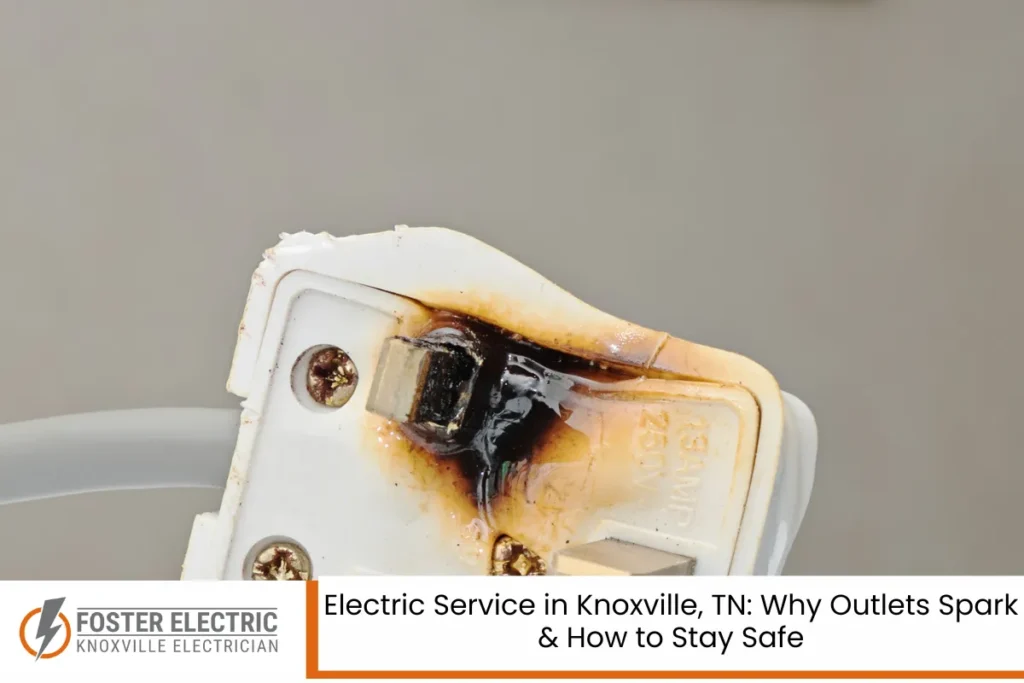
- Black marks, browning, or melted material
- Crackling, sizzling, popping, or buzzing
- A hot faceplate or plug
- A breaker that trips immediately after resetting
- Water inside or around the outlet
- A broken receptacle exposing internal components
- Electrical shock or tingling from an appliance
- Lights that dim sharply when equipment starts
- Aluminum wiring with signs of overheating or loose connections
- Repeated failures affecting the same circuit
Do not touch a smoking or sparking device. Move people away from the area and shut off the affected circuit only when you can reach the panel safely without crossing water, smoke, or visible electrical damage. Call emergency services when fire, active smoke, or immediate danger is present.
Warm, discolored, buzzing, or burned outlets are not normal wear. They can indicate loose contact points or excessive current producing dangerous heat. Frequently tripped breakers, flickering lights, and burning odors are also recognized warning signs of an overloaded or damaged electrical system.
A Safe Troubleshooting Sequence for a Dead Receptacle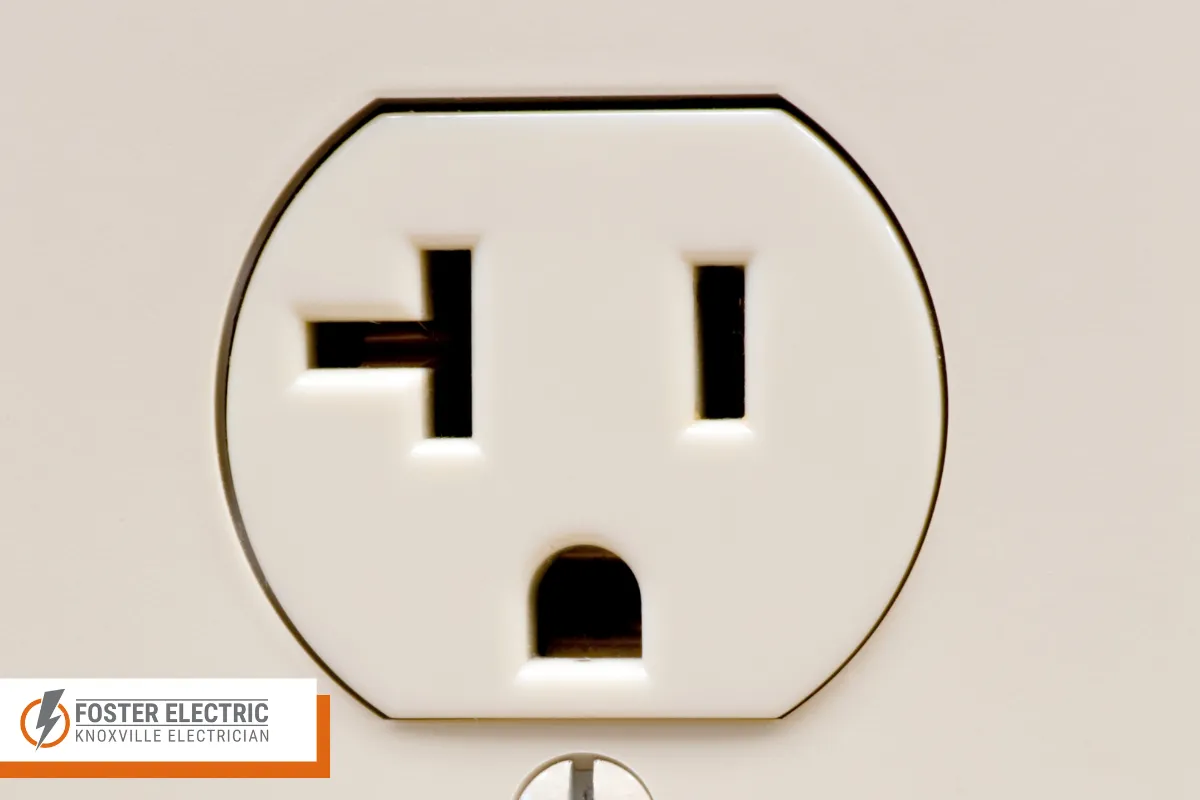
The safest approach begins with checks that do not require removing a faceplate or touching wiring. Work from the connected device toward the protective equipment.
1. Confirm That the Appliance Actually Works
Unplug the lamp, charger, television, or appliance from the dead receptacle. Test it in another outlet that you know is operating.
If the device still does not work, the problem may be:
- A damaged cord
- A failed plug
- An internal appliance defect
- A switched power strip
- A tripped surge protector
- A blown internal fuse
Next, plug a small working lamp or receptacle tester into the suspected outlet. A contactless voltage detector alone cannot confirm that a receptacle can properly carry a load, so a working lamp provides a more meaningful first check.
Avoid testing with a high-demand appliance. A small lamp is easier to control and less likely to overload a weakened connection.
2. Look for a Wall Switch You May Have Missed
Some receptacles are controlled by a wall switch. This arrangement is common in bedrooms, living rooms, and older homes that were designed for switched lamps rather than permanent ceiling fixtures.
Try nearby switches while watching the test lamp. In some installations, only one half of the duplex receptacle is switched. Test both openings before deciding that the outlet has failed.
Do not assume a switch is unrelated because it does not control a visible light. Previous owners may also have altered room layouts without relabeling controls.
3. Check Other Outlets and Fixtures
Determine the boundaries of the problem. Test nearby outlets, ceiling lights, exhaust fans, garage receptacles, and adjacent rooms.
Write down what works and what does not. This circuit map can reveal useful patterns:
- One dead outlet may have a failed receptacle or loose connection.
- Several dead outlets may share a tripped protective device.
- Dead lights and outlets may indicate a branch-circuit interruption.
- Only the upper or lower half of one receptacle may indicate switched wiring.
- An entire area without power may point to a breaker, panel, or utility issue.
Check whether the rest of the home has power. If multiple unrelated circuits are out, examine the main panel from a safe distance and determine whether neighbors are experiencing an outage. A utility interruption will not be corrected by replacing a household receptacle.
4. Search for an Upstream GFCI Receptacle
A ground-fault circuit interrupter is designed to disconnect power quickly when it detects an imbalance that may indicate current traveling along an unintended path. GFCI protection reduces shock risk, particularly where electricity may be used near moisture.
A GFCI receptacle usually has TEST and RESET buttons. One device can protect other standard-looking outlets connected downstream, so the reset button may be in a different location from the dead receptacle.
Check likely areas such as:
- Bathrooms
- Kitchens
- Garages
- Laundry areas
- Basements and crawl-space access areas
- Outdoor walls
- Utility rooms
- Wet bars
- Areas near sinks, tubs, showers, or other water sources
Press RESET firmly. Some models require more pressure than expected and may make a noticeable click. If the button will not remain engaged, unplug everything on the affected circuit and try once more.
Do not repeatedly force a GFCI to reset. A device that immediately trips may be detecting moisture, damaged equipment, incorrect wiring, or an active fault. It may also have reached the end of its useful life.
GFCI protection can be provided by a receptacle or by a breaker in the service panel. A single GFCI receptacle may also protect multiple downstream devices, which explains why an ordinary-looking outlet can lose power after a different receptacle trips.
Why Outdoor Outlets Often Fail After Rain
Outdoor receptacles may stop working when moisture reaches a plug, cover, box, extension cord, landscape-lighting connection, or holiday decoration. The GFCI may be operating exactly as intended.
Disconnect wet equipment and allow the area to dry without applying direct heat. Do not reset the circuit while water remains inside the box or while a damaged cord is connected. A deteriorated cover, missing gasket, corroded receptacle, or poorly sealed enclosure should be evaluated through professional electrical service.
5. Inspect the Breaker Panel Without Removing Its Cover
Stand on a dry floor with dry hands. Open only the panel door. Never remove the dead front or interior cover, because energized components may remain exposed behind it even when an individual branch breaker is off.
A tripped breaker does not always move fully to the OFF position. Its handle may rest between ON and OFF or show a trip indicator.
To reset a standard breaker:
- Unplug devices connected to the affected circuit.
- Move the breaker handle completely to OFF.
- Pause briefly.
- Move it firmly to ON.
- Test the outlet with a small lamp.
Some breakers include TEST buttons because they provide GFCI, AFCI, or dual-function protection. Follow the manufacturer’s operating instructions printed on the panel or device.
Never tape, block, or hold a breaker in the ON position. A breaker that will not reset, feels loose, produces noise, or trips again is signaling a condition that needs investigation.
6. Reduce the Electrical Load
If power returns after resetting the breaker, consider what was operating before the interruption. Portable heaters, hair dryers, countertop cooking equipment, vacuums, power tools, window air conditioners, and similar loads can draw substantial current.
An overload occurs when connected equipment demands more current than the branch circuit is designed to carry. The breaker opens the circuit to help protect the wiring from overheating.
Unplug unnecessary equipment and distribute loads appropriately. Do not solve an overloaded circuit by installing a larger breaker. The breaker rating must coordinate with the conductor size and other system requirements. Increasing the breaker without a proper load and wiring evaluation can remove critical protection.
Heavy appliances should be used according to their listing and manufacturer instructions. Extension cords and power strips are not substitutes for permanent wiring or additional receptacles. Heat-producing appliances are especially poor candidates for light-duty cords and multi-outlet adapters.
7. Check for Obvious Physical Damage
With the circuit left energized only for observation, look at the outlet without touching metal parts or inserting tools.
Warning signs include:
- A cracked face
- Loose movement inside the wall
- A plug that falls out
- Darkened slots
- Melted plastic
- Green or white corrosion
- Moisture staining
- Missing cover screws
- An oversized gap around the electrical box
A plug should fit securely. Loose contact tension can create resistance and heat at the connection point. Stop using a receptacle that no longer grips plugs properly.
Turn off the circuit before touching the faceplate or arranging professional replacement. Do not insert blades, screwdrivers, probes, or improvised objects into an outlet.
Reach Electric Service in Knoxville, TN: Faulty Wiring Repair Costs & Estimates
Why an Outlet Can Stay Dead After the Breaker Is Reset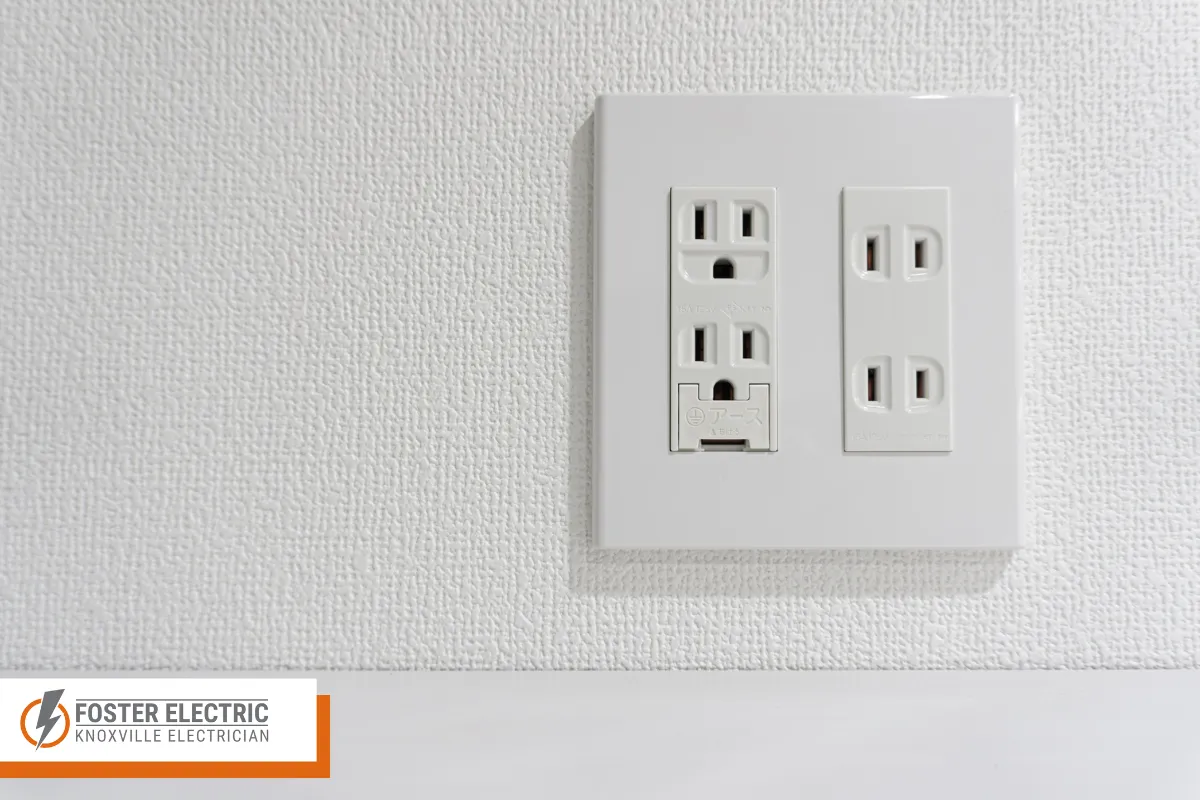
A reset breaker confirms only that its handle has been returned to the operating position. It does not prove that power is traveling through every connection on the branch circuit.
A Loose Connection Upstream
Power may enter one receptacle and continue to additional outlets. If a connection fails at the first device, every downstream device can stop working.
Loose connections may develop from age, vibration, heat cycles, improper installation, damaged conductors, or weakened receptacle terminals. Back-wired push-in connections can also become unreliable, particularly after years of heating and cooling.
Finding the failure requires systematic testing with the circuit de-energized and verified. Because misidentifying conductors can create shock and fire hazards, internal diagnosis is best handled by a qualified electrical contractor.
A Failed Neutral Conductor
A standard 120-volt branch circuit depends on both the ungrounded conductor and the grounded neutral conductor. When the neutral opens, a tester may produce confusing results even though the outlet cannot properly operate a device.
An open neutral can occur in a receptacle box, junction box, panel connection, fixture, or damaged cable. In some multiwire branch-circuit conditions, a compromised neutral may create particularly serious voltage problems. This is not a suitable trial-and-error repair.
A Worn Receptacle
Internal contact springs can weaken with repeated use. Heat damage, corrosion, mechanical stress, or a prior overload may also cause the device to fail.
Replacing a receptacle involves more than matching its appearance. The technician must consider:
- Circuit amperage
- Receptacle rating
- Grounding
- Box fill
- Conductor condition
- Terminal compatibility
- GFCI or AFCI requirements
- Tamper-resistant requirements
- Weather-resistant construction where applicable
- Whether the device is split, switched, or downstream-protected
A one-for-one replacement can still expose unsafe existing conditions that should be corrected before the box is closed.
A Defective Breaker
Circuit breakers can fail mechanically or electrically. A handle may appear to be ON even when the breaker is not delivering power correctly.
Testing inside a panel exposes the worker to energized service equipment and possible arc-flash hazards. Homeowners should not remove the panel cover to test breaker terminals. An electrician has the instruments, protective practices, and training to determine whether the breaker, bus connection, or branch wiring has failed.
Rodent, Fastener, or Renovation Damage
Cables can be damaged by pests, screws, nails, drilling, water intrusion, overheated insulation, or careless remodeling. A dead outlet that appeared immediately after hanging cabinets, mounting a television, installing shelving, or completing construction deserves prompt investigation.
Do not energize a circuit repeatedly when concealed cable damage is possible.
Ground Faults, Short Circuits, and Arc Faults Are Different
These terms are sometimes used interchangeably, but they describe different electrical conditions.
A ground fault occurs when current travels along an unintended path toward grounded material. This creates a potential shock hazard, which is why GFCI protection is important around moisture-prone locations.
A short circuit generally involves unintended contact between conductors of different electrical potential, producing a rapid rise in current. A breaker may trip immediately, and the event may be accompanied by a spark, pop, or visible damage.
An arc fault involves electricity crossing a gap or traveling through a poor connection. Arcing can produce intense localized heat without behaving like a conventional overload. AFCI technology is intended to recognize certain hazardous arcing characteristics and disconnect the circuit.
Ground faults and short circuits can both cause protective devices to trip, but locating and correcting the underlying condition requires more than repeatedly resetting the breaker.
When Homeowners Should Leave the Outlet Alone
You do not need to diagnose every electrical failure personally. Professional help is the safer choice when the problem extends beyond checking the appliance, looking for a switch, resetting a GFCI once, or resetting a breaker once.
Call for professional electrical service when:
- The breaker or GFCI immediately trips again.
- The outlet is warm, burned, loose, cracked, or discolored.
- You smell hot insulation or hear buzzing.
- Several outlets remain dead after normal resets.
- The failure began after water intrusion.
- The outlet has no grounding protection.
- The property contains older or unfamiliar wiring.
- The electrical panel is damaged, corroded, unlabeled, or difficult to operate.
- A high-demand appliance repeatedly causes loss of power.
- You suspect a concealed cable was drilled, nailed, or cut.
- You experienced a shock or tingling sensation.
- The repair may involve new wiring, extending a circuit, or changing protection.
A qualified professional can identify whether the cause is a worn receptacle, failed splice, damaged neutral, tripped protective device, defective breaker, overloaded circuit, or broader system defect.
What an Electrician Tests During a Service Call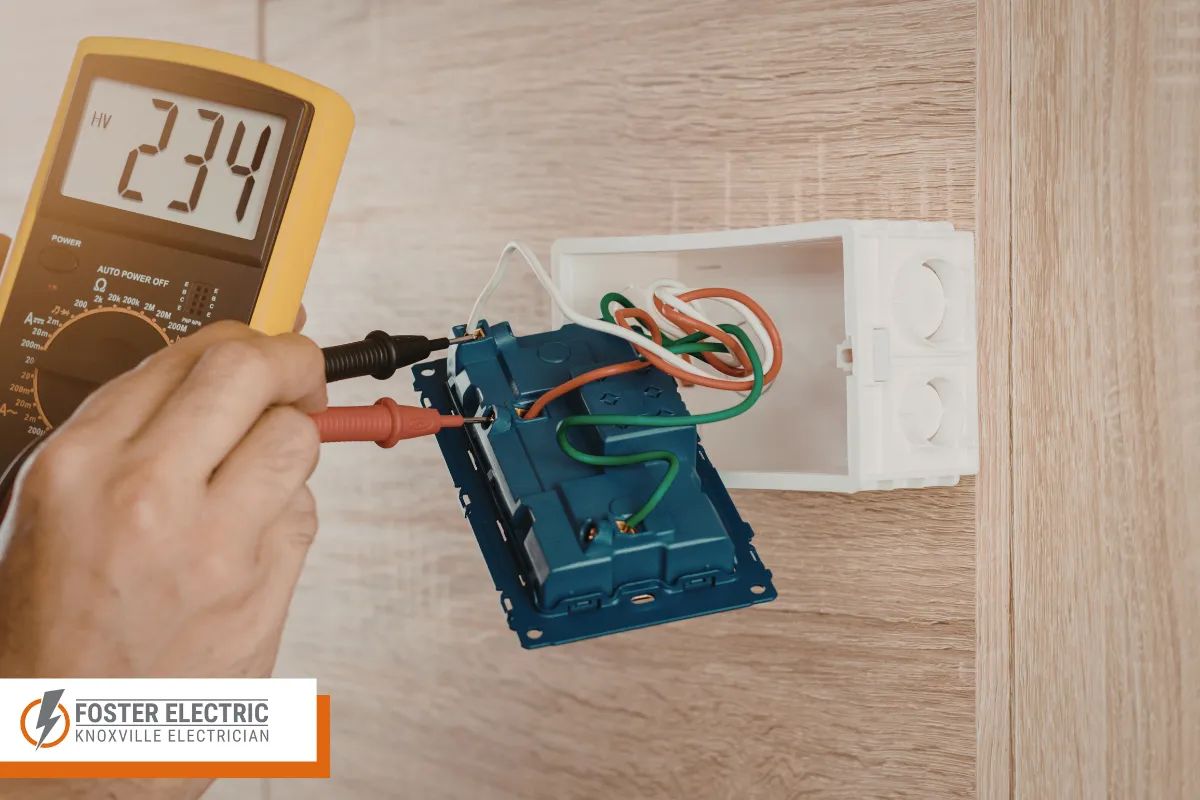
A professional diagnosis should be methodical rather than limited to swapping the visible receptacle.
The inspection may include:
- Confirming the reported symptoms
- Identifying the correct branch circuit
- Testing line, neutral, and grounding conditions
- Checking for upstream GFCI protection
- Evaluating breaker operation
- Measuring voltage under appropriate conditions
- Testing polarity
- Inspecting receptacle terminal connections
- Looking for overheating or damaged insulation
- Checking box condition and conductor length
- Evaluating downstream continuity
- Reviewing the connected load
- Determining whether current code provisions apply to the repair
Testing helps distinguish between a failed device and a circuit-level defect. It can also reveal conditions that were not visible from the room, such as a loose connection in a different box.
After locating the cause, the technician should explain the repair, any additional safety concerns, and whether permitting or inspection requirements apply.
Knoxville Permits, Codes, and Qualified Electrical Work
Electrical work in Knoxville must follow the locally adopted construction requirements. The City identifies residential electrical permits as applying to home electrical work after the utility connection, while commercial electrical permits apply to commercial wiring and equipment. Whether a specific repair requires a permit depends on its scope, so property owners should not assume that every outlet project is exempt.
The City’s Plans Review and Inspections department provides permit applications, inspection services, licensing information, and code guidance. Current requirements should be confirmed before wiring is installed, extended, or substantially altered.
Tennessee also regulates electrical contracting and licensing. State guidance explains that contractor licensing requirements apply to qualifying projects and that Limited Licensed Electrician requirements are addressed through the Tennessee Board for Licensing Contractors. Local licensing and permit rules may also apply independently of a project’s price.
For a homeowner, the practical lesson is simple: choose a professional who is appropriately qualified for the work, familiar with Knoxville requirements, and prepared to arrange required permits or inspections.
How to Prevent Another Dead Outlet
Electrical failures cannot always be predicted, but good habits reduce avoidable stress on receptacles and branch circuits.
Avoid Overloading Receptacles and Power Strips
A power strip creates additional connection points; it does not increase the capacity of the branch circuit. Do not connect multiple high-wattage appliances simply because more openings are available.
Plug major or heat-producing equipment into appropriate permanent receptacles and follow the manufacturer’s instructions.
Replace Loose or Damaged Devices Promptly
A receptacle that no longer grips a plug securely is worn. Continued use can create an unstable connection and excess heat.
Do not bend plug blades to compensate for a loose outlet. Replace damaged cords and arrange for the receptacle to be evaluated.
Keep Outdoor Connections Dry
Use equipment listed for outdoor conditions. Keep plugs out of standing water and make sure weather covers close correctly around cords.
Temporary outdoor extension cords should not become permanent wiring. Inspect seasonal lighting and power tools before each use.
Label the Electrical Panel
Clear panel labels make it easier to disconnect the correct circuit during an emergency. Labels such as “bedroom” may be too broad when one breaker supplies parts of several rooms.
A professional circuit directory can document the actual areas and fixed equipment served by each breaker.
Pay Attention to Repeated Trips
One trip may result from a temporary overload. Repeated trips are diagnostic information. Record which appliances were operating, which rooms lost power, and whether a smell, sound, or flicker occurred.
That record can help an electrician reproduce and locate an intermittent problem.
Schedule an Evaluation for Older or Altered Homes
A house may contain additions and repairs completed over many years. Mixed wiring methods, crowded boxes, ungrounded receptacles, outdated devices, and undocumented alterations can complicate a seemingly simple outage.
An electrical evaluation is especially valuable before renovations, appliance additions, home-office upgrades, or installation of equipment with substantial power requirements.
Choosing the Right Knoxville Electrical Contractor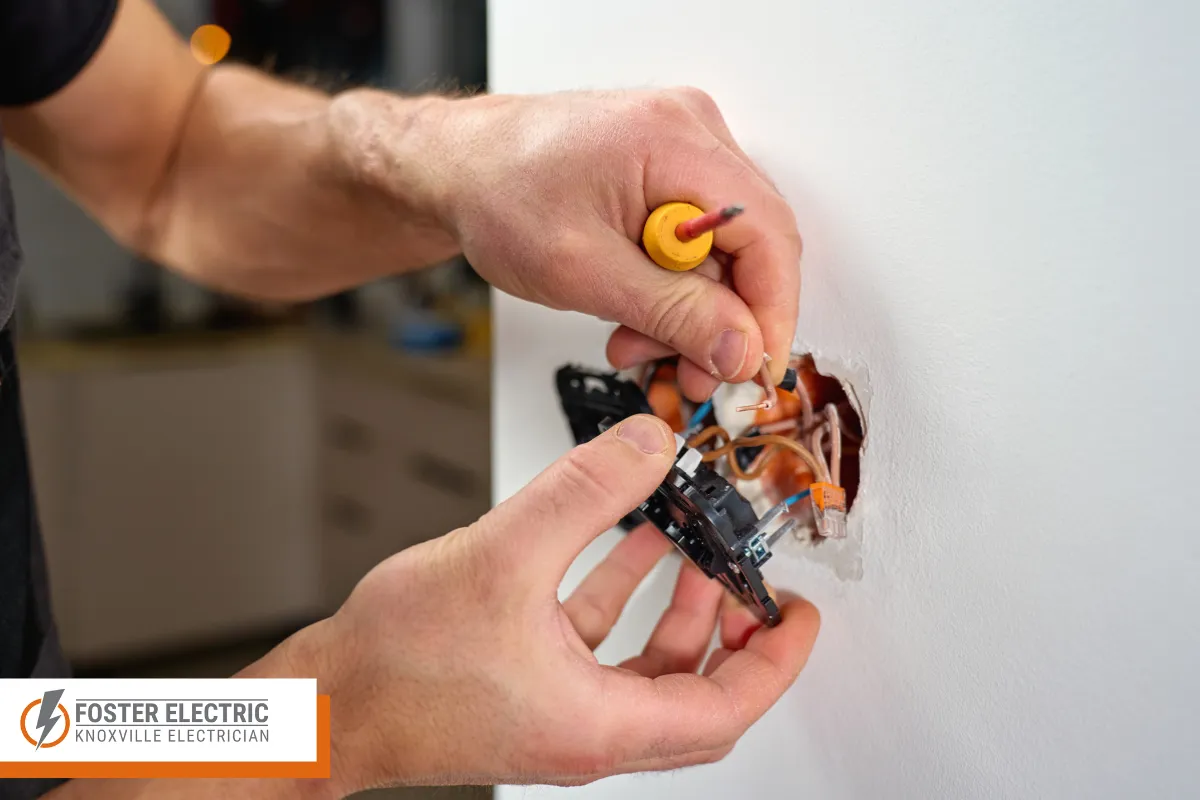
A dead outlet repair may appear small, but the quality of the diagnosis matters. Choose a provider based on qualifications and transparency rather than the promise of the fastest device replacement.
Ask whether the company:
- Is properly licensed for the proposed scope
- Maintains appropriate insurance
- Has experience troubleshooting residential branch circuits
- Provides a clear description of the work
- Identifies permit needs before beginning
- Uses listed devices suitable for the location
- Explains related hazards without unnecessary pressure
- Provides written pricing or authorization terms
- Documents completed repairs
- Stands behind its workmanship
Describe all symptoms when scheduling the visit. Mention repeated trips, water exposure, renovation activity, noises, odors, heat, and the number of affected devices. These details help the technician prepare for a safer and more efficient diagnosis.
Restore Power Without Creating a Bigger Hazard
A dead outlet is sometimes resolved by replacing a failed appliance, turning on a wall switch, resetting an upstream GFCI, or correctly cycling a tripped breaker. Those are reasonable first checks when there is no smoke, heat, water, burning odor, visible damage, or repeated tripping.
When normal resets do not restore power, stop there. The remaining causes may involve loose conductors, failed neutrals, damaged receptacles, concealed cable defects, or problems inside the panel. Those conditions call for professional testing rather than guesswork.
Prompt attention protects more than convenience. It can help prevent electrical shock, damaged equipment, overheated wiring, and an avoidable fire. A qualified Knoxville professional can locate the interruption, complete the appropriate repair, and confirm that the circuit operates safely under applicable local requirements.
Electric Service in Knoxville, TN – Foster Electric
At Foster Electric, we provide dependable electric service for dead outlets, tripped circuits, damaged receptacles, GFCI problems, and other electrical concerns throughout Knoxville, Tennessee, and prominent surrounding areas. We understand that a powerless outlet may signal more than a worn device, so our team looks for the underlying cause before recommending a repair. Our professionals can evaluate the affected circuit, identify safety concerns, and explain practical options for restoring reliable power. Do not ignore repeated breaker trips, heat, buzzing, discoloration, or burning odors. Call Foster Electric at (865) 246-7037 to schedule service, or fill out our contact form to tell us what is happening. We are ready to help protect your home, appliances, and family with careful workmanship and responsive local support.
Frequently Asked Questions
How long does a household electrical outlet usually last?
There is no universal expiration date for a receptacle because its condition depends on usage, installation quality, environment, connected loads, and physical wear. An outlet used daily may loosen sooner than one in a guest room. Replacement may be appropriate when plugs fall out, the device moves inside the wall, the face is cracked, or heat discoloration appears. Outdoor, garage, kitchen, and laundry receptacles may also experience moisture, dirt, or heavier use. Age alone does not prove failure, but aging devices deserve closer attention. Have questionable receptacles inspected rather than waiting for complete power loss or visible heat damage.
Can a smart outlet replace a standard dead receptacle?
A smart outlet may replace a compatible standard receptacle, but it should not be used to hide an unresolved circuit problem. The existing box must have suitable conductors, adequate space, proper grounding where required, and a circuit configuration supported by the manufacturer. Some smart devices require a neutral conductor or specific wireless conditions. The product must also be listed for its intended location and load. A smart receptacle does not increase circuit capacity or correct loose wiring. Before upgrading, have the dead outlet’s cause identified and confirm that the proposed device complies with Knoxville’s adopted code and installation requirements.
Is a landlord or tenant responsible for repairing a dead outlet?
Responsibility depends on the lease, the cause of the damage, and applicable property obligations. A tenant should report the defect promptly, especially when the outlet is hot, burned, sparking, wet, or affecting essential equipment. Avoid removing the receptacle or arranging unauthorized alterations. Document the condition with the date, affected room, symptoms, and photographs taken from a safe distance. A landlord or property manager can then arrange access for a qualified professional. When the failure presents an immediate safety threat, stop using the area and follow emergency procedures. Lease-specific or legal disputes should be discussed with an appropriate local adviser.
Will whole-home surge protection prevent a dead outlet?
Whole-home surge protection can reduce damage from certain transient voltage events, but it cannot prevent every cause of outlet failure. It does not correct overloaded circuits, loose terminals, worn contacts, water intrusion, damaged conductors, faulty appliances, or defective breakers. Surge protection works as one layer in a broader electrical safety strategy that includes proper grounding, bonding, branch-circuit protection, listed equipment, and sound installation. Point-of-use protection may still be appropriate for sensitive electronics. An electrician can assess the service equipment, grounding system, available panel space, and manufacturer requirements before recommending a surge protective device for the property.
How often should receptacles and GFCI devices be tested?
Inspect frequently used receptacles during routine cleaning and whenever a plug feels loose, the faceplate moves, or heat and discoloration appear. GFCI devices should be tested according to the manufacturer’s instructions, which are commonly printed on the device or included with the product. Pressing TEST should disconnect power, and pressing RESET should restore normal operation. Some newer devices perform automatic internal monitoring but still require attention to status indicators. A device that fails its test, refuses to reset, or repeatedly trips should be removed from use and evaluated. Keep a simple household maintenance record so protective-device checks are not forgotten.
Disclaimer: This article provides general safety information, not repair instructions for energized wiring. Electrical conditions vary by property. Stop when hazards appear and use a properly qualified professional for diagnosis, permitting, code compliance, and repairs.
Read Electric Service in Knoxville, TN: Can an Electrician Repair Damaged Extension Cords?