
Electrical service plays a major role in keeping every home in Knoxville running smoothly, especially when it comes to installing ceiling fans and ensuring household safety. From staying comfortable during hot summers to preventing electrical hazards, understanding how your home’s electrical system works can significantly impact your quality of life.
This comprehensive guide will help Knoxville homeowners learn the proper way to install ceiling fans, recognize warning signs of electrical problems, and take steps to keep their homes safe and up to code. Whether you’re updating an older property or adding new fixtures, knowing how to handle your home’s power systems the right way matters.
The Importance of Electrical Service in Knoxville Homes
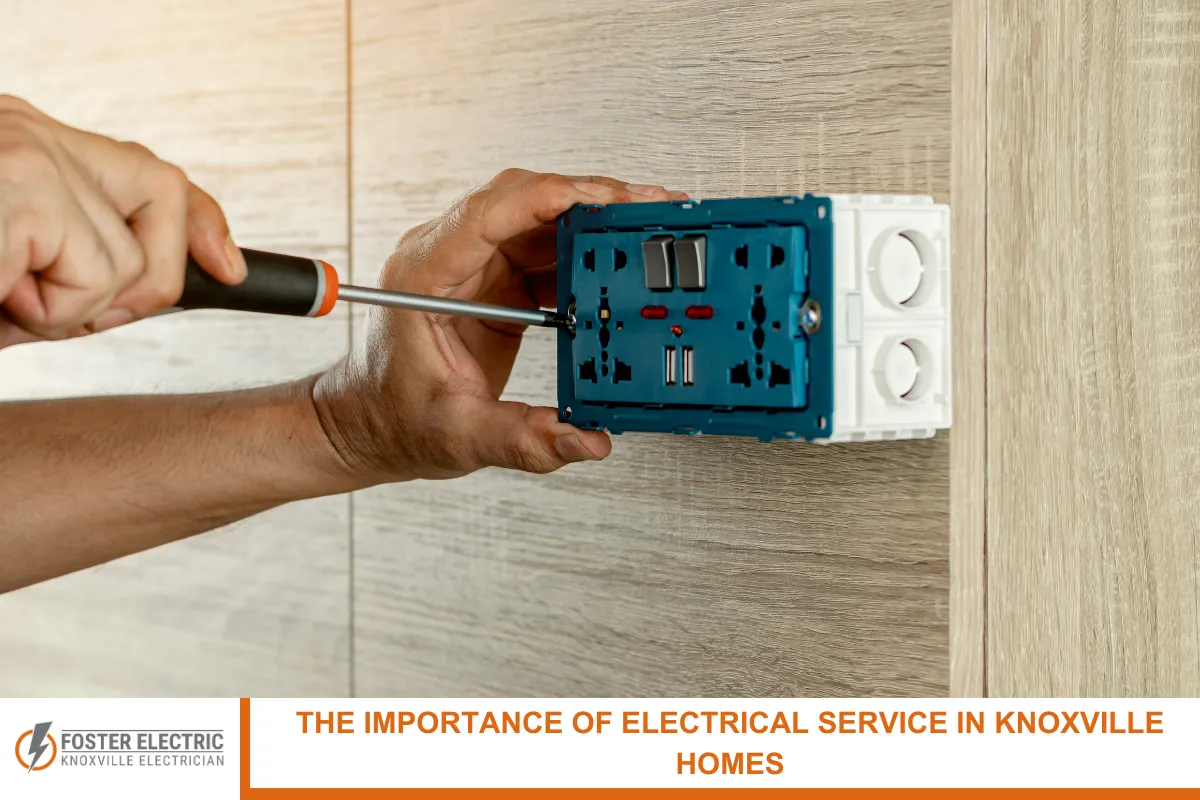
Electrical service refers to the entire system that delivers electricity from the main utility lines into your home. This includes the electric meter, service panel (also known as the breaker box), wiring, switches, outlets, and all fixtures and appliances connected to it.
In Knoxville, the electrical infrastructure of many homes varies significantly depending on the property’s age. Older homes may still have outdated wiring systems, while newer builds typically meet current national and state safety standards. However, even newer systems can face issues if overloaded or improperly installed.
Without proper electrical service, common household tasks like turning on lights or using appliances become potential hazards. Ceiling fan installation, in particular, depends on a reliable and stable electrical connection to avoid problems such as short circuits, overheating, or motor damage. Every homeowner should be familiar with the basics of their home’s electrical system to ensure safety and optimal performance.
Understanding Ceiling Fan Installation in Knoxville
What Makes Fan Installation Different from Other Fixtures
Installing a ceiling fan isn’t as simple as replacing a lightbulb. It involves working with wiring, ensuring the ceiling can support the fan’s weight, and verifying that the power connections are secure. A fan that isn’t correctly installed can wobble, make noise, or even fall over time.
In Knoxville homes, it’s important to consider the type of ceiling material and whether the electrical box currently installed is “fan-rated.” Fan-rated boxes are designed to handle the motion and weight of a ceiling fan. Using a standard box that’s not rated for fan use could lead to loose connections or even collapse.
Choosing the Right Fan Size and Type
The size of the fan should match the size of the room. Here’s a general rule of thumb for Knoxville homeowners:
- Rooms up to 75 sq. ft. – 29″ to 36″ fans
- Rooms 76 to 144 sq. ft. – 36″ to 42″ fans
- Rooms 144 to 225 sq. ft. – 44″ to 50″ fans
- Rooms 225 to 400 sq. ft. – 50″ to 54″ fans
For damp areas, such as covered patios or sunrooms, ensure the fan is rated for use in damp locations. In Knoxville’s climate, moisture-resistant fans help reduce wear and prevent rust.
Steps to Install a Ceiling Fan Safely
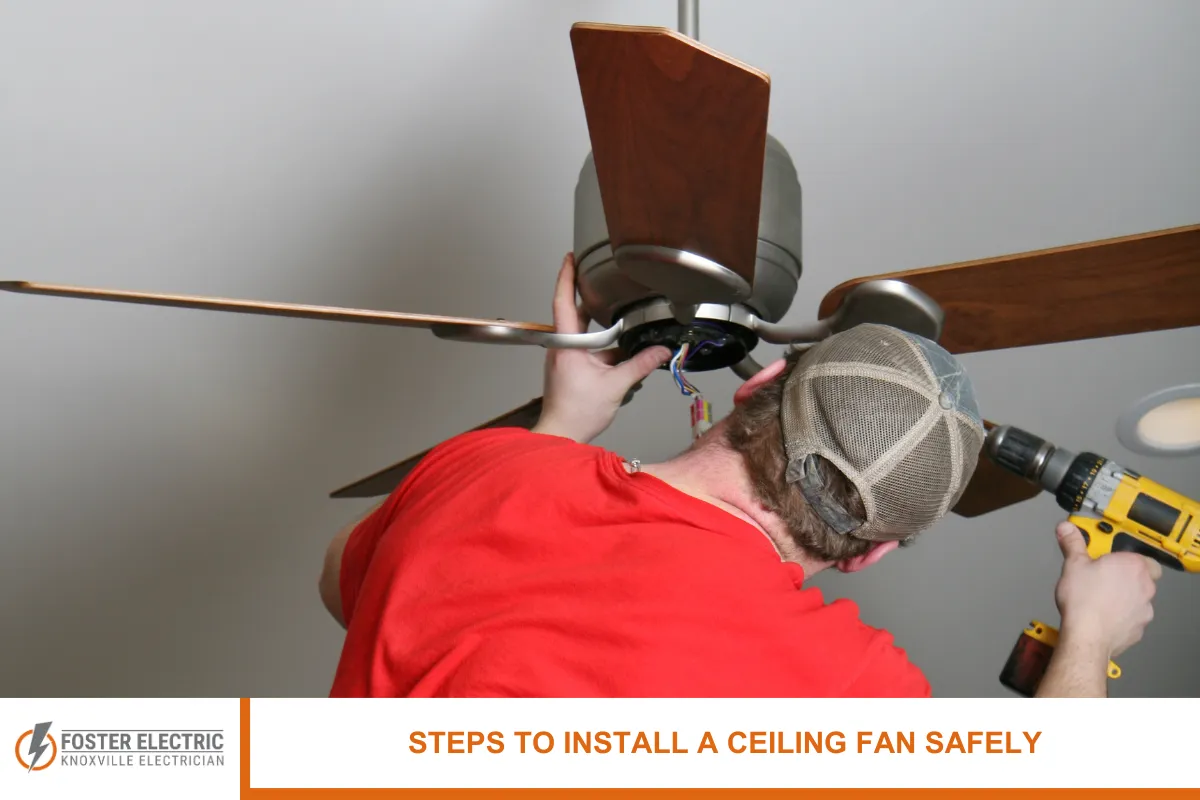
Turn Off the Power at the Main Panel
Before starting any electrical work, always cut off the power at the breaker panel. This ensures that no current is running through the wires while you’re working. After switching off the breaker, use a voltage tester to confirm the power is off at the ceiling box.
Check and Replace the Electrical Box if Needed
Not all ceiling boxes can support the weight and motion of a fan. If your existing box isn’t marked as “fan-rated,” it should be replaced with one that is. Fan-rated boxes are secured to ceiling joists and are built to handle the vibration and weight of spinning blades.
Secure the Mounting Bracket
After the box is properly installed, the mounting bracket holds the fan in place. It connects to the electrical box and supports the downrod and motor assembly. Ensure all screws are tightened firmly to prevent any future wobbling.
Connect the Wiring
Connect the wires from the fan to the wires in the ceiling box.
- Black to black (hot wire)
- White to white (neutral wire)
- Green or bare copper to the grounding wire
Use wire connectors (also known as wire nuts) and electrical tape to secure the connections. Tuck the wires carefully into the box so they don’t get pinched.
Assemble and Attach the Fan Blades
Attach the fan motor to the bracket, then attach the fan blades one by one. Many fans also come with an optional light kit, which can be wired separately following the same color-coded guidelines.
Restore Power and Test the Fan
After everything is assembled and secure, turn the power back on and test the fan. Check all speed settings, the light (if included), and listen for unusual sounds. A well-installed fan should be quiet and stable.
Common Electrical Hazards Found in Knoxville Homes
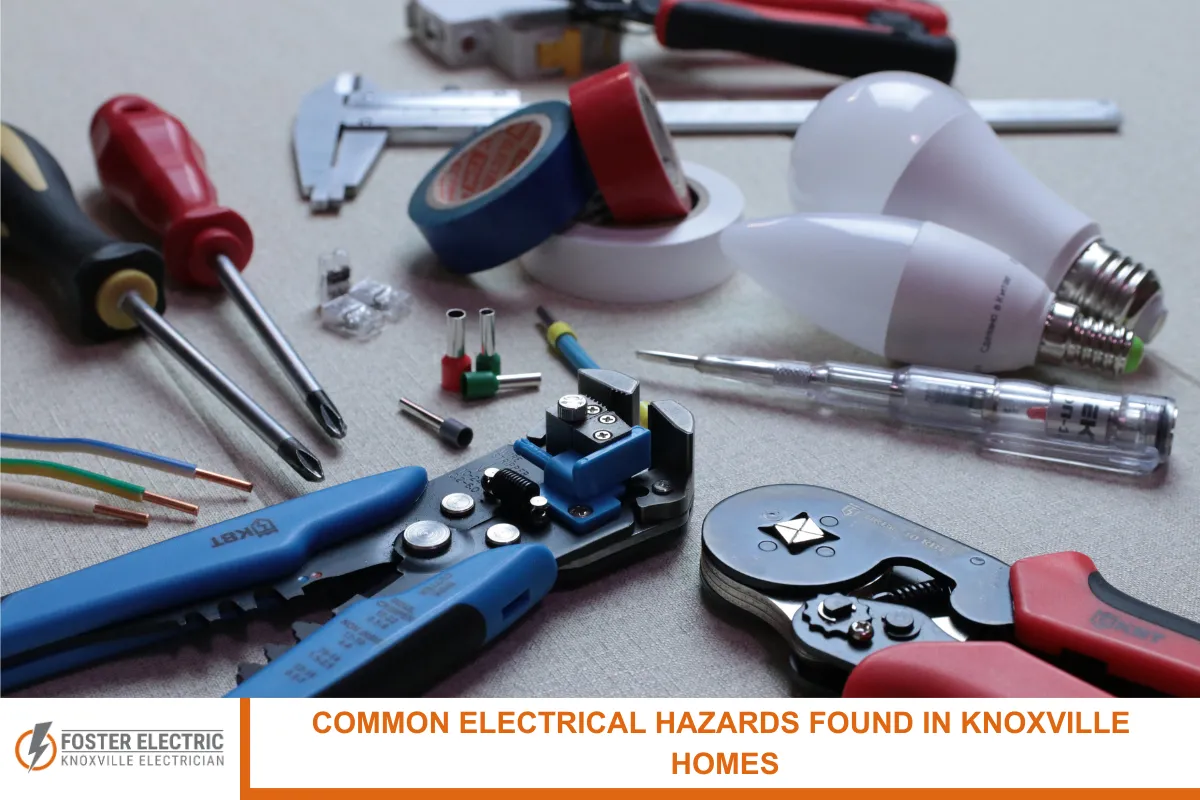
Knoxville’s residential neighborhoods feature a mix of older and newer homes, which brings a range of electrical safety concerns. Here are some common issues that can impact ceiling fan performance and overall home safety.
Old or Damaged Wiring
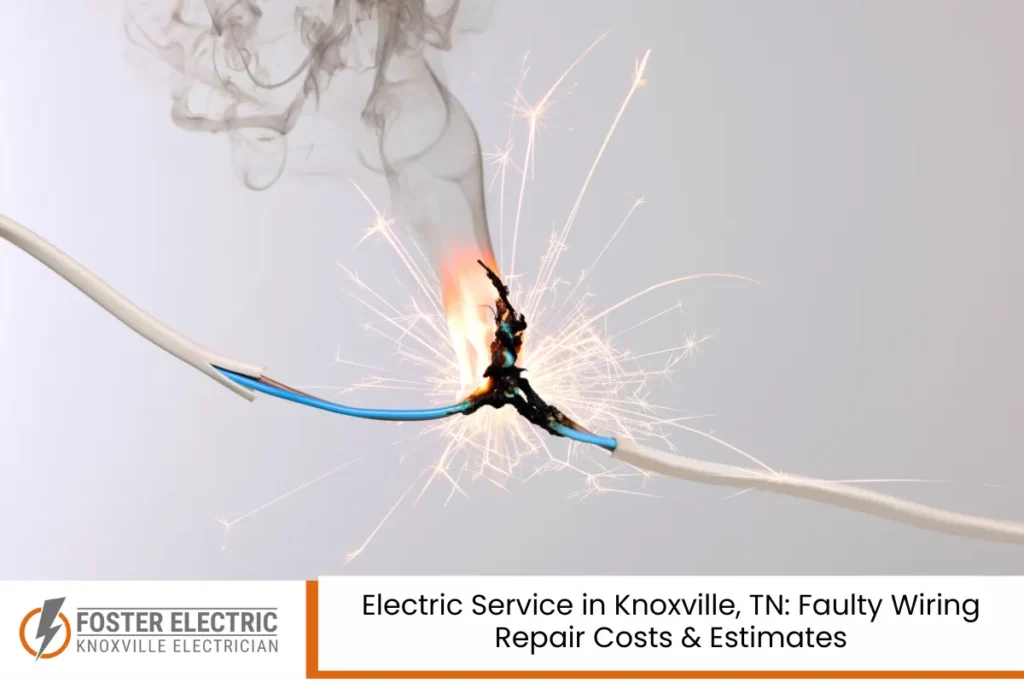
Older homes might still have aluminum wiring or knob-and-tube systems. These outdated setups are more prone to overheating, loose connections, and even electrical fires. Any major fixture installation, including ceiling fans, should start with an inspection of the wiring behind the ceiling box.
Overloaded Circuits
Modern living demands more electricity than homes were originally built to handle. Too many devices on one circuit can trip breakers or cause wiring to overheat. If your lights flicker when you turn on the fan, or if the breaker trips, the circuit might be overloaded.
Loose Outlets or Switches
Loose or damaged outlets and switches can affect the stability of the fan’s power source. These small signs are often early warnings of more serious issues behind the wall.
How to Keep Your Knoxville Home Electrically Safe
Schedule Regular Electrical Inspections
Having a professional check your electrical service at least once every few years can catch problems before they become dangerous. In Knoxville, some homes require more frequent inspections, especially if the wiring is older than 30 years.
Install Smoke and Carbon Monoxide Detectors
Electrical faults are a leading cause of house fires. Smoke detectors and CO alarms are essential for early warnings and should be tested monthly. Replace the batteries every six months, even if they appear to be functioning properly.
Upgrade Panels and Breakers as Needed
If your electrical panel is more than 25 years old, it may not meet today’s safety requirements. Upgrading your panel can provide more power and support for modern appliances, including ceiling fans, kitchen devices, and HVAC systems.
Use Surge Protection for the Entire Home
Knoxville experiences its share of thunderstorms. Installing a whole-home surge protector helps prevent sudden voltage spikes from damaging your wiring, fans, lights, and other electronic devices.
Recognizing the Signs of Electrical Trouble
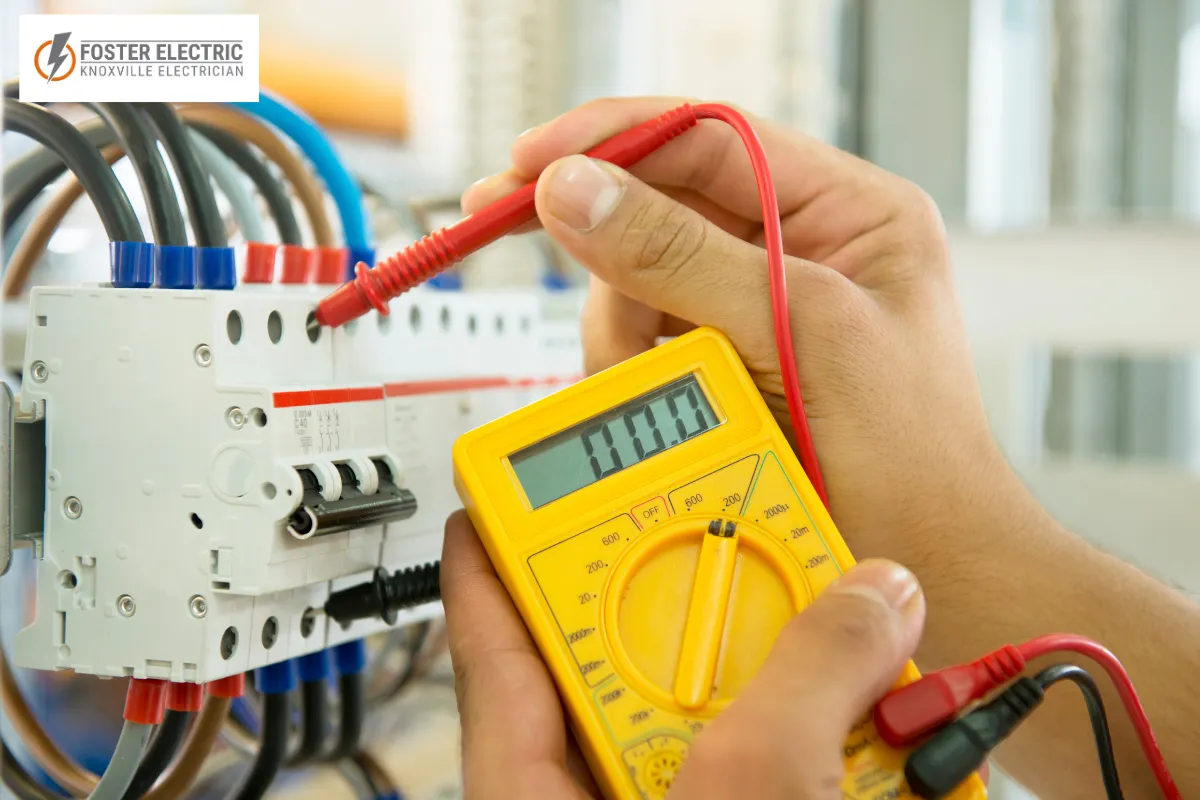
It’s important to know the early warning signs of trouble with your home’s electrical service.
Here’s what to watch out for:
- Burning smells coming from outlets or switches
- Lights that flicker or dim randomly
- Breakers that trip often, especially after installing new fixtures
- Warm or hot faceplates on switches or outlets
- Humming or buzzing sounds from the electrical panel
Any of these signs should be addressed by a licensed electrician as soon as possible.
How Proper Fan Installation Improves Energy Efficiency
A properly installed ceiling fan can reduce cooling costs in Knoxville’s summer months. When set to spin counterclockwise, the fan pushes cool air downward, making the room feel cooler. In the winter, flipping the fan to spin clockwise on a low setting helps circulate warm air more effectively.
This added efficiency means your HVAC system doesn’t work as hard, saving energy and extending the life of your heating and cooling units.
Knoxville Electrical Service – Knoxville Electrician
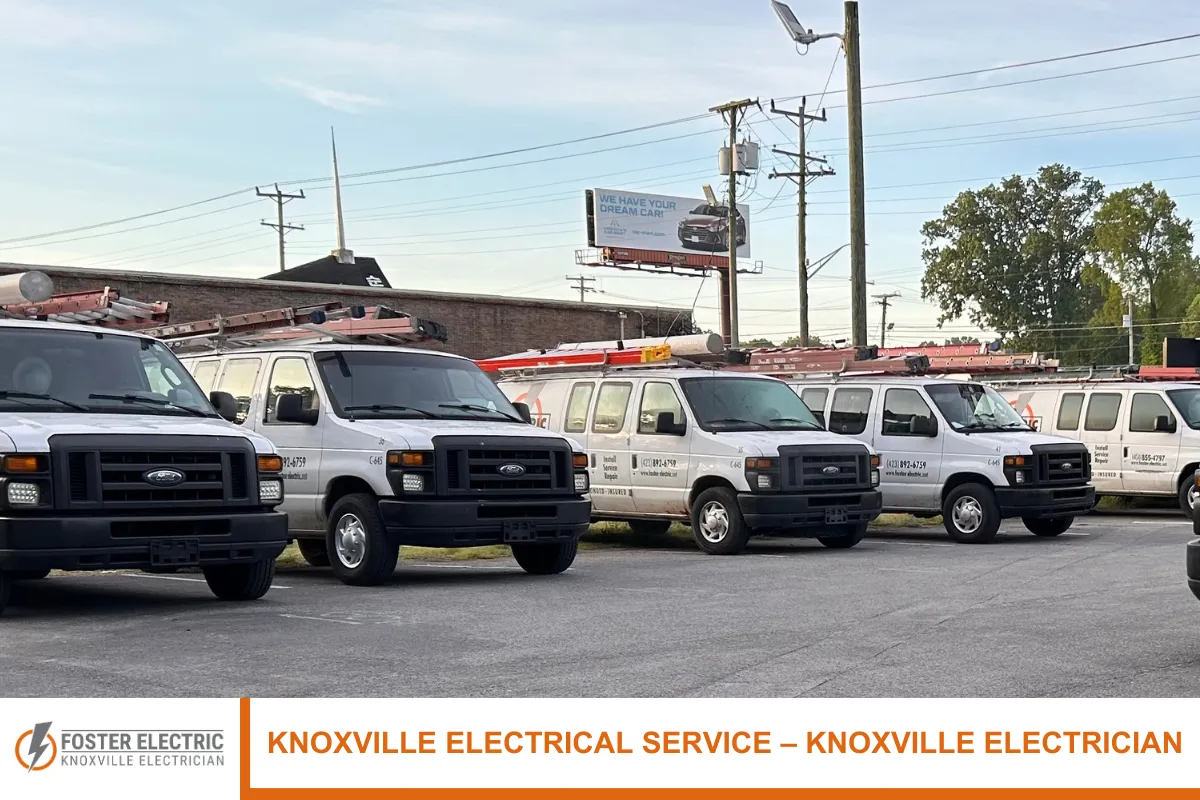
Need help with electrical service in your Knoxville home? We’ve got you covered—Knoxville Electrician is your trusted local expert for safe, simple, and reliable electrical work. Whether you’re installing a new ceiling fan, fixing old wiring, or upgrading your panel, we handle every job with care and attention to detail. Our services include light fixture installations, outlet repairs, surge protection, smoke detector setups, and complete home safety checks. We ensure your home stays up to code and your family remains protected. No hassle, no guesswork—just honest, straightforward service. Call us today at (865) 246-7037 to schedule your service and let’s keep your home powered safely and efficiently.
Frequently Asked Questions – Knoxville Electrical Service & Home Safety
1. What causes flickering lights, and is it dangerous?
Flickering lights in your Knoxville, TN home can be more than a minor annoyance. They may indicate deeper electrical issues such as faulty wiring, loose connections, or problems within the circuit breaker box. If the flickering is isolated to one light, it may be a simple issue with the bulb or switch. But if multiple lights flicker, it could signal unstable voltage, a failing main breaker, or overloaded electrical panels.
In some cases, flickering occurs when large appliances, such as an HVAC system or a refrigerator, turn on, which can stress your electrical system. This might require a panel upgrade to handle modern energy loads. Sudden or consistent flickers, especially when accompanied by buzzing sounds or burnt odors, should never be ignored. Contact a licensed electrician to inspect your home’s wiring, insulation, and connections.
Prompt electrical repairs can prevent power outages, fires, or full-scale electrical emergencies, keeping your household safe and secure.
2. Why is it important to upgrade an old electrical panel?
Older electrical panels may not be able to handle the energy demands of today’s homes in Knoxville, TN. Suppose your house still operates on a 60-amp or 100-amp service. In that case, it may struggle to power devices such as HVAC systems, home generators, and modern lighting systems.
A panel upgrade increases your home’s capacity, improves energy distribution, and reduces the risk of electrical surges. Newer circuit breakers also include advanced safety features that protect against ground faults, short circuits, and fire hazards. An upgraded electrical panel helps prevent overloaded circuits and frequent tripping, especially when multiple appliances are in use.
Benefits include:
- Fewer electrical problems
- Improved home resale value
- Compatibility with surge protection devices
- Support for additional outdoor lighting and GFCI outlets
Neglecting a panel replacement could lead to system failures, electrical fires, or the need for emergency electrical repairs later. Always consult a licensed electrician to evaluate your system’s current load.
3. How do GFCI outlets improve home safety?
GFCI outlets (Ground Fault Circuit Interrupters) are designed to prevent electrical shock by cutting power when they detect imbalances in the flow of electricity. These outlets are crucial for areas prone to moisture, such as bathrooms, kitchens, basements, garages, and outdoor spaces in homes across Knoxville, TN.
If a person accidentally becomes part of a short circuit—like touching an energized appliance with wet hands—the GFCI detects the ground fault and instantly shuts off the current. These outlets are a critical safety upgrade for any home, especially those with aging electrical systems or poor wiring insulation.
Installing GFCIs:
- Reduces the risk of electrical shock
- Helps meet modern code requirements
- Prevents damage from faulty outlets or water exposure
A licensed electrician should install or inspect GFCI outlets during electrical updates or rewiring projects. They’re an affordable yet powerful tool in improving household safety and lowering the risk of electrical emergencies.
4. What are the signs of a failing electrical outlet or switch?
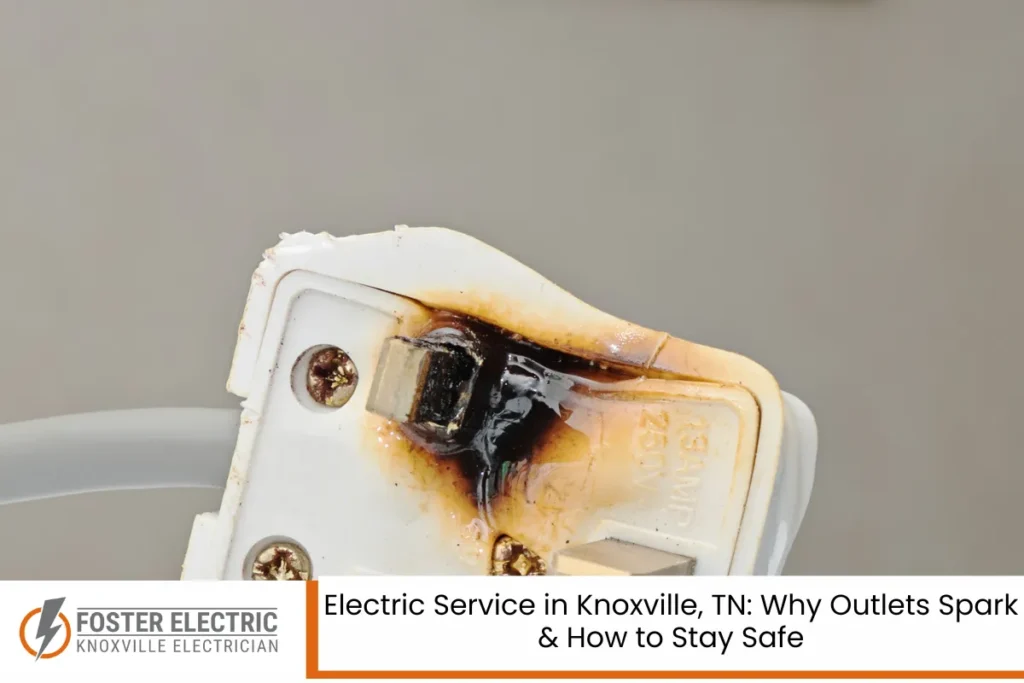
Faulty outlets or switches often give off early warning signs before they fail. Suppose you notice buzzing sounds, discolored wall plates, or a burning smell near a switch or electrical outlet. In that case, it’s time to call a licensed electrician in Knoxville, TN.
Additional symptoms may include:
- Warm or hot outlet covers
- Intermittent power or devices turning off unexpectedly
- Visible sparks when plugging in items
- Cracks or loose outlet movement
- Breakers tripping when the outlet is in use
These issues could point to wiring insulation breakdown, outdated circuit breakers, or electrical surges traveling through the home. Don’t ignore these signs. Faulty outlets can lead to electrical fires, equipment damage, or electrocution.
Switches and outlets that are damaged or aged should be replaced promptly, especially during a renovation or wiring & rewiring project. Having them inspected regularly can prevent unexpected power outages and costly electrical repairs in the future.
5. When should I call for an emergency electrician service?
Call for an emergency electrician service in Knoxville, TN whenever there’s an immediate risk to people, property, or power supply.
Urgent situations include:
- Sudden power outages affecting only your home
- Burning smells from walls or electrical panels
- Visible smoke or sparks from an outlet
- Water exposure near wiring or outlets
- Frequent circuit breaker trips with no clear cause
- Loss of power to critical systems like your HVAC system or smoke alarms
Some electrical issues may seem minor at first, but can escalate fast. For example, an ignored faulty outlet can spark a fire. At the same time, flickering lights could signal failing main breakers or overloaded circuits. Electrical work isn’t a DIY matter—always let a licensed electrician handle urgent problems.
A timely response from a professional can prevent damage to your appliances, restore power safely, and ensure your electrical system remains protected from further failure.
Read more: The Cost of Ceiling Fan Installation With Electrical Service in Knoxville, TN