
Your electric service is something most Knoxville homeowners take for granted until the lights flicker, a breaker refuses to reset, or a faint smell of hot plastic drifts through the hallway. The problem is that electrical panels age quietly. Worn breakers, loose wiring, and hidden corrosion can develop over years without any obvious sign until a real emergency shows up. That slow, silent degradation is exactly what makes routine inspection so important. The solution is straightforward: schedule regular professional panel inspections, know the warning signs that demand immediate attention, and understand when your home needs an upgrade rather than a patch. This guide covers the details every Knoxville homeowner should know to keep their house safe and their electrical system performing the way it should.
Key Takeaways
- Most Knoxville homes should have an electrical panel inspected every three to five years under normal conditions, or every ten years at most if the panel is modern and loads are light. Homeowners in Knoxville, TN should have a licensed electrician professionally inspect their electrical panels every three to five years to stay ahead of hidden hazards.
- Older homes, added loads like an EV charger or hot tub, and past electrical issues all justify more frequent checkups by a qualified electrician.
- Watch for these red flags: frequent breaker trips, buzzing or crackling sounds, a burning smell near the panel, heat on the panel cover, corrosion, or flickering lights when appliances cycle on.
- Knoxville-specific stressors such as high summer humidity, frequent thunderstorms, and lightning activity can shorten the life of electrical equipment and weaken surge protection over time.
- Never open or work inside a panel yourself. Always hire a licensed electrical contractor for inspections, troubleshooting, and repairs.
How Often Should Knoxville Homeowners Inspect an Electrical Panel?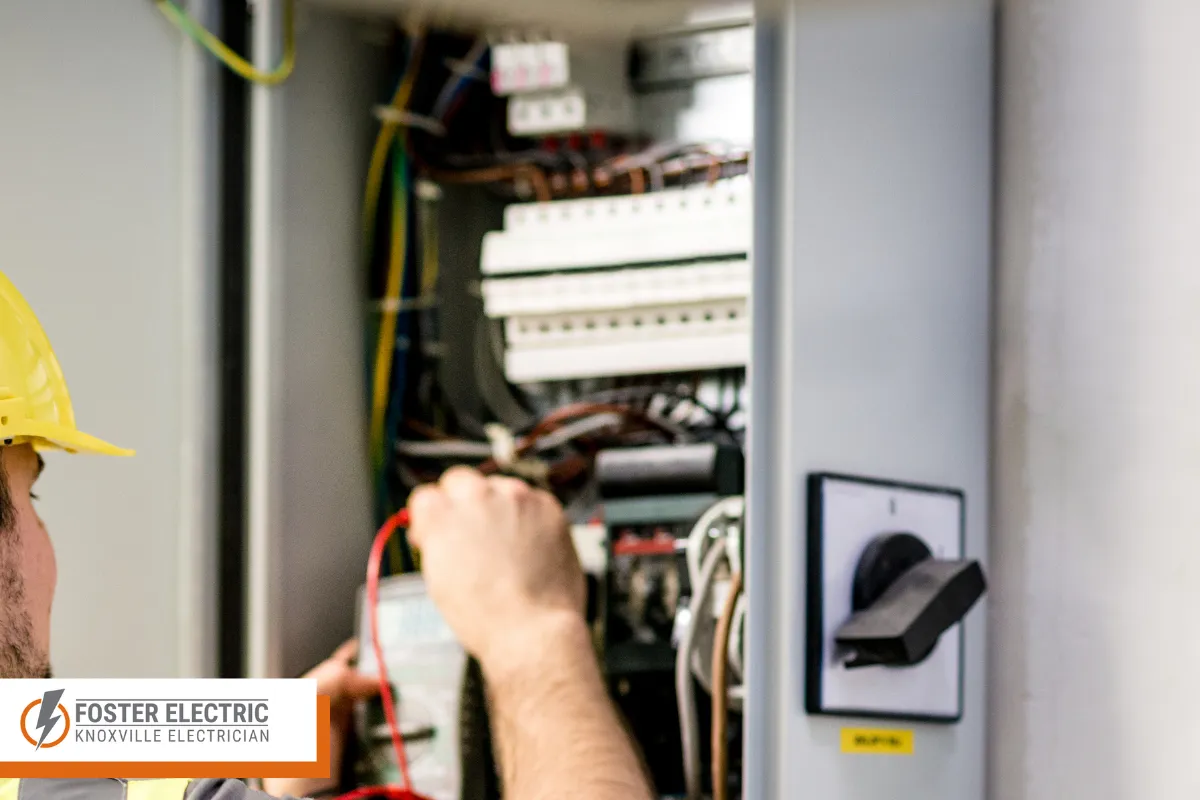
The short answer is that electrical panels should be inspected every ten years at a minimum for newer systems in good condition. Every three to five years is the standard recommendation for electrical panel inspections for modern homes that carry average residential loads. Inspection frequency recommendations can vary based on home age and electrical conditions, so there is no single number that fits every situation.
If your home is newer with a modern 200-amp panel and you have not added significant loads, you can generally lean toward the longer end of that range. Homes older than twenty-five to thirty years benefit from a tighter five-year cycle. Older homes in Knoxville may require inspections every one to two years, especially when the panel shows visible signs of age or when the house still relies on original wiring.
Certain life events should trigger an immediate inspection regardless of your regular schedule:
- Adding a Level 2 EV charger or hot tub
- Finishing a basement or building out a garage workshop
- Installing a new HVAC system or high-draw kitchen appliances
- Purchasing an older home with unknown electrical history
- After major renovations or new appliance installations, an inspection is warranted
Electrical panels typically last twenty-five to forty years, but Tennessee humidity, moisture intrusion, and storm activity can shorten practical service life well below that range. Factors such as heavy electrical usage can necessitate modified inspection timelines. Panels should be inspected sooner if electrical demands increase beyond what the original system was designed to handle.
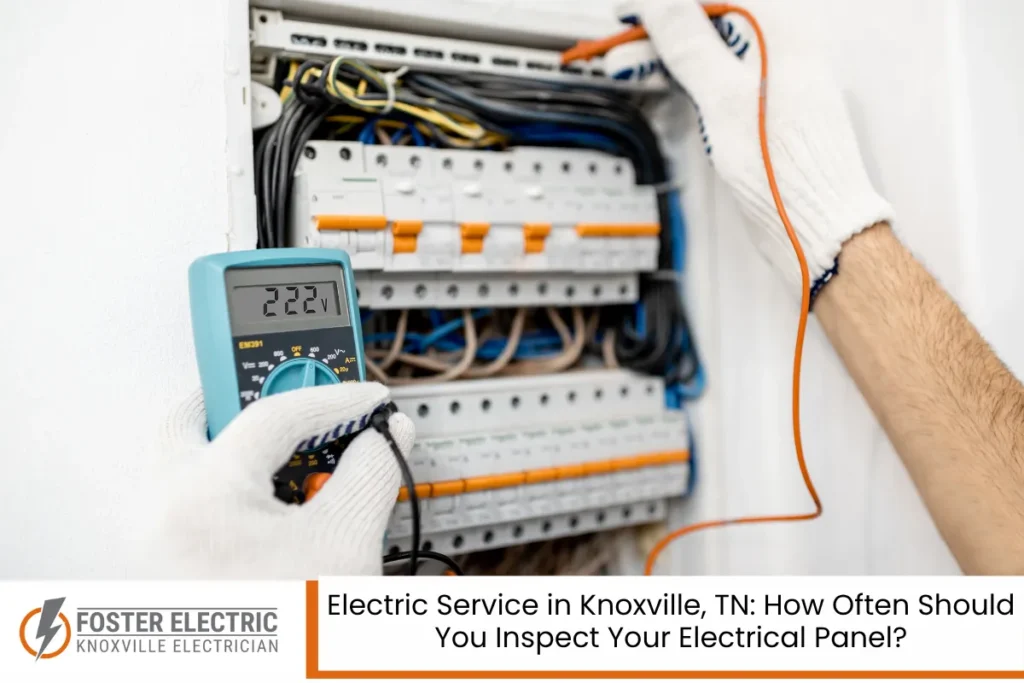
A quick annual visual check by the homeowner is useful for catching obvious problems early, but in-depth inspections must be performed by a licensed electrician who can safely remove the dead front, test connections, and verify code compliance. Licensed electricians should inspect panels every ten years at a bare minimum, and more often for systems under stress.
What Your Electrical Panel Does and Why Knoxville Conditions Matter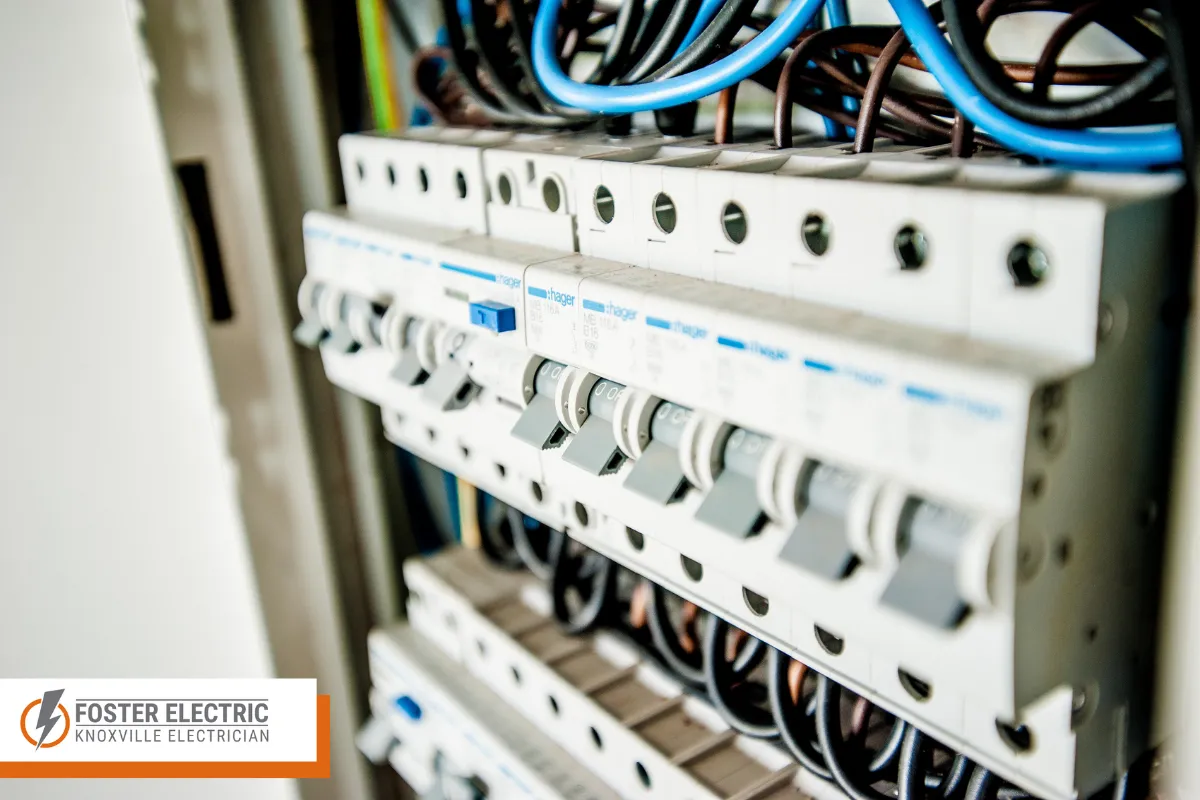
Think of the electrical panel as the command center of your home. It receives power from the utility and distributes it across every circuit in the house, with each breaker providing overcurrent protection for the wiring downstream. If something goes wrong on a circuit, the corresponding breaker is supposed to trip and cut power before wires overheat or arcing occurs.
The panel must safely handle continuous loads from your HVAC system, water heater, kitchen appliances, lighting, electronics, and any EV charging equipment without overheating or nuisance tripping. Over time, age, added circuits, DIY changes, and poor previous work can stress the system and lead to hidden hazards tucked behind the metal cover.
Knoxville sits in a climate that is particularly tough on electrical equipment. Frequent summer thunderstorms and occasional lightning strikes produce voltage surges that weaken individual breakers and bus bar connections over time. Panels located in basements and garages often face higher humidity, which accelerates corrosion on lugs, screws, and bus bars.
Corrosion increases resistance and heat in electrical panels. When metal parts oxidize and connections loosen, the panel has to work harder to deliver the same amount of power. That extra heat can damage electronics, degrade insulation, and elevate fire risk if nobody identifies the problem during regular inspections. In a region where storm seasons and humid summers are the norm, these factors matter more than they would in a dry, mild climate.
Common Electrical Panel Problems Knoxville Homeowners Should Watch For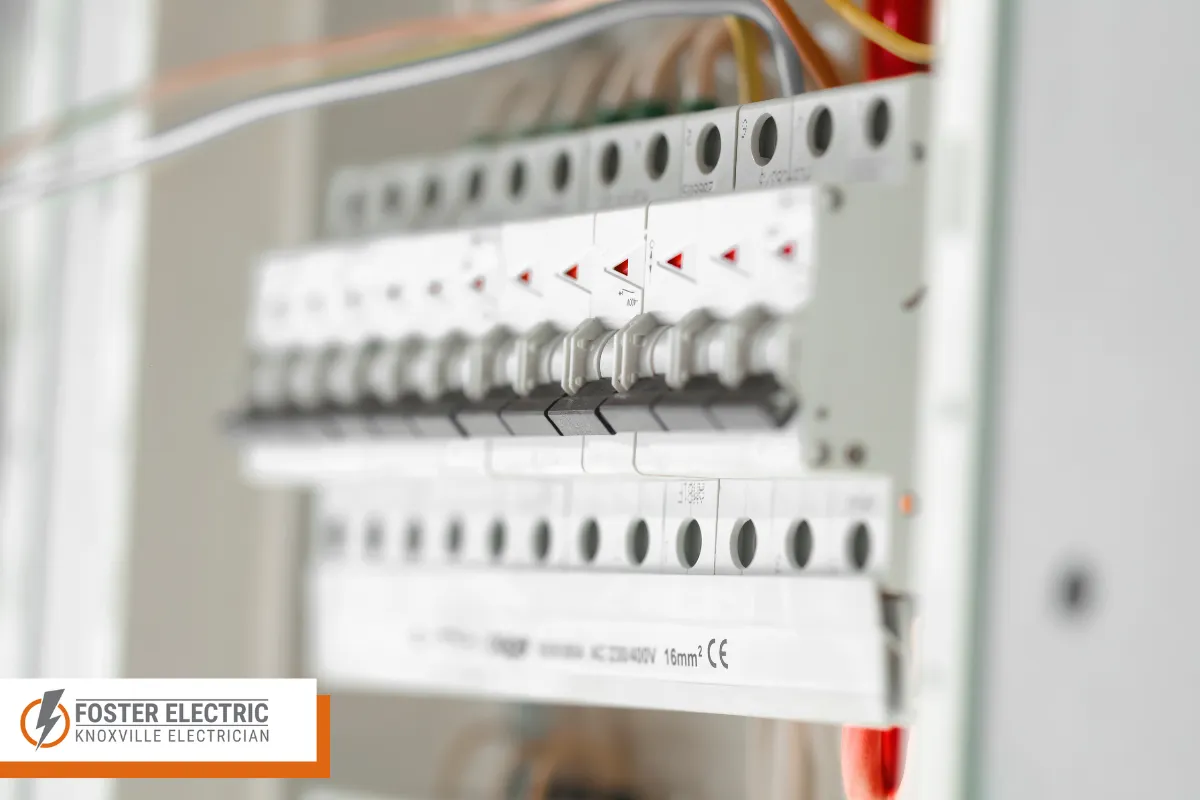
Most panel problems develop gradually. Regular inspections help catch them before they turn into emergencies or code violations. Below are the issues electricians encounter most often during residential and commercial panel evaluations.
- Loose connections can cause overheating and voltage drop. Lugs that secure the main conductor to the bus bar expand and contract with thermal cycling, and over years they can work themselves loose. A qualified electrician will perform torque testing to verify tightness during an inspection.
- Worn breakers that have tripped many times or sat idle for decades may fail to operate correctly when needed. Outdated panels may not trip correctly during faults, leaving wiring unprotected during overloads or short circuits.
- Corrosion shows up as rust spots, white powder, or green deposits on bus bars and terminals. Left unchecked, corroded connections can increase fire risk in electrical panels.
- Overcrowded or improperly modified circuits create trouble. Double-tapped breakers, where two wires share a single terminal, and mismatched breaker types are common findings in older panels that have been expanded without professional oversight.
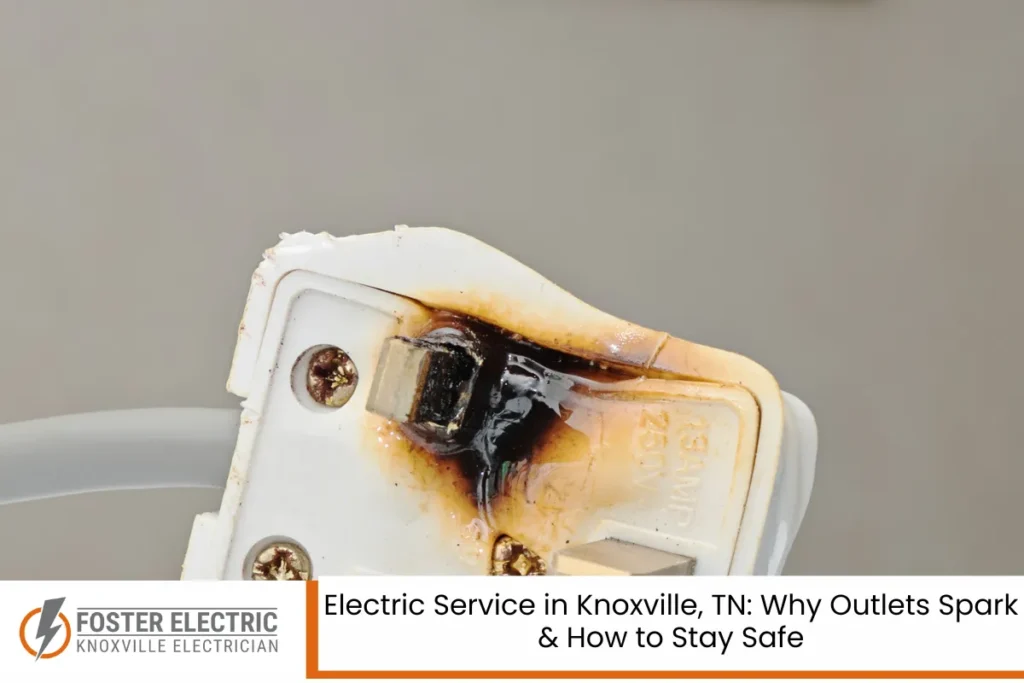
- Thermal damage reveals itself through discolored plastic, scorch marks on the dead front, or breakers that feel warm even under light load.
Certain panel brands should be replaced regardless of age. Federal Pacific Electric breakers have a documented failure rate higher than others, with breakers that may not trip under overload. Federal Pacific and Zinsco panels have known safety defects that make replacement a priority no matter how the panel looks from the outside. A 100-amp panel is often undersized for modern homes, even if it appears to be functioning without issues.
Only a qualified electrician should remove the dead front cover, evaluate bus bars, or test individual breakers. Homeowners should limit themselves to observing, listening, and calling for help promptly.
Warning Signs It Is Time to Schedule an Electrical Panel Inspection Now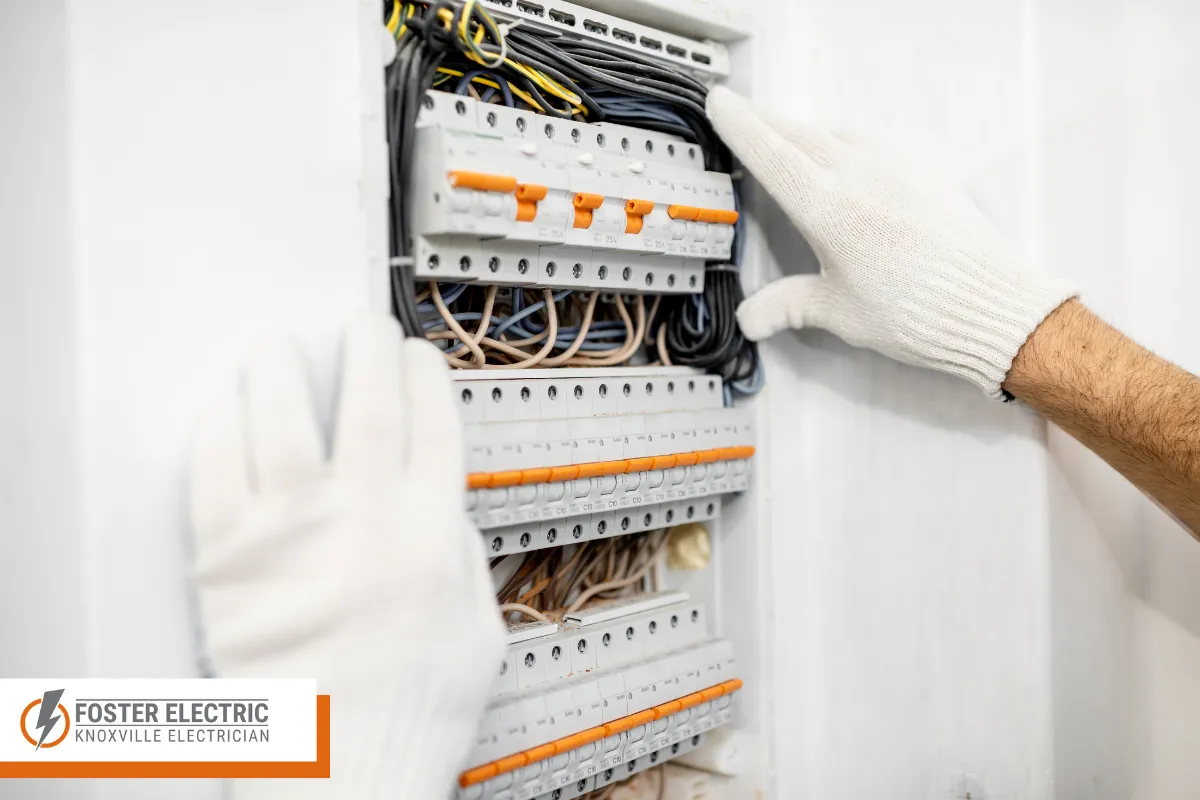
Waiting for a complete failure is risky. Subtle clues often appear months or years before major problems. Frequent tripping breakers indicate potential electrical issues that require immediate attention, but there are other signals that should not be ignored.
Signs to watch for at the panel itself:
- Breakers that trip repeatedly or will not reset
- A burning smell near the electrical panel signals potential fire hazards
- Visible scorch marks or discoloration around breakers or wiring
- Burn marks or scorching around breakers require emergency professional evaluation
- Rust, moisture staining, or evidence of water intrusion inside or around the panel
- Buzzing, crackling, or popping sounds coming from behind the cover
Home-wide symptoms that point back to the panel:
- Lights flicker or dim noticeably when large appliances start
- Unexplained power loss in one part of the home while the rest operates normally
- Outlets or switches that feel warm, loose, or discolored even under normal use
- Warm or hot panel covers or switches may indicate overheating and require inspection
If you detect obvious heat or a burning smell and it is safe to access the main breaker, switch it off and move your family away from the area. Then call a licensed electrician immediately. Never remove the panel cover, never tape or hold a breaker in the on position, and never ignore sparking or arcing sounds. These are not problems that can wait until morning.
How Knoxville Electricians Inspect an Electrical Panel (Step-by-Step Overview)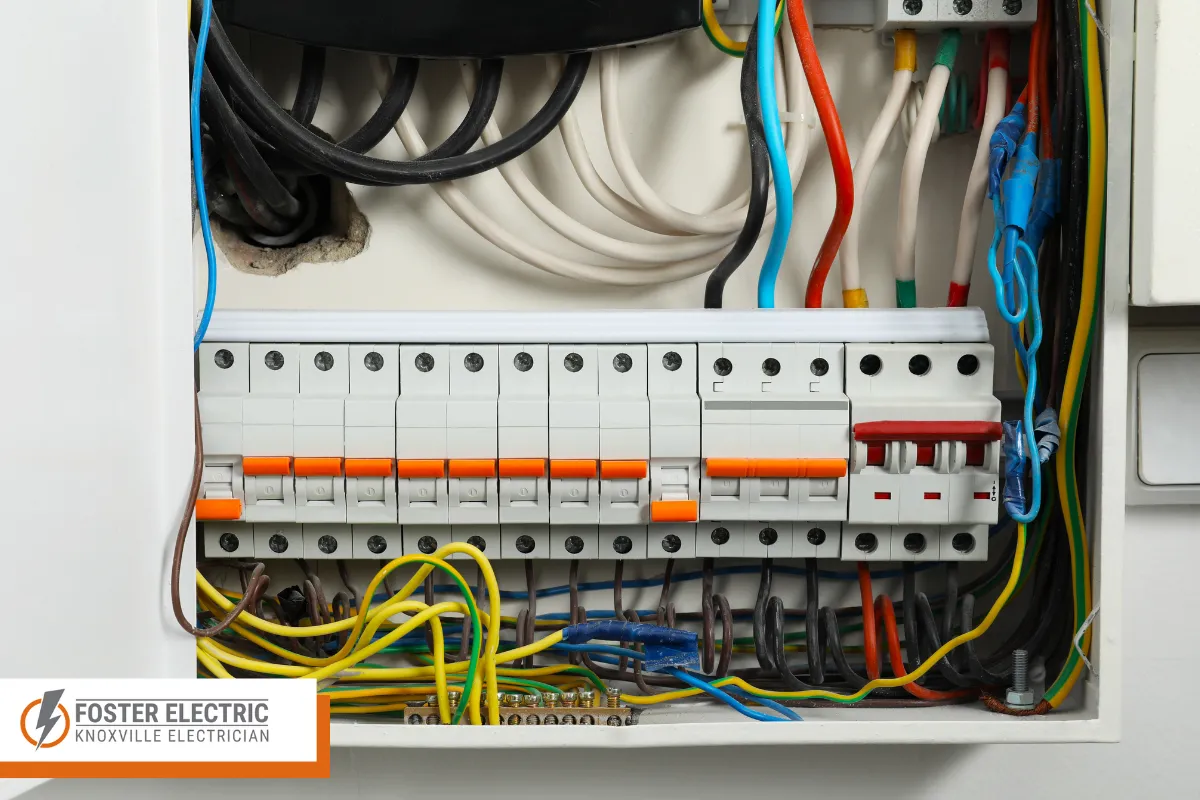
A professional inspection combines safety checks, code evaluation, and load assessment tailored to the jurisdiction’s adopted standards. Knoxville adheres to the National Electrical Code with local amendments for electrical safety, having adopted the 2023 edition of the NEC along with city-specific provisions.
Here is what homeowners can expect during a typical visit:
- The electrician begins by asking the homeowner about symptoms, history, and any recent changes to the home. Details like past tripping patterns, recent appliance additions, and known storm damage help focus the evaluation.
- With appropriate safety precautions, the electrician de-energizes sections as needed and removes the front cover to visually inspect breakers, bus bars, wiring methods, and insulation condition.
- The inspection covers correct breaker sizing, signs of overheating, tightness of all terminations, proper neutral and ground separation, and grounding integrity. They review whether circuit labeling matches actual outlets and loads.
- A load calculation determines whether the existing service can support current and planned appliances, an EV charger, or future remodeling without pushing the panel beyond safe capacity. Local electricians in Knoxville provide code compliance checks as part of this process.
- The homeowner receives a clear explanation of findings, photos when appropriate, any code-related concerns, and recommended repairs, upgrades, or reinspection intervals.
Most residential inspections take roughly forty-five to ninety minutes depending on house size and system complexity, plus additional time to discuss results and next steps.
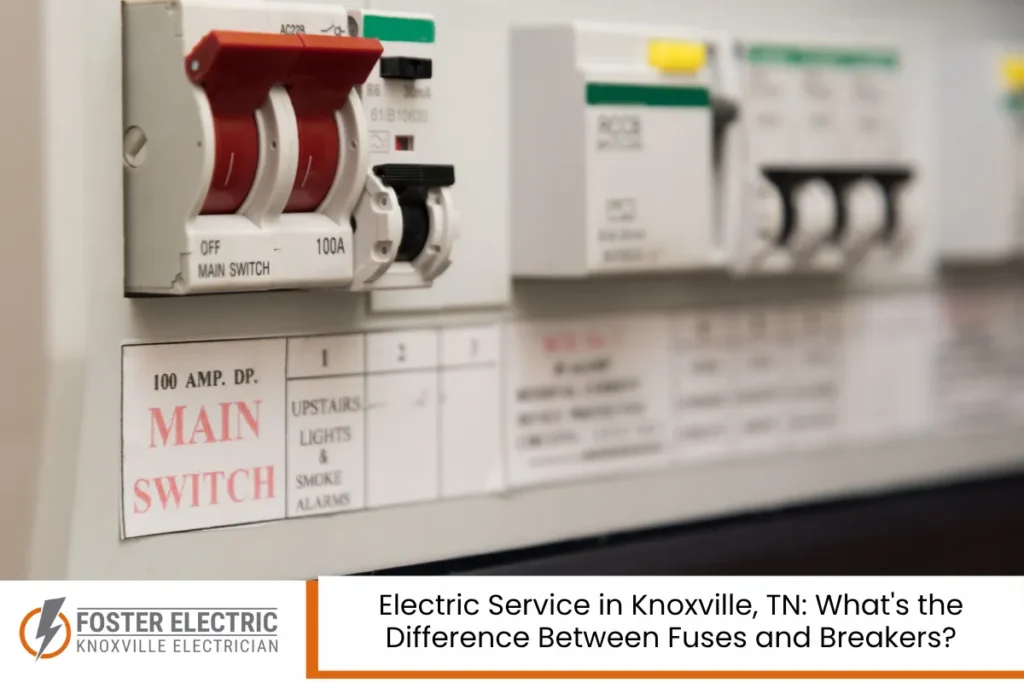
Read Electric Service in Knoxville, TN: What’s the Difference Between Fuses and Breakers?
Repair, Upgrade, or Replace: Making the Right Call for Your Home
Deciding between a minor repair and a full panel upgrade depends on the age of the equipment, its current condition, identified safety risks, and your long-term plan for the house.
Targeted repairs make sense when the damage is limited:
- A few weak or worn breakers that can be replaced with matching, currently manufactured units
- Isolated loose connections that a contractor can re-torque
- Minor surface corrosion that can be cleaned without compromising structural integrity
Replacement is the better choice when problems are widespread:
- Extensive rust, heat damage, or arcing evidence across multiple bus connections
- Frequent problems across several circuits
- Panels with Federal Pacific Electric or Zinsco breakers, which have a high failure rate and should be replaced
- Equipment that lacks capacity for modern loads such as EV chargers and high-efficiency HVAC systems
- A 100-amp panel that is often inadequate for modern homes with contemporary electrical demands
Upgrading to a 200-amp panel is a common residential upgrade, especially when homeowners plan additions, workshops, or high-usage kitchens. The cost for a full replacement typically falls in the range of fifteen hundred to four thousand dollars depending on service size, location, labor, and permit fees.
Tennessee requires permits for most electrical panel repairs, and local regulations require electrical permits for inspection and upgrades in Knoxville. These should always be handled by a properly licensed electrical contractor who coordinates permit submission and scheduling with the local authority having jurisdiction. Cutting corners on permits can create problems with insurance, resale, and safety down the line.
Planning for Future Loads: EV Chargers, Remodels, and Nearby Communities Like Lenoir City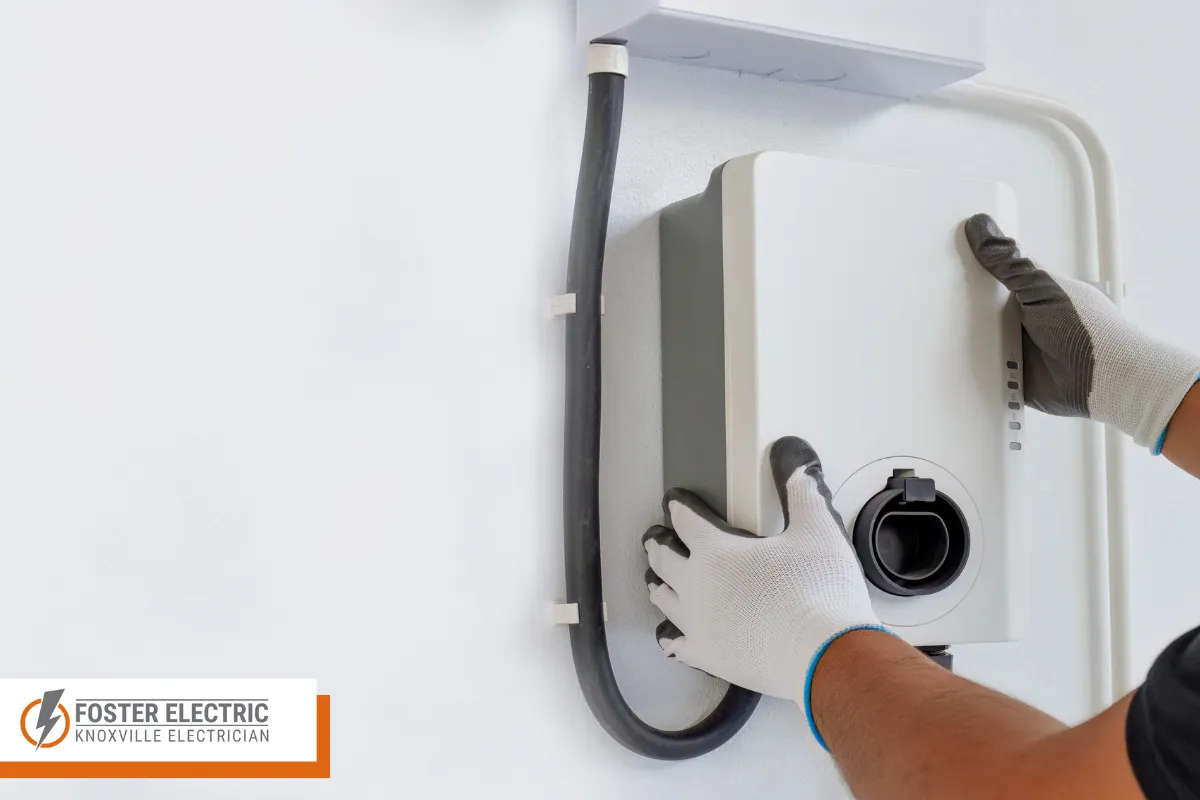
Inspecting your electrical panel is not only about fixing current problems. It is also about planning for future energy use in Knoxville and nearby areas such as Lenoir City and Oak Ridge, a community with deep roots in atomic energy research and a population that has increasingly embraced modern residential electrical demands.
Level 2 EV chargers typically require a dedicated 240-volt circuit, and the continuous draw of thirty to fifty amps can push an undersized panel to its limits. In many cases, installing an EV charger triggers the need for a panel upgrade, a subpanel addition, or a full service entrance upgrade.
Other projects that add significant load include:
- Kitchen remodels with induction ranges and double ovens
- Basement finishes with dedicated circuits for lighting, outlets, and entertainment systems
- Detached garage or workshop construction with independent power feeds
- Outdoor living spaces with lighting, heating, and commercial-grade cooking equipment
Proactive panel inspections before these projects help avoid surprises, change orders, and delays caused by last-minute service upgrades. In most jurisdictions, including Knoxville, a permit is required before installing high-draw equipment, and the permitting process includes a review of existing panel capacity and available space.
The best approach is to discuss your long-term plan with your electrician during every inspection. When your contractor understands your budget and future goals, any recommended work today can be designed to support future additions without redoing major components later.
Practical Safety Tips for Homeowners Between Professional Inspections
While only professionals should work inside panels, homeowners can take smart steps to monitor safety between formal inspections. Visual self-checks of the electrical panel should be performed annually, and they take just a few minutes.
Here is a simple annual checklist:
- Look at the outer door and covers for rust, dents, or moisture staining
- Listen near the panel for any buzzing or humming
- Gently touch the panel cover to confirm it is not unusually hot
- Verify that all breakers remain properly labeled and that the directory matches your home layout
- Homeowners should conduct visual checks for rust and other signs of wear on their panels at least once a year
Additional habits that stand between your family and preventable electrical problems:
- Avoid overloading power strips and extension cords with high-draw appliances
- Do not run major appliances on the same small circuit simultaneously
- Promptly address any outlets or switches that feel warm, loose, or discolored
- Test ground-fault and arc-fault protective devices according to manufacturer instructions to help ensure proven reliability of your overcurrent protection system
Any sign of a burning smell, repeated tripping, or visible damage warrants stopping use of affected circuits and calling a licensed electrician as soon as possible. A small investment in attention today can prevent a far larger and more dangerous job tomorrow.
Electric Service in Knoxville, TN – Foster Electric
We are Foster Electric, and we have built our reputation on delivering safe, code-compliant electric service to homeowners across Knoxville, Tennessee and the prominent surrounding areas. Our licensed electricians specialize in electrical panel inspections, repairs, and upgrades, whether you are planning a remodel, installing an EV charger, or simply want the peace of mind that comes from knowing your home is safe.
We believe in clear communication. When we inspect your panel, we explain our findings in plain language, make safety items a priority, and help you plan phased improvements that fit your budget and schedule. We handle all permits and coordinate with local inspectors so nothing falls through the cracks.
Call us at (865) 246-7037 or fill out our online contact form to schedule a panel inspection or discuss any concerns about your electrical system. Our team understands Knoxville-area conditions, permitting requirements, and the best practices that keep homes safe and ready for whatever you plug in next.
Frequently Asked Questions
Should I Get an Electrical Panel Inspection Before Buying or Selling a Home?
Yes. Inspection is recommended after major life events like buying or selling a home. A general home inspection provides a surface-level look at electrical components, but a dedicated panel inspection by a licensed electrician goes deeper. The electrician will open the panel, check for outdated or recalled equipment, evaluate capacity relative to the home’s actual load, and identify any code violations that could affect the sale price or require negotiation. For sellers, having recent inspection data available can speed up the transaction and reduce last-minute renegotiations. For buyers, the inspection helps you understand what to expect in terms of near-term upgrades, especially if the house has older wiring or a panel that has been replaced or modified over the years.
Is a Whole-House Surge Protector Worth Adding During a Panel Visit?
Absolutely. Knoxville’s storm season brings frequent lightning activity and utility switching events that produce voltage spikes capable of damaging sensitive electronics and modern appliances. A whole-house surge protective device installed at the panel provides a first line of defense by diverting excess voltage to ground before it reaches your circuits. It works alongside the plug-in surge strips you may already use at individual outlets, offering layered protection. Adding one during a panel inspection or upgrade is cost-effective because the electrician already has the panel open and can install the device without a separate service call. Most quality units cost between one hundred and three hundred dollars plus labor.
Can My Panel Be Overloaded Even if Breakers Are Not Tripping?
Yes, and this is a common misconception. Breakers are designed to trip when current exceeds their rated capacity, but several conditions can mask an overloaded system. Circuits running at or just below the breaker rating for extended periods generate excess heat without ever triggering a trip. Improperly sized breakers, where someone installed a larger breaker than the wiring supports, will allow dangerous current levels to flow continuously. Shared circuits carrying more devices than intended may also operate in an overloaded state. A load calculation performed by a qualified electrician is the only reliable way to review whether your system is within safe limits. Lack of tripping does not always mean the installation is safely sized or code-compliant.
Will My Insurance Company Care About an Older Electrical Panel?
Many insurers review electrical details during underwriting. They may ask about fuse boxes, panel age, and the presence of specific brands like Federal Pacific. Some carriers require that outdated or recalled panels be replaced as a condition of issuing new coverage or renewing an existing policy. Failing to disclose known panel deficiencies can result in denied claims after a loss. If your insurer requests documentation about your electrical system, a recent professional inspection report can provide the data they need. Upgrading an aging or undersized panel not only improves safety but can also help you maintain favorable insurance terms and avoid coverage gaps that leave your family and property exposed.
How Should I Prepare My Home Before the Electrician Arrives for a Panel Inspection?
Start by clearing the area around your panel. Remove any storage boxes, shelving, or clutter that blocks access. Code requires a minimum of thirty-six inches of clear workspace in front of the panel, so make sure nothing is stacked against it. If the panel is in your garage, move vehicles and equipment out of the way. Gather any available data about your home’s electrical history, including past inspection reports, known repairs, and a list of recently added appliances or circuits. Label any breakers you know and note which ones seem to trip frequently. Expect the inspection to take roughly forty-five to ninety minutes, so plan accordingly.
Disclaimer
This article provides general educational guidance about electrical panel inspections in Knoxville, Tennessee. It is not a substitute for on-site evaluation, legal advice, or specific code interpretation from a licensed professional.
Read How Electricians Plan Wiring Layouts for Safe Electric Service in Knoxville, TN