
Your electric service is only as reliable as the circuits delivering power throughout your home. If breakers keep tripping, outlets feel warm, or lights flicker every time you turn on an appliance, there is a good chance you are dealing with an overloaded circuit. This is not just an inconvenience. Left unchecked, it becomes a fire hazard that puts your family and property at risk. Thousands of residential fires each year trace back to electrical failures, and overloads are one of the most preventable causes. So how do professionals actually diagnose and resolve these problems? This guide walks through exactly what a licensed electrician does to identify, repair, and prevent circuit overloads in Knoxville homes, and why getting it right matters more than most homeowners realize.
Key Takeaways
- Electricians fix an overloaded circuit by diagnosing the affected circuit breaker, reducing the electrical load, repairing faulty wiring or devices, and upgrading circuits or electrical panels as needed.
- Key warning signs include frequent breaker trips, flickering lights, warm outlets, buzzing sounds, and burning smells that signal overloaded circuits in Knoxville homes.
- Licensed electricians in Knoxville must follow the National Electrical Code as adopted locally and obtain required permits for panel and circuit upgrades.
- Homeowners should avoid DIY panel work and call a qualified electrician for recurring circuit overload problems to protect their house and family.
Why Overloaded Circuits Are a Serious Risk in Knoxville Homes
Every home depends on properly balanced branch circuits to deliver power safely from the main panel to outlets, lights, switches, and hardwired appliances. When too many devices draw power from one circuit, the current flowing through those wires exceeds what the conductors and protective devices were designed to handle. That is a circuit overload, and the circuit breaker is supposed to trip before the wires overheat. When it works correctly, that trip is a safety feature. When it happens repeatedly or gets ignored, the consequences escalate.
An overloaded circuit occurs when the electrical load on a branch exceeds its amp rating. Most residential branch circuits in Knoxville are rated at either 15 or 20 amps. A standard 15-amp, 120-volt circuit can safely carry about 1,800 watts on a continuous basis, while a 20-amp circuit handles roughly 2,400 watts. Older wiring systems may not support modern appliances and the power demands that come with them, especially in homes built before the 1990s where electrical panels often have fewer circuits and lower total service capacity.
Repeated overloads increase the risk of insulation damage on wiring hidden inside walls, which can eventually lead to arcing and fire. National data from the NFPA shows an annual average of approximately 46,652 residential structure fires caused by electrical failures or malfunctions, resulting in roughly 527 deaths, 1,580 injuries, and $2.4 billion in property damage each year. Ignoring or bypassing overload conditions may also violate applicable electrical codes. A licensed electrician or electrical contractor in Knoxville plays a critical role in inspecting the electrical system, confirming what is causing breaker trips, and implementing corrections that meet current code requirements.
How Electricians Define and Diagnose an Overloaded Circuit
From a professional perspective, a circuit overload is distinct from a short circuit or a ground fault. A short circuit occurs when current follows an unintended path due to damaged wiring or a faulty connection, typically causing an immediate and forceful breaker trip. A ground fault involves current leaking to a grounded surface, which triggers GFCI protection. An overloaded circuit, by contrast, means the conductor is carrying current above its rated ampacity for long enough to cause overheating, but the current is still following the intended path through the wiring and devices.
When an electrician arrives at a Knoxville home to investigate, the diagnostic process typically unfolds like this:
- The electrician asks questions about what was running when the breaker tripped. Common culprits include space heaters, window air conditioners, hair dryers, microwaves, and portable workshop tools. This narrows down which appliances are stressing the circuit.
- They examine the electrical panel directory and check breaker positions to identify which branch circuit is involved. If no directory exists, they may use plug-in testers or follow the wiring to map which outlets and lights are connected to that breaker.
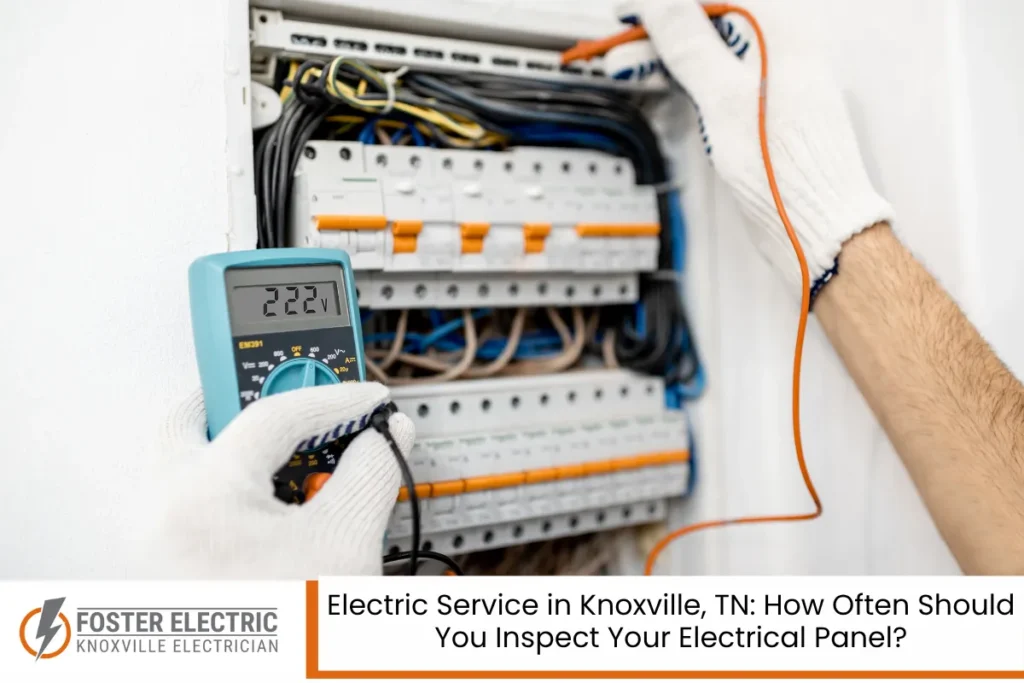
- Using a clamp meter, the electrician measures the actual current draw under normal operating conditions and compares it to the circuit capacity. Electricians typically perform load calculations to assess circuit demand and confirm whether the branch is routinely exceeding safe limits.
- They also look for issues that can mimic an overloaded circuit, including loose terminations at outlet or switch terminals, damaged receptacles with burn marks, or backstabbed wires that create higher resistance and heat. Signs of arcing in junction boxes may point to a separate wiring fault rather than a simple overload.
If multiple rooms go dark together when a single breaker trips, this often signals that several outlets and lights share the same circuit. In older Knoxville homes, it is common for general-purpose circuits to serve more rooms than modern standards would allow, making it easier for normal usage combined with power strips to exceed the breaker’s capacity.
Warning Signs Knoxville Electricians Look For Before Repair
Recognizing warning signs early helps prevent electrical fires and protects the home’s entire electrical system. Many homeowners notice these symptoms before calling a professional, and a qualified electrician will confirm and investigate each one during an inspection.
Key warning signs of an overloaded circuit include:
- Frequent circuit breaker trips when certain devices start up or run simultaneously. This is one of the most common signs of an overloaded circuit, and it signals that current on that branch is routinely exceeding safe limits.
- Flickering lights indicate an overloaded circuit, especially when dimming lights occur as multiple devices draw too much power on the same branch. This is particularly noticeable when air conditioners, dryers, or large kitchen appliances cycle on.
- Unusual heat from outlets indicates potential overload. Outlets or switches that feel warm to the touch suggest excessive current flow or a connection issue behind the cover plate.
- Buzzing sounds from outlets or the panel suggest electrical strain. A persistent hum or vibration often accompanies loose connections or overtaxed wiring.
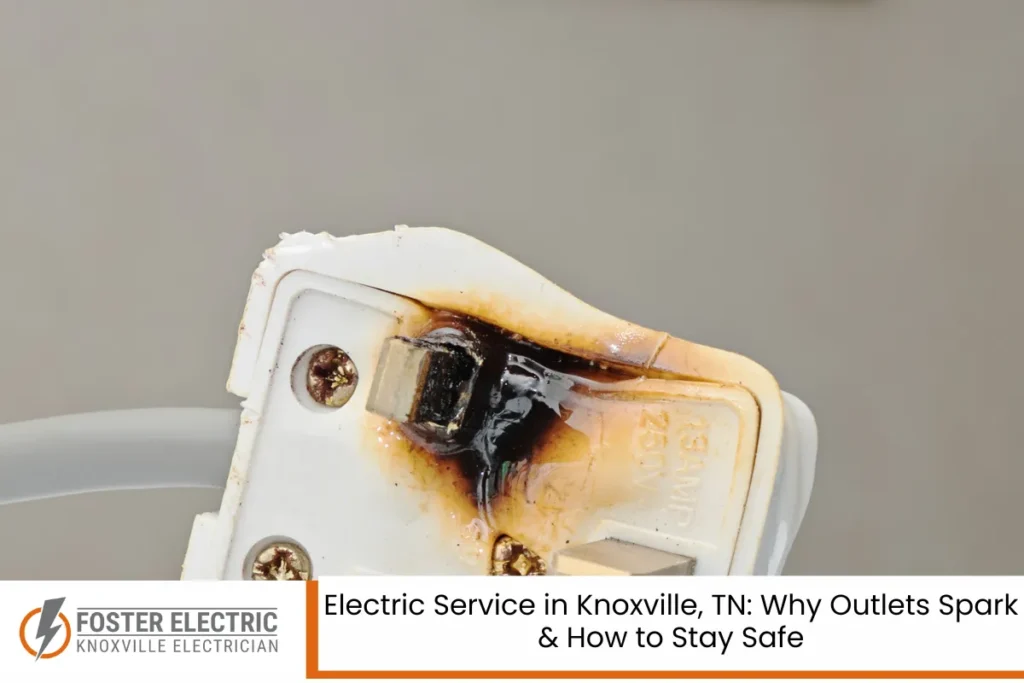
- Scorching, discoloration on outlet cover plates, or a persistent burning or hot plastic odor near receptacles. Signs of wiring damage include melted insulation and overheating outlets, both of which require immediate attention.
Plugging multiple high-demand appliances into one outlet causes overloads, and using multiple power strips, especially daisy-chained together, is a strong clue to professionals that a branch circuit is routinely pushed beyond its safe electrical load. Electricians also watch for tripped GFCI or AFCI devices, which may indicate a ground fault condition or arcing in addition to a simple overload.
If there is smoke, sparks, or a strong burning smell coming from any outlet, switch, or the panel itself, Knoxville residents should shut off and avoid using that circuit immediately and consult a licensed electrician. Do not attempt to reset the breaker or continue using the circuit if any of these conditions are present.
Read Can Electricians Repair Underground Wiring?
Step-by-Step: How Electricians Fix Overloaded Circuits in Knoxville
While homeowners can safely unplug devices and reset a breaker once as a temporary measure, only a qualified electrician should work inside electrical panels or rewire overloaded circuits. Working with live electrical components without proper training and tools creates serious risk of shock, burns, or worse.
Here is how the repair process typically works:
- The electrician starts at the main electrical panel. They identify the tripped circuit breaker, verify its amperage rating, and confirm that the breaker size matches the wire gauge per NEC standards and local Knoxville requirements. For example, a 15-amp breaker must be paired with 14 AWG copper wire, while a 20-amp breaker requires 12 AWG copper. Mismatches are a code violation and a safety concern.
- Electricians will inspect panels for damage and test circuit operation, checking for signs of overheating, corrosion, or outdated equipment. Panels from certain legacy manufacturers have a documented history of breaker failure, and replacement is often recommended.
- The electrician maps the circuit by testing which outlets, lights, and hardwired loads go dead when that breaker is off, creating or updating a circuit directory for the homeowner. This step is essential because many older Knoxville homes lack accurate panel labeling.
- With typical appliances running, the electrician measures actual current draw using a clamp meter. They compare the measured load against the safe continuous load limit, which is typically 80 percent of the breaker’s rating. For a 15-amp breaker, that means no more than 12 amps continuously.
- On the overloaded circuit, the electrician inspects outlets and junction boxes for loose connections, backstabbed receptacles, damaged insulation, or improper splices that could worsen heat buildup. These conditions accelerate wear and increase the chance of arcing.
- If a single faulty appliance or tool is responsible, such as a failing space heater pulling excessive current, the electrician will recommend repair or replacement of that device rather than rewiring the whole circuit. Identifying the root cause saves time and money.
As initial steps before the electrician arrives, homeowners should turn off the overloaded circuit at the breaker panel, unplug all devices from the overloaded circuit, and then reset the circuit breaker after removing the load. If the breaker trips again with nothing connected, the problem is likely in the wiring itself and requires professional diagnosis.
Common Fixes Electricians Use to Relieve Circuit Overload
Long-term solutions focus on redistributing demand, improving wiring, and upgrading capacity instead of simply resetting the breaker every time it trips. Reducing the electrical load can sometimes solve overload issues, but when the root cause is infrastructure, more substantial work is needed.
- One of the simplest professional fixes is to relocate certain receptacles or loads to a different, underutilized circuit where it is safe and code-compliant to do so. This is often the fastest and least invasive option when spare circuit capacity exists.
- Electricians may install dedicated circuits for high-draw appliances such as window air conditioners, microwave ovens, space heaters, home office equipment, or workshop tools. A new circuit with its own breaker and properly sized wiring eliminates the competition for amperage that causes overloads on general-purpose branches. Installing dedicated circuits for high-demand appliances is one of the most effective long-term fixes.
- In homes with outdated fuse boxes or undersized electrical panels, the contractor may recommend a panel upgrade to add more circuit spaces and increase available capacity while meeting modern safety requirements. Upgrading the electrical panel can provide additional capacity for modern demands, including electric vehicle chargers and high-efficiency HVAC systems. These projects typically take between four and eight hours depending on the scope.
- Professionals may also upgrade outdated wiring to handle modern electrical demands, replacing undersized conductors, damaged sections, or legacy wiring materials that degrade over time. This is especially relevant in Knoxville homes with older infrastructure.
- Worn or damaged outlets get replaced with tamper-resistant receptacles, and GFCI or AFCI protection is installed in locations required by current code. These protective devices help reduce the risk of ground fault or arc-related hazards, adding an important layer of safety.
- Electricians also educate homeowners on safe use of power strips, advising against plugging multiple heat-producing appliances into a single outlet and encouraging balanced use across multiple circuits. Distributing high-energy appliances across different circuits is a simple habit that prevents most nuisance trips.
Local Considerations: Knoxville Utilities Board, Codes, and Safety
Local infrastructure and regulations directly shape how overloaded circuits are handled for Knoxville residents. Understanding these factors helps homeowners make informed decisions and avoid costly mistakes.
The Knoxville Utilities Board supplies electric power to homes throughout the service area, while licensed electricians are responsible for safely distributing that power inside the house through code-compliant wiring and electrical panels. When a service upgrade or meter base replacement is needed, coordination between the electrician and the utility is required.
Electricians in Knoxville follow the National Electrical Code as adopted by local authorities. Electrical installations in Knoxville must comply with the National Electrical Code as adopted and enforced statewide in Tennessee, with local permits and plan reviews managed through the City of Knoxville’s Department of Plans Review and Inspections. Any electrical contractor performing panel upgrades, adding circuits, or replacing service equipment must obtain permits through the City of Knoxville’s Department of Plans Review and Inspections. Work must be inspected and approved before it is concealed behind walls or ceilings.
- Working inside a live panel is dangerous. Knoxville-area homeowners should never attempt DIY panel modifications intended to stop circuit overloads, such as swapping in a larger breaker on existing wiring. A 20-amp breaker on 14 AWG wire does not fix the overload. It removes the protection and creates a fire hazard.
- When recurring overloaded circuits are a priority concern, the safest position is to contact a licensed electrician who understands local inspection requirements and can coordinate with the Knoxville Utilities Board when service changes are needed.
- Regular professional electrical inspections, especially in older homes throughout Knoxville, can identify overloaded circuits, aluminum wiring concerns, or outdated equipment before problems escalate into outage situations or safety emergencies.
Practical Tips to Prevent Future Circuit Overload in Your Home
Simple daily habits combined with periodic professional maintenance can dramatically reduce overloaded circuits and nuisance breaker trips. Most overloads are preventable with awareness and a few adjustments.
- Spread high-power devices across multiple circuits. Run space heaters, hair dryers, toasters, and irons in different rooms rather than plugging them into one outlet or loading a single room with heat-producing appliances.
- Check the wattage or amperage ratings on major appliances and compare them to the typical capacity of your branch circuits. If a single device exceeds the limits of the circuit it is connected to, it needs its own dedicated line. Being unsure about the math is a good reason to consult a professional.
- Avoid daisy-chaining extension cords to prevent overloads. Limiting the use of extension cords and avoiding stacking multiple power strips in series keeps the electrical load within safe limits and reduces the chance of tripping breakers.
- Use surge protectors to limit electricity flow from voltage spikes, but understand that surge protectors do not increase circuit capacity. They protect devices, not wiring.
- Consider an electrical audit or load calculation by a professional to determine whether additional circuits or an upgraded electrical service are appropriate for home offices, electric vehicle chargers, or workshops. This is especially valuable if your house was built with a 100-amp panel and your power requirements have grown.
- Any persistent warning signs, including frequent trips, warm outlets, buzzing, or burning smells, should prompt an immediate call to a trusted electrician before damage or fire occurs. Do not leave a comment on a forum and wait for advice when safety is at stake. Pick up the phone and get a professional to your home.
Electric Service in Knoxville, TN – Foster Electric
At Foster Electric, we know that dealing with an overloaded circuit is stressful, and our goal is to make the process as straightforward as possible. We are a trusted Knoxville company specializing in diagnosing tripping breakers, overloaded circuits, and outdated electrical panels. Our licensed electricians deliver code-compliant repairs and upgrades that give you real peace of mind about your home’s safety.
We respond quickly to urgent problems like repeated breaker trips, hot outlets, and flickering lights. When we arrive, we provide clear explanations and upfront options, whether the fix involves a simple circuit repair, a new dedicated line, or a full panel upgrade. We believe every user of our service deserves honest answers and professional results.
Call Foster Electric at (865) 246-7037 or fill out our online contact form to schedule a professional inspection. We will create a customized plan to protect your home and family from electrical hazards. We proudly serve Knoxville, TN and prominent surrounding areas with dependable electrical service for everything from minor troubleshooting to whole-home upgrades.
Frequently Asked Questions
The following questions address common concerns about overloaded circuits and professional repair in Knoxville that were not fully covered in the sections above.
Is It Safe to Reset a Tripped Circuit Breaker, and How Many Times Should I Try?
It is generally safe to reset a tripped circuit breaker once after you have turned off or unplugged the devices that were running when it tripped. If the breaker holds after the reset with reduced load, you can gradually reconnect devices to identify which one is causing the overload. However, if the breaker trips again immediately or within a few minutes with nothing plugged in, there may be a wiring fault rather than a simple overload. Repeatedly forcing a breaker back on without investigating the cause can overheat wiring and damage insulation. At that point, stop resetting and call a qualified electrician to inspect the circuit and panel before using it again.
How Long Does It Take a Professional to Diagnose and Fix an Overloaded Circuit?
The timeline depends on the complexity of the problem. A straightforward diagnosis, including mapping the circuit, measuring current draw, and identifying the overloaded branch, can take one to two hours. Fixing a single faulty receptacle or redistributing load to another circuit may add minimal time. However, if the solution requires running a new circuit from the panel, replacing damaged wiring, or performing a panel upgrade, the work can take four to eight hours or longer. Before the electrician arrives, make sure the panel has clear access and note which devices were running when the breaker tripped. Having this information ready helps the electrician work more efficiently and keeps costs down.
Can Surge Protectors and Power Strips Actually Prevent Circuit Overload?
No. Surge protectors and power strips serve different purposes than overload prevention. A surge protector guards your electronics against sudden voltage spikes caused by lightning or grid fluctuations, but it does not reduce or manage the total current flowing through the circuit. A standard power strip simply provides more outlet positions without adding any capacity. In fact, plugging too many devices into a power strip on the same circuit increases the likelihood of an overload because you are drawing more current through the same branch wiring. The only real solutions for overloads are redistributing load across different circuits, adding dedicated circuits, or upgrading wiring and panel capacity.
How Often Should Knoxville Homeowners in Older Houses Schedule Electrical Inspections?
For homes built before the 1990s, a professional electrical inspection every three to five years is a reasonable guideline, particularly if you have noticed any warning signs like occasional breaker trips or dimming lights. If you are adding significant new loads, such as a home office, workshop, or electric vehicle charger, an inspection and load calculation should happen before that equipment is installed. Homes with original wiring, legacy panel brands, or aluminum branch circuit wiring may benefit from more frequent evaluation. These inspections help identify problems like loose connections, degraded insulation, or circuits that exceed safe load limits before they create a dangerous situation.
Can Smart Plugs or Home Energy Monitors Help Track Load and Prevent Overloads?
Smart plugs and home energy monitors can be useful tools for understanding how much power individual devices or circuits are consuming. Some models display real-time wattage and send alerts when consumption exceeds a threshold you set, which helps you identify when a circuit is approaching its limits. However, these devices monitor and report. They do not physically increase circuit capacity or prevent wiring from overheating. Think of them as early warning systems rather than solutions. If a monitor consistently shows a circuit running near its rated load, that data is valuable information to share with your electrician, who can then recommend whether you need a dedicated circuit, load redistribution, or a panel upgrade to match your actual demand.
Disclaimer: This article provides general educational information about overloaded circuits and is not a substitute for professional electrical diagnosis or repair. Always consult a licensed electrician in Knoxville, TN for specific concerns about your home’s wiring, panel, or electrical system.
Read Electric Service in Knoxville, TN: How Often Should You Inspect Your Electrical Panel?