
Electrical Problems and the Mystery of Short Circuits
Electric service issues can strike without warning, leaving Knoxville homeowners staring at a tripped breaker, catching a burning smell, or wondering why an outlet suddenly stopped working. These moments create real anxiety—especially when you suspect a short circuit lurking somewhere in your walls. Ignored or misdiagnosed shorts can lead to electrical fires, damaged appliances, and costly code violations that put your entire household at risk.
The solution lies in professional expertise. Licensed electricians and electrical contractors use systematic diagnostic methods and specialized tools to find short circuits safely and accurately. This article explains exactly what short circuits are, how professionals track them down, what local codes require, and when you should pick up the phone for professional electrical service.
Key Takeaways
- Electric service safety in Knoxville depends on licensed electricians using systematic testing and specialized equipment to locate short circuits accurately and efficiently.
- True short circuits typically cause instantly tripped breakers, burning smells, or noticeable heat at outlets—symptoms that demand quick professional attention.
- Electricians follow the National Electrical Code as adopted locally when troubleshooting and repairing faults, ensuring work meets current safety standards.
- Homeowners should shut off power at the main disconnect and contact a qualified electrical contractor rather than attempting complex wiring repairs themselves.
- Prevention through regular inspections and proper installation reduces the likelihood of dangerous shorts in your home’s electrical system.
What a Short Circuit Really Is in a Knoxville Home
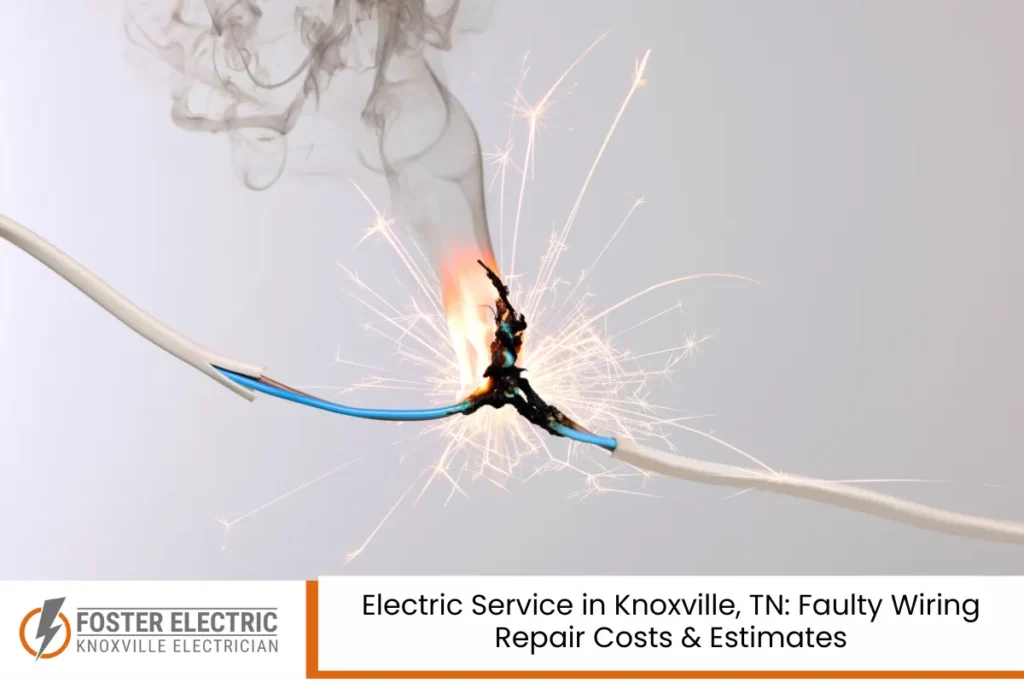
A short circuit occurs when an unintended low-resistance path forms between conductors at different electrical potentials. In residential settings, this typically means hot-to-neutral or hot-to-ground contact. When this happens, current flow spikes dramatically—sometimes to thousands of amps—far exceeding what the circuit is designed to handle.
Understanding the distinction between different electrical faults matters. An overload involves excessive but sustained current from too many appliances on one circuit. A ground fault happens when current leaks to ground through an unintended path. Electrical troubleshooting often involves checking for loose connections, damaged wires, and faulty devices to ensure the safety and functionality of the electrical system. A short circuit creates an instantaneous surge that triggers overcurrent protection within milliseconds.
Circuit breakers and fuses serve as the first line of defense. Licensed electricians are required to follow the National Electrical Code along with state and local regulations to ensure safety and proper installation. When functioning correctly, these protective devices disconnect power before wiring overheats and causes fires.
Common causes of short circuits include:
- Damaged or deteriorated wire insulation from age
- Loose electrical connections that create heat and arcing
- Rodent-chewed cables exposing conductors
- Improperly installed wiring or pinched conductors behind walls
- Water intrusion from roof leaks or humidity
- Failed backstab connections at receptacles
Warning Signs Knoxville Electricians Look For Before Testing
The diagnostic process begins with a visual check for obvious warning signs like burning smells, scorched outlets, or humming sounds from the panel. Experienced electricians know these symptoms point toward specific problem areas and help narrow down troubleshooting immediately.
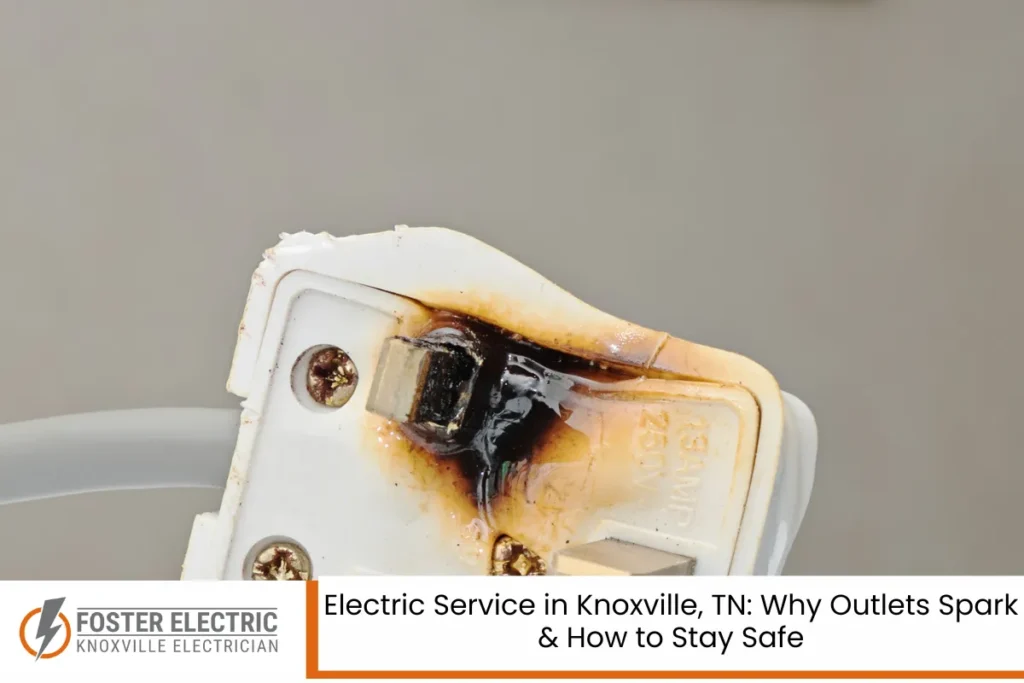
Visual clues often tell the story first. Scorch marks on outlets or switches indicate arcing has occurred. Melted plastic around receptacle faces suggests temperatures exceeded safe limits. Discoloration near panel breakers warns of internal heat damage requiring attention.
Sensory indicators provide additional evidence. Buzzing or crackling sounds near receptacles often signal loose connections vibrating at 60Hz. A burning odor—sometimes described as ozone-like—can indicate corona discharge or smoldering insulation. These symptoms shouldn’t be dismissed as minor annoyances.
Functional symptoms reveal active problems. Electricians diagnose electrical issues by inspecting wiring, testing circuits, evaluating panels, and identifying faulty components that cause problems like flickering lights, tripped breakers, or non-working outlets. Circuits that won’t energize despite reset attempts often indicate persistent faults downstream.
Red flags requiring immediate professional attention:
- Smoke visible near outlets, switches, or the service panel
- Multiple breakers tripping within 24 hours
- Heat felt through outlet covers or switch plates
- Persistent burning odor with no identifiable source
- Breakers that trip the instant they’re reset
- Flickering lights unrelated to appliance startup
Step-by-Step: How Electricians Track Down Short Circuits
Electricians follow a systematic process to diagnose shorting electrical circuits, typically starting at the main service panel and working outward to individual devices. This methodical approach saves time and ensures no fault location gets overlooked.
Safety preparation comes first. To safely find the fault, electricians will de-energize the circuit and isolate it from the rest of the building’s power. Professionals wear appropriate protective gear, verify power status with tested meters, and apply lockout procedures before opening panels. This protects both the electrician and your home from additional damage.
The homeowner interview provides crucial context. When did the problem start? Which breaker keeps tripping? What was plugged in when it happened? Did any recent renovation or construction work occur? These answers help pinpoint likely fault locations and eliminate possibilities efficiently.
Systematic isolation narrows down the fault. Electricians locate the specific circuit breaker that has tripped due to the surge of electricity a short causes. They then disconnect loads, restore power selectively, and monitor results. This divide-and-conquer approach can reduce diagnostic time by 75% compared to random testing.
Circuit labeling often requires correction during this process. Studies suggest roughly half of residential panel directories contain errors. Electricians verify and update labels while troubleshooting to ensure accurate identification for future work and maintenance.
Diagnostic Tools Knoxville Electricians Use to Find Shorts
Professionals use specialized equipment to pinpoint faults that aren’t visible, allowing accurate diagnosis without unnecessary demolition of walls and ceilings. Each tool serves a specific purpose in the diagnostic workflow.
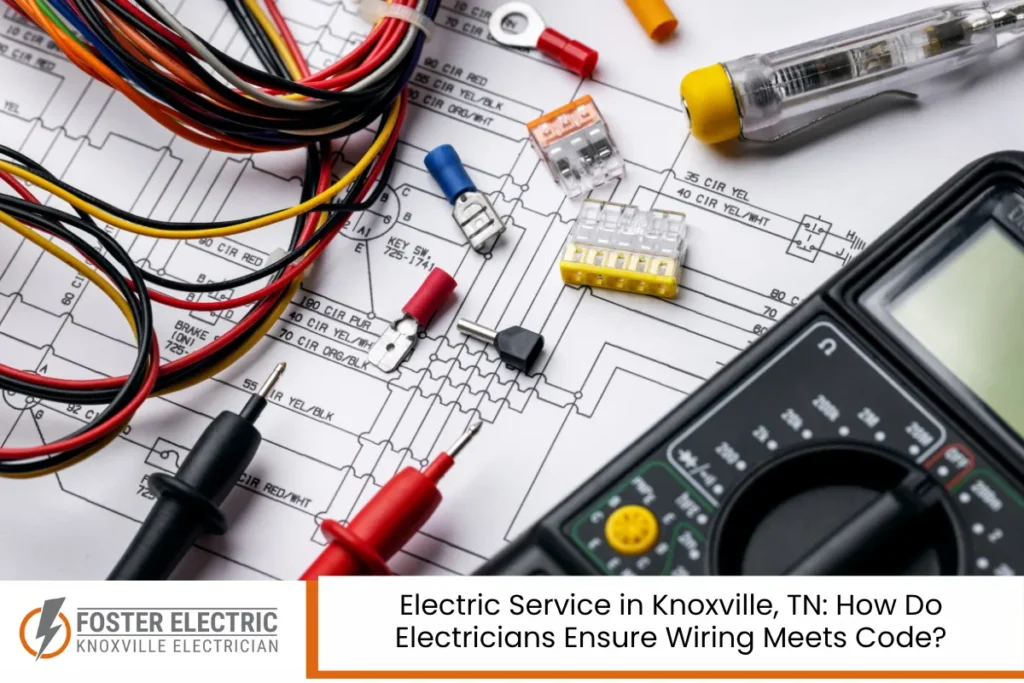
Digital multimeters form the foundation of electrical testing. Multimeter testing is used to check for a path between the hot and neutral or ground wires, where a very low resistance reading indicates a short circuit. These instruments measure continuity, voltage, and resistance with accuracy within 0.5% for reliable results.
Non-contact voltage testers provide quick safety verification. Before touching any conductor, electricians confirm whether circuits are energized or properly de-energized. This simple step prevents dangerous mistakes during troubleshooting.
Clamp meters measure current without breaking the circuit. These tools reveal abnormal current draw that indicates partial shorts or developing faults. True RMS models provide accurate readings even on non-sinusoidal waveforms from modern electronics.
Advanced diagnostic equipment handles complex situations. Licensed electricians use specialized equipment to pinpoint the exact failure point without needing to open up every wall. Electricians might use infrared cameras to detect hot spots caused by excessive resistance before a full short occurs. Circuit tracers emit signals that can be followed through walls to map hidden wiring paths.
Essential diagnostic tools include:
- Digital multimeter for continuity and resistance testing
- Non-contact voltage tester for safety verification
- Clamp meter for current measurement
- Circuit tracer for locating hidden wiring
- Insulation resistance tester for evaluating wire condition
- Thermal imaging camera for identifying hot spots
Inside the Panel: How Electricians Check Breakers and Bus Bars
Only trained professionals should remove panel covers for inspection. The voltages and fault currents present at the service panel can cause serious injury or death. This section explains what electricians examine—not how homeowners should attempt repairs themselves.
Visual inspection reveals many problems immediately. Electricians verify that all internal parts are free of damage or contamination as required by NEC standards. Signs of heat damage, such as blue discoloration on steel components, indicate temperatures exceeded 600°F at some point. White powder on aluminum components suggests corrosion that compromises connections.
Breaker testing distinguishes internal failure from downstream wiring problems. Approximately 10% of breakers fail internally according to manufacturer data. Electricians may swap a suspected breaker with a known-good unit to determine whether the protective device itself has failed or the fault exists in connected wiring.
Knoxville electricians must follow adopted electrical codes and local utility requirements when working around service disconnects. Hiring a licensed electrician ensures compliance with local electrical codes and increases the likelihood of passing inspections by local authorities. Panel modifications typically require permits and inspections from the local authority.
Branch Circuits, Outlets, and Fixtures: Narrowing Down the Fault
Once panel-level testing eliminates the breaker as the problem, electricians move outward to individual circuit components. Electricians may disconnect wiring at various junction boxes or outlets to split the circuit into smaller sections, testing each one individually to narrow down the exact location of the fault.
Initial isolation happens at the breaker. With the load side disconnected, a short-to-ground test determines whether the fault exists in the panel or downstream wiring. A clear reading here means the problem lies further along the circuit path.
Junction boxes and outlet boxes receive careful examination. Electricians look for pinched conductors, failed backstab connections, and loose wirenuts. Backstab-style receptacle connections—where wires push directly into holes rather than wrapping around screws—fail frequently and contribute to many residential shorts.
Common fault locations include:
- Light fixtures with brittle, aged insulation
- Attic junction boxes disturbed by HVAC or insulation work
- Exterior receptacles exposed to moisture infiltration
- Undocumented splices from previous DIY electrical work
Electricians map circuit paths through homes, often discovering additions or modifications made by past owners without permits. This documentation proves valuable for future troubleshooting and upgrades.
Read Electric Service in Knoxville, TN: Can an Electrician Repair Damaged Extension Cords?
Common Knoxville Scenarios That Lead to Short Circuits
Knoxville’s climate, housing stock, and local conditions create specific patterns electricians encounter regularly. Understanding these scenarios helps homeowners recognize potential risks in their own properties.
Storm-related damage affects many homes annually. Roof leaks introduce water into exterior lighting circuits, attic junction boxes, and wall cavities. Tennessee’s humidity accelerates corrosion on exposed conductors, eventually creating short-circuit conditions. Post-storm electrical service calls spike significantly after major weather events.
Pest damage remains prevalent throughout the region. Rodents in crawlspaces and attics chew through cable jackets, exposing conductors that eventually contact each other or grounded surfaces. East Tennessee sees particularly high rates of rodent-related wiring damage due to local wildlife populations.
Remodeling projects create hidden hazards. Fasteners driven through drywall or cabinets occasionally pierce concealed wiring. These punctures may not cause immediate problems but develop into shorts weeks or months later as insulation degrades around the damaged point.
Aging wiring in older Knoxville neighborhoods presents ongoing challenges. Homes built before 1960 often contain cloth-insulated wiring that becomes brittle after decades of use. Combined with higher modern electrical loads from appliances and electronics, this aged infrastructure increases short-circuit risk. A licensed electrician can identify not just the immediate fault but underlying wiring practices requiring correction.
When Short Circuits Demand Immediate Emergency Electric Service
Some situations require immediate action rather than scheduling a convenient appointment. Recognizing emergencies protects your family and property from escalating damage.
Any sign of fire, smoke, or persistent burning odor requires calling emergency services first. Evacuate the home before addressing electrical concerns. Once emergency responders confirm safety, contact a qualified electrical contractor for assessment and repairs.
Certain scenarios demand shutting off power at the main disconnect immediately. Repeated instant tripping despite no loads connected, loud arcing sounds from walls or panels, and visibly melted breaker components all indicate serious faults requiring urgent attention.
Never reset a breaker multiple times hoping it will stay on. Each reset forces current through the fault location, potentially overheating conductors and worsening insulation damage. Heat buildup from repeated cycling can turn a manageable problem into a fire.
Contact an electrician immediately if you experience:
- Visible sparks or smoke from any electrical component
- Burning smell that persists after breakers are off
- Multiple circuits failing simultaneously
- Any electrical issues following flooding or major water intrusion
- Arcing sounds audible through walls or ceilings
Safe Short-Circuit Repairs and Code-Compliance in Knoxville
After the repair, electricians use a multimeter or outlet tester to ensure the voltage is correct and that the short is gone. Proper repairs go beyond simply eliminating the immediate fault—they address underlying conditions that allowed the problem to develop.
Standard repairs include replacing damaged conductors, receptacles, switches, or fixtures with new components listed for the application. Electrical work performed by licensed electricians reduces safety risks, prevents damage, and ensures long-term system reliability for homes and businesses. Quality repairs use materials that meet current standards rather than matching whatever was originally installed.
Upgrading undersized junction boxes, adding proper strain reliefs, and correcting improper splices often accompanies short-circuit repairs. These improvements prevent future problems and bring older installations closer to current code requirements.
Substantial repairs or modifications to fixed wiring require permits and inspections under locally enforced electrical codes. Electrical panel upgrades are often necessary to ensure compliance with current electrical codes and standards, which can vary by location. An outdated electrical panel can lead to safety hazards, including electrical fires and system failures, making upgrades crucial for home safety.
Upgrading an electrical panel is essential for accommodating increased electrical demands from modern appliances and systems in homes. Licensed contractors stay current with National Electrical Code updates to ensure repairs remain safe and legal.
Preventing Future Shorts: Practical Tips for Knoxville Homeowners
Prevention costs far less than emergency repairs. Simple habits and periodic professional attention keep your home’s electrical system functioning safely for decades.
Regular visual checks catch problems early. Inspect power cords for fraying, outlets for discoloration, and plug connections for looseness quarterly. Common electrical issues include flickering lights, tripped circuit breakers, and non-functioning outlets, which can indicate underlying problems that need troubleshooting. Replace any damaged components promptly rather than continuing to use them.
Avoid overloading circuits with multi-tap adapters and daisy-chained power strips. These configurations concentrate current draw at single points, stressing wiring and connections beyond design limits. Dedicated circuits for high-draw appliances provide safer alternatives.
Schedule periodic electrical inspections, especially for older homes or after major renovations. Professional assessments find developing problems before they cause shorts or fires. Inspections typically reveal early signs of deterioration that homeowners cannot detect without specialized tools.
Reliable electrical solutions require professional installation for additions like EV chargers, outdoor lighting, or new circuits. Improper DIY electrical work introduces risks that proper planning eliminates.
Prevention habits that reduce short-circuit risk:
- Inspect cords and outlets quarterly for damage
- Avoid overloading receptacles with multiple adapters
- Schedule professional inspections every 3-5 years
- Use surge protectors on sensitive electronics
- Keep panel areas clear and accessible
- Address tripping breakers promptly rather than ignoring them
- Hire licensed electricians for new installations and electrical projects
How to Choose the Right Electrician in Knoxville for Short-Circuit Issues
Selecting the right professional team ensures quality work and code compliance. Not all electricians offer the same expertise or service quality.
Verify licensing and insurance before authorizing any work. Tennessee requires electricians to hold state licenses demonstrating code knowledge and competency. Insurance protects you from liability if accidents occur during the job. Hiring a licensed electrician in Knoxville is essential for ensuring compliance with local codes and safety standards during electrical work.
Ask about relevant experience beyond basic installations. Troubleshooting short circuits, service upgrades, and complex electrical repairs require different skills than routine fixture replacements. Experienced contractors handle unexpected complications efficiently.
Review customer feedback for patterns in response time, communication quality, and workmanship. Reliable service means showing up when promised and keeping customers informed throughout the project. Look for consistent positive reviews rather than occasional five-star ratings.
Request written estimates that clearly describe the scope of work, materials, and costs. A great company explains findings in terms homeowners understand and presents repair options honestly. Clear communication builds trust and prevents surprises when invoices arrive.
Keeping Your Knoxville Electrical System Safe From Hidden Shorts
Short circuits begin with small problems—damaged insulation, loose connections, or pest damage—that escalate into dangerous faults when left unaddressed. The warning signs discussed throughout this article help homeowners recognize when professional intervention becomes necessary.
Licensed electricians bring systematic diagnostic approaches, specialized tools, and code knowledge that DIY troubleshooting cannot replicate. Their training and expertise transform mysterious electrical problems into identified faults with clear repair paths. Early professional intervention prevents further damage, reduces fire risk, and keeps your entire electrical service operating reliably.
Knoxville residents should prioritize safety over convenience when electrical issues arise. Avoid risky work on energized components and build a relationship with a trusted local electrician before emergencies strike. Regular maintenance and prompt attention to warning signs provide the best protection for your property and family.
If you suspect any kind of electrical fault in your home, schedule a professional assessment today. The cost of an inspection is minimal compared to the risks of ignoring potential hazards.
Electric Service in Knoxville, TN – Foster Electric
When short circuits threaten your home’s safety, you need a professional team that responds quickly and works correctly the first time. At Foster Electric, we provide prompt, code-compliant electrical services for tripping breakers, panel issues, wiring faults, and complete troubleshooting throughout Knoxville and surrounding areas.
Our licensed electricians bring the expertise and specialized equipment needed to locate shorts efficiently and make durable repairs that protect your home and business operations. We handle everything from simple outlet replacements to complex rewiring and electrical panel upgrades, always following local codes and manufacturer requirements.
We believe every customer deserves clear communication, honest assessments, and stress free service experiences. Whether you need emergency repairs or want to schedule a free consultation, our team is ready to help with all your electrical needs.
Contact Foster Electric today at (865) 246-7037 or fill out our online contact form to schedule an inspection. Let us show you why Knoxville homeowners trust us for reliable electrical solutions that keep families safe.
Frequently Asked Questions
How long does it usually take an electrician in Knoxville to find a short circuit?
Simple short circuits involving a failed receptacle or fixture can often be located and repaired within one to two hours of onsite work. The electrician arrives, performs initial testing, identifies the faulty component, and completes the repair efficiently.
More complex faults hidden within walls, ceilings, or underground feeds may require several hours of systematic testing and tracing. These situations demand patience and methodical isolation techniques to avoid unnecessary demolition.
Time requirements depend on home size, wiring age, ease of access to panels and junction boxes, and how consistently symptoms can be reproduced. A thorough electrician prioritizes safety and accuracy over speed, documenting findings and confirming complete resolution before leaving.
Can a short circuit damage my appliances and electronics?
Severe short circuits can cause sudden voltage disturbances that harm sensitive electronics, particularly if quality surge protection isn’t installed. Power supplies in computers, televisions, and smart home devices prove especially vulnerable to voltage irregularities.
Properly functioning breakers and fuses are designed to trip quickly and limit damage by disconnecting power during faults. When protective devices work correctly, most connected equipment survives without problems.
Using quality surge protectors rated for your equipment provides additional protection layers. After any short-circuit event, have an electrician evaluate appliances that behaved strangely before or during the incident. Mention affected devices during your service call so the electrician can check wiring at those specific locations.
Is it safe to keep resetting a tripped breaker if it won’t stay on?
Repeatedly resetting a breaker that trips immediately is not safe and indicates an active short circuit or serious wiring fault requiring professional attention. This common mistake can worsen the underlying problem significantly.
Each reset forces current through the problem area, potentially overheating conductors and damaging insulation further. The heat generated by repeated fault current can turn a repairable situation into a complete rewiring job or worse.
Turn the breaker fully to the off position and leave it there. Contact a licensed electrician to investigate the cause before restoring power. Professionals can determine whether the breaker itself has failed or whether problems exist in connected wiring or equipment.
Do I always need a permit in Knoxville to repair a short circuit?
Minor like-for-like replacement of devices—swapping a damaged receptacle for an identical new one—may not require a permit under current regulations. These simple replacements fall outside the scope of work typically requiring inspection.
Any significant repair involving new wiring, circuit extensions, panel modifications, or work exceeding basic device replacement typically falls under permit and inspection requirements. The threshold varies based on scope and location within the structure.
Consult a licensed electrical contractor familiar with Knoxville’s current regulations who can obtain permits when required. Proper permitting ensures work receives inspection and meets applicable safety codes, protecting both property value and occupant safety long-term.
How often should my home’s electrical system be inspected to prevent shorts?
Many homeowners benefit from a general electrical checkup every three to five years, with older houses or homes experiencing frequent breaker trips warranting more frequent attention. These inspections catch developing problems before they become dangerous.
Professional inspections examine loose connections, deteriorated insulation, overloaded circuits, and outdated components that could eventually cause short circuits. Inspectors also verify panel capacity meets current demand and protective devices function correctly.
Schedule inspections before major renovations, when installing large appliances like water heater units or EV chargers, or after any incident involving smoke or electrical burning odors. A qualified electrician provides prioritized recommendations for repairs or upgrades based on inspection findings.
Disclaimer: This article provides general educational information about electrical systems and short circuits. It does not replace professional electrical advice. Homeowners in Knoxville should consult licensed electricians for inspection, diagnosis, permits, and repairs before acting on any information presented here.
Read Electric Service in Knoxville, TN: How Do Electricians Ensure Wiring Meets Code?